The Three Sources of Heat from the Sun and How XPEL PRIME XR and XR Plus Help Protect Your Car
Certified, Climate Controlled Facility, Trusted
When it comes to keeping your car comfortable and protected from the heat of the sun, understanding where that heat comes from is key. Many people think of sunlight as a single, unified force, but in reality, solar energy is divided into three primary components: UV rays, visible light, and infrared radiation. Each source contributes differently to the overall heat inside your vehicle, and knowing how to combat them can make a big difference in your driving experience.
Let’s take a closer look at each of these heat sources and how window tinting technology from XPEL PRIME XR and XR Plus can help reduce their effects, providing you with a cooler, safer, and more enjoyable ride.
The Three Sources of Heat from the Sun
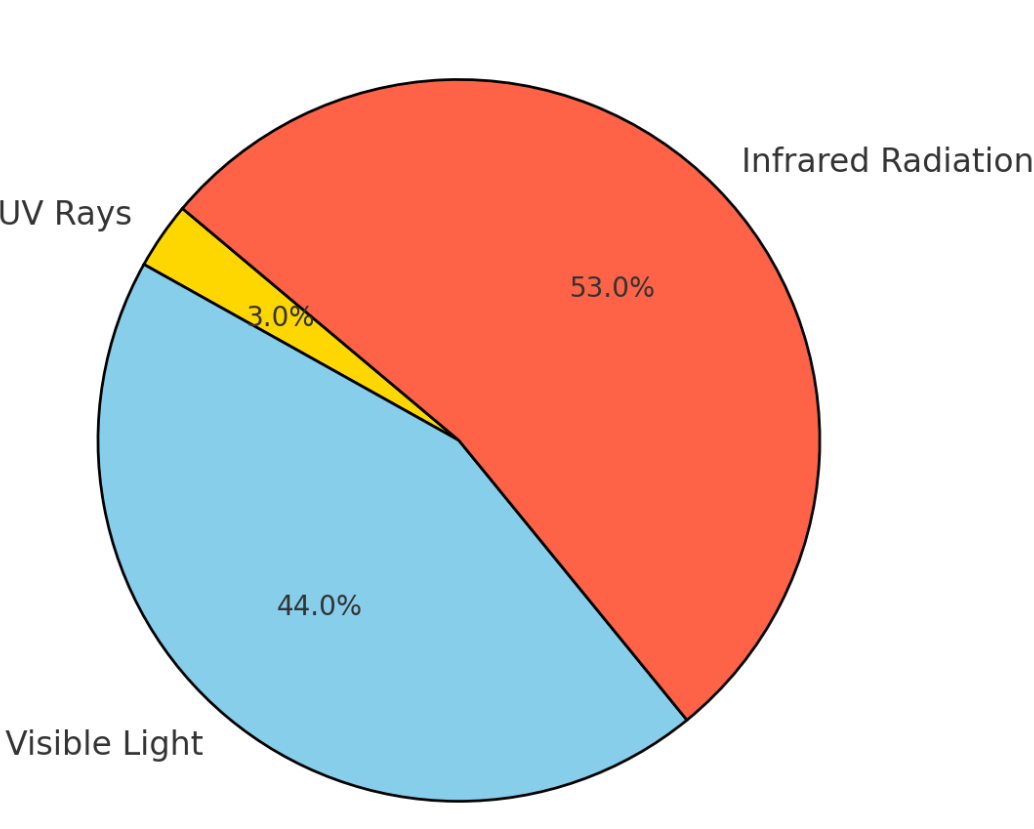
- Ultraviolet (UV) Rays – 3%
- Although they only make up 3% of solar energy, UV rays are incredibly damaging. They can cause skin aging, sunburn, and even increase the risk of skin cancer. UV rays are also responsible for fading and deteriorating the interior surfaces of your vehicle, like the seats, dashboard, and other materials.
- Visible Light – 44%
- Visible light comprises a larger portion of the sun’s energy, around 44%. This is the light that we see and that allows us to perceive colors. Although it’s essential for vision, it also contributes to the heat you feel in your car. The more visible light that enters your vehicle, the warmer it gets.
- Infrared (IR) Radiation – 53%
- Infrared radiation accounts for the largest portion, around 53%, of solar energy. It’s a major contributor to the heat build-up inside your car. Infrared rays are invisible, but we can feel their heat. When infrared energy enters your vehicle, it heats up the interior quickly, making it uncomfortable for you and your passengers.
How XPEL PRIME XR and XR Plus Protect Against Solar Heat
At Blue Ocean Auto Spa, we offer high-quality window tinting solutions using XPEL PRIME XR and XR Plus films. These advanced ceramic tints are designed to block a significant portion of UV rays, visible light, and infrared radiation, making your car’s interior a much more comfortable place to be. Here’s how each of these products works to keep you cooler and more protected:
- UV Ray Protection
- Both XPEL PRIME XR and XR Plus tints block up to 99% of harmful UV rays, giving you and your passengers an added layer of protection against sun damage. This feature also helps preserve the quality and color of your car’s interior.
- Visible Light Rejection
- XPEL tints are designed to reduce visible light transmission, which means less sunlight enters your car. By doing so, the tint minimizes glare, making it easier for you to see the road, and helps reduce the amount of heat caused by visible light.
- Infrared Radiation Rejection
- Infrared radiation is the biggest contributor to the heat in your car. PRIME XR and XR Plus films are designed with advanced technology to block up to 98% of IR radiation, significantly reducing the amount of heat inside your vehicle. This high-performance rejection helps keep the car interior much cooler, even on the hottest days.
Benefits of Choosing XPEL PRIME XR and XR Plus
With XPEL PRIME XR and XR Plus, you’ll enjoy a more comfortable and energy-efficient ride. These films help keep your car cooler by blocking the sun’s most intense heat sources, reducing the need to blast your AC and helping improve fuel efficiency. Plus, by blocking UV rays, these tints help protect your skin and preserve your vehicle's interior.
If you’re ready to upgrade your vehicle with advanced sun protection, stop by Blue Ocean Auto Spa in Cedar Park, TX. Our team is XPEL-trained and certified, so you can trust us to deliver top-notch window tinting services that enhance comfort, style, and protection for you and your passengers.
Take control of your vehicle’s comfort with XPEL PRIME XR and XR Plus and experience the difference today!