Choosing the Best Paint Protection Film Installer in Cedar Park, TX
Choosing the best paint protection film installer in Cedar Park, TX, requires evaluating installation experience, film quality, workmanship, warranty coverage, and the ability to recommend appropriate protection for your vehicle. A reliable PPF installer should explain the installation process, inspect your paint beforehand, and provide clear information about coverage options without pressuring you into unnecessary services.
What Makes a Paint Protection Film Installer Worth Choosing?
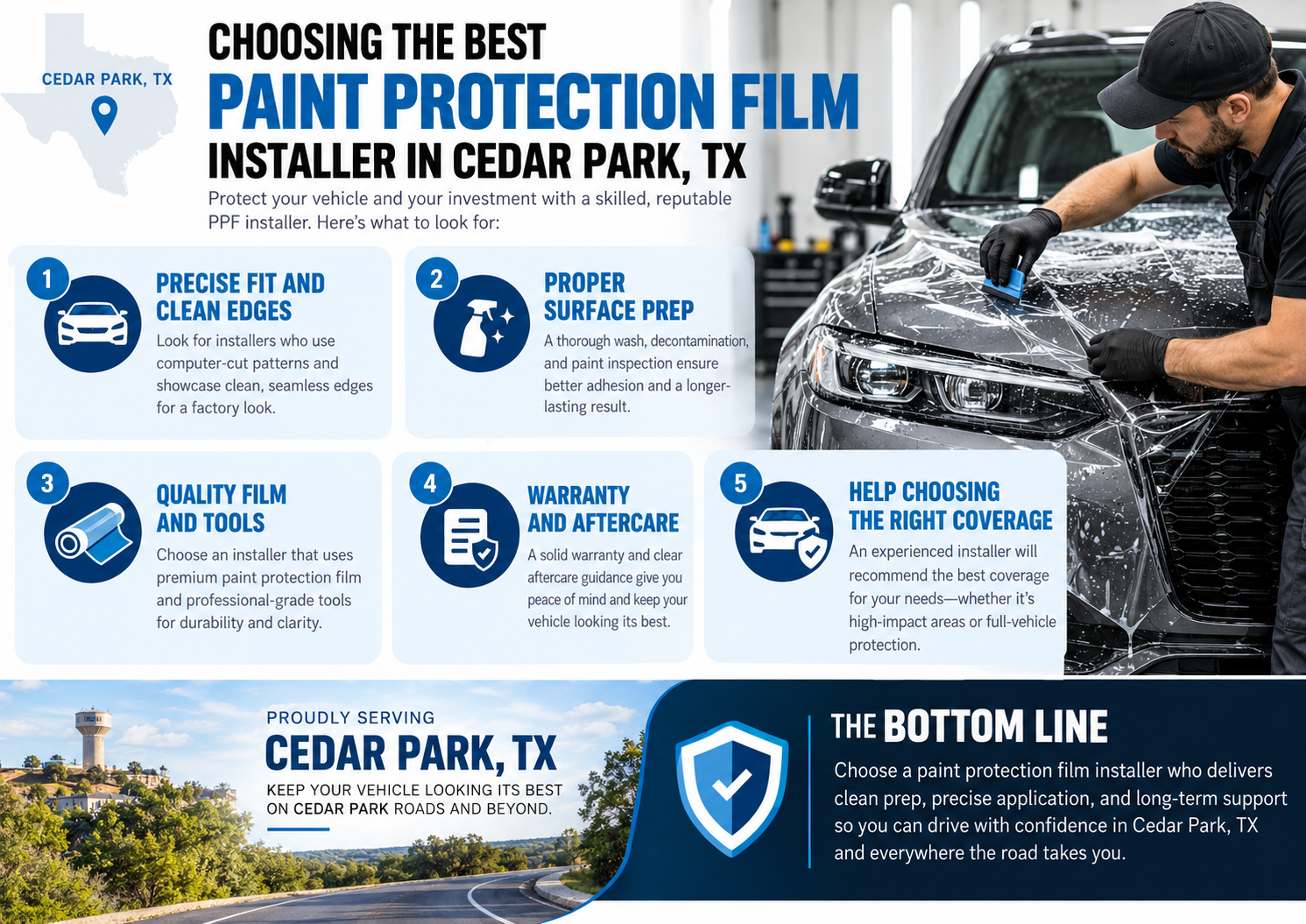
A trustworthy paint protection film installer combines technical knowledge with consistent workmanship, transparent communication, and an understanding of different vehicle surfaces. The best choice isn't necessarily the shop offering the lowest price or the most expensive film.
Installing PPF involves working with materials that must conform to complex body panels without compromising their protective properties. A flat hood presents different challenges from a bumper with aggressive contours, recessed sections, or intricate trim.
Experience matters because each vehicle requires adjustments in film positioning, tension management, edge finishing, and coverage planning. An installer who regularly works on different makes and models is generally better equipped to anticipate those challenges.
At Blue Ocean Auto, we believe choosing a PPF installer should start with understanding what the customer wants to protect. A vehicle used for daily commuting may need a different approach from a weekend car or a truck that frequently encounters loose gravel.
The right installer should make those distinctions clear before recommending a package.
How Can You Evaluate a PPF Installer's Workmanship?
You can evaluate a PPF installer's workmanship by examining completed installations, checking how the film fits around difficult panels, and asking to see examples of vehicles similar to yours. A clean appearance from a distance is important, but the details often reveal more about installation quality.
When reviewing previous work, pay attention to the following:
- Edge finishing: Film should follow panel boundaries neatly, with secure edges and minimal unnecessary exposure.
- Pattern alignment: Coverage should appear consistent across the panel rather than noticeably uneven.
- Complex contours: Bumpers, mirrors, and curved surfaces should not show obvious signs of excessive stretching or distortion.
- Surface cleanliness: Finished installations should have minimal trapped contamination and avoid preventable visible imperfections.
- Overall appearance: Clear PPF should preserve the vehicle's intended finish without distracting seams or irregularities.
Keep in mind that not every panel allows completely hidden edges. Certain body designs, trim arrangements, and installation methods require visible film boundaries. A skilled installer should explain these limitations rather than promise an invisible installation under every circumstance.
Photographs can help narrow your options, but viewing completed work in person provides a better opportunity to examine the finish and ask questions about specific installation decisions.
Does the Quality of Paint Protection Film Really Matter?
Yes. Paint protection film quality affects durability, optical clarity, resistance to environmental staining, and how well the material maintains its appearance over time. However, even premium PPF can produce disappointing results when installed incorrectly.
Most modern automotive PPF products use flexible polyurethane materials designed to absorb minor impacts and protect painted surfaces from rock chips, abrasion, and road debris.
The differences between products often become more noticeable in their surface characteristics and long-term performance.
Self-Healing Properties
Many premium films feature self-healing topcoats that allow light surface marks to become less noticeable with heat. This feature helps maintain the film's appearance but does not repair deep cuts or severe impact damage.
Optical Clarity and Finish
Quality clear PPF should preserve the appearance of the original paint without introducing excessive texture, haze, or distortion. Specialty finishes, including matte and colored films, have different visual characteristics that should be discussed before installation.
Resistance to Staining and Discoloration
Modern PPF products may offer improved resistance to environmental contaminants and discoloration. Performance varies by product, and no film is completely immune to neglect, aggressive chemicals, or prolonged contamination.
At Blue Ocean Auto, we consider both the material and the installation process when discussing paint protection film options. A well-matched product, installed correctly and maintained appropriately, is more valuable than selecting a premium film based on branding alone.
Should a PPF Installer Recommend Full-Body Protection?
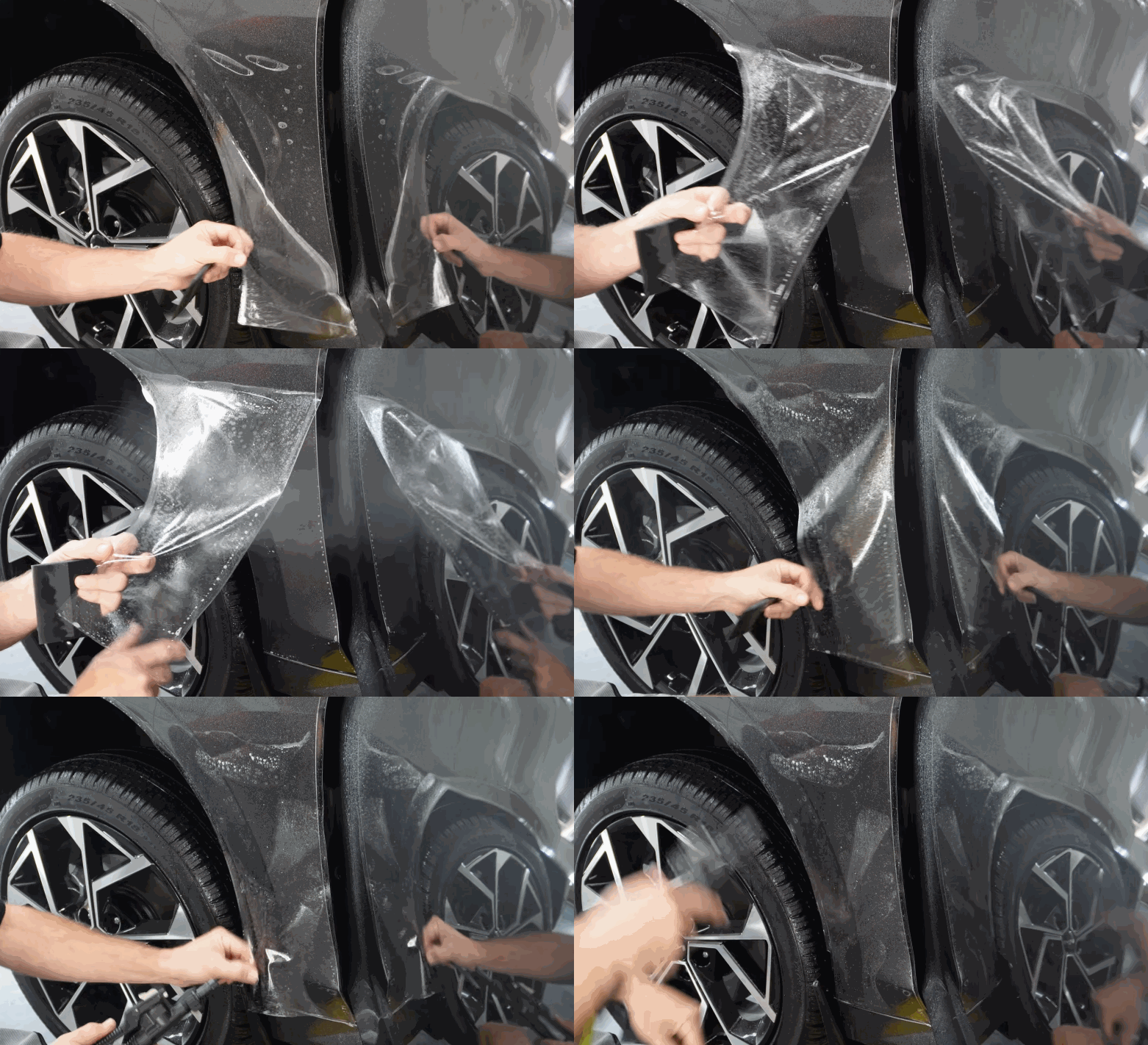
A professional PPF installer should recommend full-body protection only when it aligns with the vehicle owner's priorities, driving conditions, and budget. Full-body paint protection film provides extensive coverage, but it is not necessary for every Cedar Park driver. Different PPF packages address different levels of exposure.
Partial Front Protection
This approach targets selected forward-facing surfaces, such as the front bumper and portions of the hood or fenders. It can be suitable for owners seeking basic rock chip protection without covering the entire front end.
Full Front PPF
Full-front coverage generally includes the bumper, hood, front fenders, and mirrors. It is a popular choice for vehicles accumulating highway mileage because these surfaces receive frequent impacts from airborne debris.
Extended High-Impact Coverage
Some vehicles benefit from protecting rocker panels, lower doors, rear fender areas, or other surfaces exposed to tire-thrown material. This can be particularly relevant for trucks and SUVs with wider tires or more exposed bodywork.
Full-Body Paint Protection Film
Covering nearly every painted exterior panel offers the broadest protection against minor physical damage. Owners of newer, specialty, or long-term vehicles may find the additional coverage worthwhile.
The best installer should explain what each package includes, identify any exposed areas, and discuss the practical differences without automatically steering you toward the largest option.
Why Should Your PPF Installer Understand Cedar Park Driving Conditions?
A PPF installer familiar with Cedar Park driving conditions can help identify which vehicle surfaces face the greatest exposure to local road debris, construction activity, and highway travel. That knowledge supports more practical coverage recommendations.
US-183 is an important consideration for drivers who regularly commute toward Austin or travel at highway speeds. The front bumper, hood, fenders, and mirrors are particularly exposed to small stones and debris kicked up by surrounding traffic.
FM 1431 and nearby developing areas can present different challenges, including construction-related dust, loose gravel, and changing road conditions. Vehicles traveling these routes frequently may accumulate paint damage faster than those used primarily for short neighborhood trips.
The type of vehicle also matters. A low sports car, full-size pickup, and family SUV have different body shapes and vulnerable areas. Tire size, ride height, and panel positioning can influence where debris makes contact.
A knowledgeable installer should connect these factors to your actual driving habits rather than assume every Cedar Park vehicle needs identical paint protection film coverage.
That practical understanding helps ensure your investment addresses the surfaces most likely to experience damage.
What Questions Should You Ask Before Choosing a PPF Installer?
Before choosing a PPF installer, ask about the film being used, installation methods, warranty terms, preparation requirements, and exactly which areas of your vehicle will be covered. Clear answers help you compare shops based on workmanship and value rather than price alone.
A few questions can reveal how an installer approaches the job:
- What paint protection film do you install? Ask about the product's protective properties, expected durability, and manufacturer warranty.
- How do you prepare the vehicle? A professional should inspect the paint and explain whether cleaning, decontamination, or correction is necessary.
- Do you use precut patterns or custom-cut film? Both approaches can produce excellent results when performed correctly, depending on the vehicle and application.
- Which edges and panels will be covered? Confirm the exact boundaries of the installation to avoid misunderstandings.
- What does the warranty include? Distinguish manufacturer coverage for material defects from the shop's workmanship warranty.
- What happens after installation? Ask about curing, washing restrictions, follow-up inspections, and recommended maintenance.
Pay attention to how the installer responds. Someone who explains the reasoning behind their recommendations and acknowledges the limitations of PPF is generally more helpful than someone who promises flawless protection against every possible hazard.
How Important Are PPF Warranties and Aftercare Support?
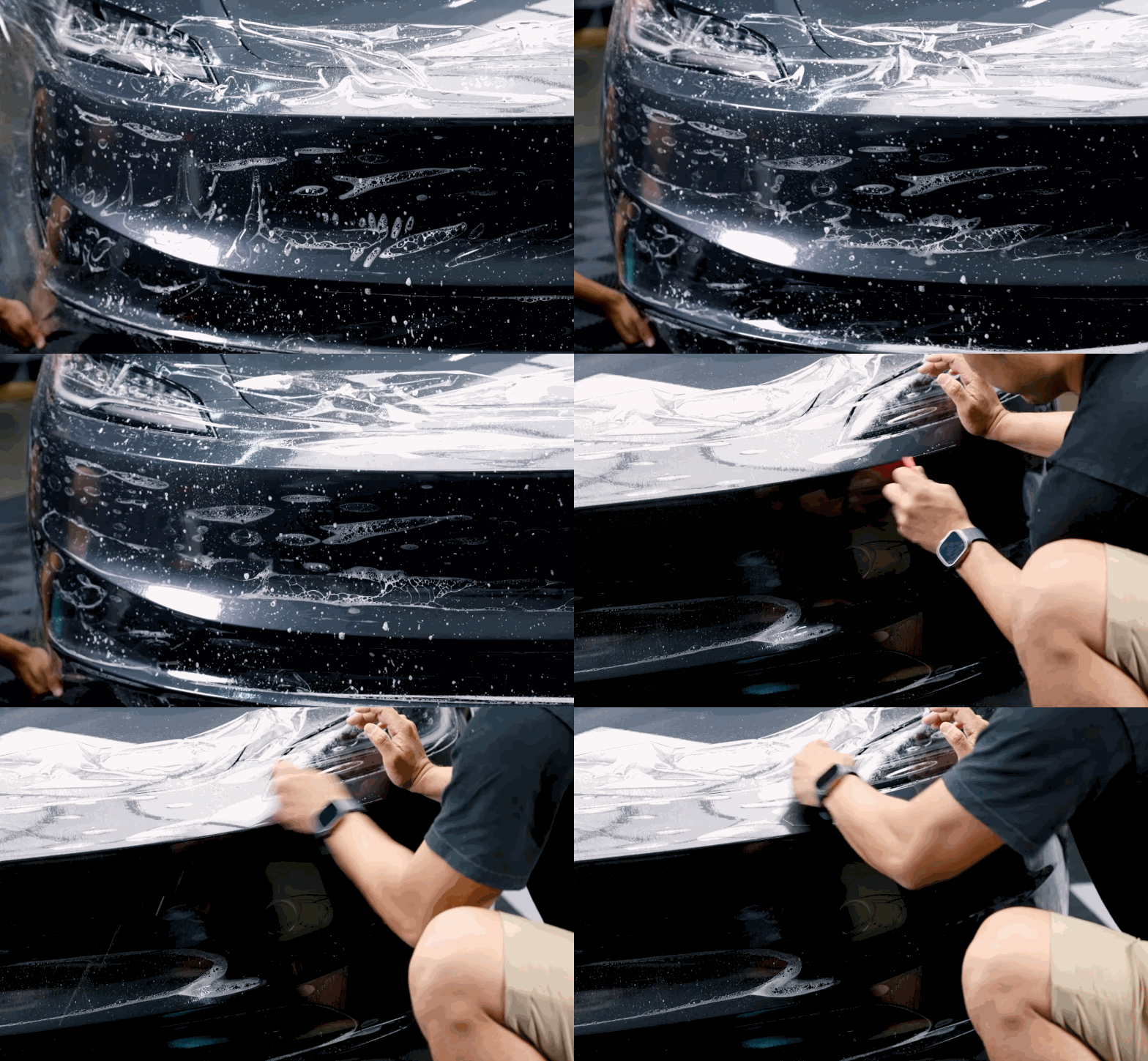
PPF warranties and aftercare support are important because they establish what protection the customer can expect after installation and how potential problems will be addressed. However, warranty terms vary between manufacturers and installation shops.
A manufacturer's warranty may cover specific material defects, such as qualifying discoloration, cracking, or other failures under stated conditions. Workmanship coverage, when offered, may address installation-related concerns separately.
Neither should be interpreted as a guarantee against every scratch, rock impact, or form of accidental damage.
Aftercare instructions deserve equal attention. Newly installed film needs an appropriate settling period, and cleaning methods should follow the film manufacturer's recommendations.
At Blue Ocean Auto, we believe customers should understand these details before approving their PPF installation. Knowing what to expect during curing, how to maintain the film, and when to request an inspection helps prevent unnecessary concerns after the vehicle leaves the shop.
A good installation experience should include clear guidance for maintaining the protection over time.
How Much Should Professional PPF Installation Cost in Cedar Park?
Professional PPF installation costs in Cedar Park vary according to vehicle size, coverage area, film selection, paint preparation, and installation complexity. A larger estimate does not automatically indicate better workmanship, just as a lower estimate does not necessarily represent better value.
For example, protecting the front end of a compact sedan generally requires a different amount of material and labor than installing film across the complex bumper, hood, and fenders of a large SUV.
Other factors can influence the estimate, including:
- Existing paint condition and necessary preparation
- Number and size of panels receiving protection
- Film type, finish, and manufacturer
- Complexity of bumpers, curves, trim, and body lines
- Custom coverage requests or additional high-impact areas
When comparing PPF installation quotes, make sure they describe equivalent services. Two shops may advertise full-front protection while offering different coverage boundaries or preparation procedures.
An itemized estimate makes those differences easier to understand and helps you decide whether the proposed package matches your priorities.
What Are the Warning Signs of an Unreliable PPF Installer?
An unreliable PPF installer may offer vague coverage descriptions, avoid questions about materials, provide unclear warranty information, or promise results that no protective film can realistically guarantee.
One warning sign is the inability to explain the installation process. You don't need to understand every technical detail, but the shop should be able to describe how the vehicle will be prepared, how coverage is selected, and what happens after installation.
Another concern is pressure to purchase unnecessary coverage. Full-body PPF can be an excellent investment for certain vehicles, but an installer should be able to explain why that level of protection makes sense for your situation.
Be cautious of unrealistic promises as well. Paint protection film reduces the risk of many forms of physical paint damage, but it cannot prevent every rock chip, deep scratch, or severe impact.
Professionalism is often reflected in straightforward communication. A trustworthy installer should be comfortable discussing limitations, installation expectations, and the factors that influence the final result.
Conclusion: How Do You Choose the Best PPF Installer in Cedar Park?
Choosing the best paint protection film installer in Cedar Park comes down to workmanship, material quality, transparent recommendations, and reliable customer support. The right shop should evaluate your vehicle individually and help you select coverage that addresses your actual driving conditions.
For vehicles regularly traveling US-183, FM 1431, or commuting toward Austin, protecting vulnerable front-end surfaces may be particularly valuable. Other drivers may benefit from extended coverage or full-body PPF depending on their vehicle and ownership goals.
At Blue Ocean Auto, we take the time to understand your vehicle, inspect its condition, and discuss paint protection film options that make sense for your needs. Our goal is to help you protect your investment with appropriate coverage and professional installation.
Contact us today to discuss PPF installation in Cedar Park, TX, and receive a personalized recommendation for your vehicle. Choosing an experienced installer from the beginning can help you avoid unnecessary complications and enjoy dependable paint protection for years to come.
Blue Ocean Auto Spa
5.0 ⭐⭐⭐⭐⭐ 226 Google reviews
Car detailing service in Cedar Park, Texas
Address:
1001 Doris Ln, Cedar Park, TX 78613, United States
Phone: +1 512-496-4296