Do You Need Paint Correction Before Ceramic Coating?
Not always, but in many cases paint correction is recommended before a ceramic coating application. The reason is simple: ceramic coating protects the condition of the paint, it does not improve it. If swirl marks, scratches, or other imperfections are already present, the coating will preserve them right along with the rest of the surface.
One of the easiest ways to think about ceramic coating is as a transparent protective layer that sits on top of your paint. Whatever is underneath becomes the foundation for the final result. A vehicle with smooth, refined paint will typically achieve greater gloss and clarity than one with visible defects.
Around Cedar Park, vehicles face constant exposure to sunlight, airborne contaminants, construction dust, and daily driving conditions that gradually affect paint quality. By the time many owners start considering ceramic coating, some level of paint correction may already be beneficial.
That doesn't mean every vehicle requires extensive correction work. Some newer vehicles need very little preparation, while others benefit from more substantial improvement before the ceramic coating application begins. Understanding that difference is often the first step toward getting the results you're actually hoping to achieve.
What Does Paint Correction Actually Remove From Your Vehicle's Paint?
Paint correction is designed to remove or reduce many of the imperfections that affect the appearance of automotive paint. Through specialized polishing processes, it targets defects within the clear coat that prevent the surface from looking its best.
The types of issues paint correction services commonly address include:
- Swirl marks caused by improper washing techniques
- Fine scratches from daily use
- Light oxidation that dulls paint appearance
- Water spot etching from mineral deposits
- Surface haze that reduces gloss and clarity
- Minor imperfections affecting overall vehicle paint enhancement
However, paint correction is not a miracle repair process. Deep scratches that extend beyond the clear coat, paint chips, or severe damage may require more extensive repairs that polishing alone cannot resolve.
In Cedar Park, many of these defects develop gradually through a combination of outdoor parking, UV exposure, pollen, dust, and everyday driving. That's why paint surface restoration is often part of the preparation process before applying long-term paint protection. Removing those imperfections first creates a cleaner foundation for the protection that follows.
Can Ceramic Coating Hide Scratches or Paint Defects?
No, ceramic coating is designed to protect paint, not hide existing defects. While it can improve gloss and visual depth, it will not make scratches, swirl marks, or other imperfections disappear.
This is one of the most common misunderstandings we encounter when discussing ceramic coating protection with vehicle owners. Because ceramic coatings create a reflective finish, many people assume the coating somehow conceals defects. In reality, the opposite can happen.
The Coating Enhances What Already Exists
A ceramic coating creates a smooth, glossy layer over the paint. If the paint underneath is already in excellent condition, that gloss looks impressive. If visible defects remain, the coating can actually make them more noticeable because of the increased reflectivity.
Protection and Correction Are Different Services
Paint correction focuses on improving the surface itself. Ceramic coating focuses on protecting that surface afterward. They work together, but they perform different jobs.
Better Expectations Lead to Better Results
Understanding paint defect visibility before installation helps vehicle owners make more informed decisions. When expectations match reality, the final results are often much more satisfying.
Many of the ceramic coating benefits people appreciate most, such as easier maintenance, enhanced gloss, and long-term protection, become even more noticeable when the paint has been properly prepared beforehand.
How Does Paint Condition Affect Ceramic Coating Results?
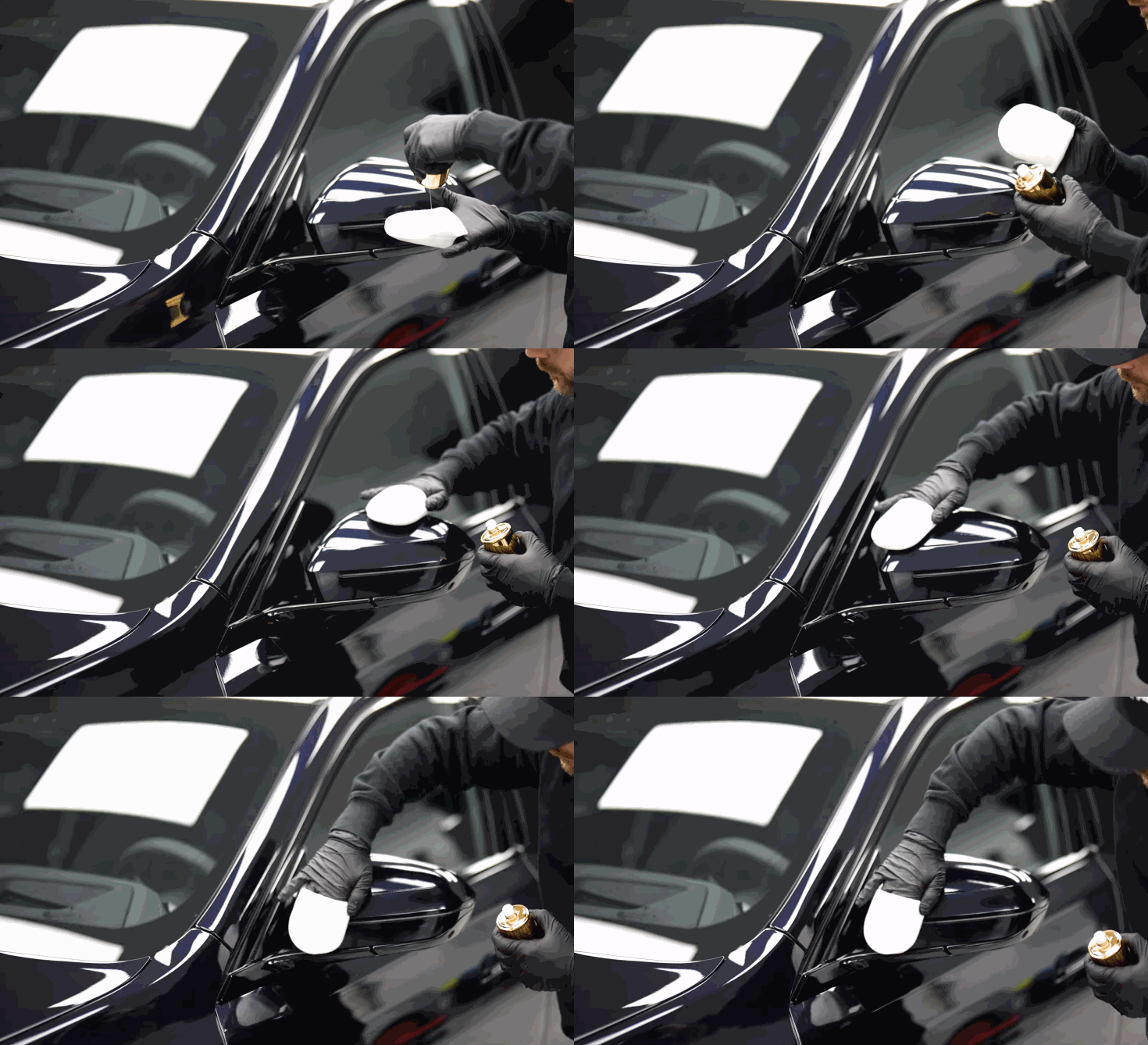
Paint condition significantly affects ceramic coating results because the coating amplifies the appearance of the surface beneath it. The cleaner, smoother, and more refined the paint is before installation, the better the final outcome tends to be.
When light reflects off automotive paint, every imperfection influences how that reflection looks. Swirl marks scatter light. Oxidation dulls reflections. Surface contamination reduces clarity. Proper ceramic coating preparation helps minimize these issues before protection is applied.
Several aspects of the finish are directly influenced by paint condition:
- Overall gloss levels
- Depth and richness of color
- Reflection clarity
- Surface smoothness
- Long-term visual satisfaction
This is why paint gloss enhancement often begins long before the coating itself is installed. The preparation phase frequently determines more about the final appearance than the coating product alone.
At Blue Ocean Auto Spa, one of the first things we evaluate is the condition of the paint itself. Two vehicles may receive the exact same ceramic coating, but their results can look dramatically different depending on the condition of the surface beforehand. Understanding that relationship helps owners make better decisions about whether paint correction should be part of the process.
How Can You Tell If Your Vehicle Needs Paint Correction First?
Some vehicles benefit significantly more from paint correction than others. The determining factor is usually the current vehicle paint condition rather than the vehicle's age, mileage, or value.
Many paint defects become much easier to see under direct sunlight, which is why Cedar Park drivers often notice imperfections more clearly during bright afternoons than they do inside a garage.
A few common indicators that paint correction may be worth considering include:
- Visible swirl marks in sunlight
- Water spot etching on painted surfaces
- Dull or hazy paint appearance
- Fine scratches caused by improper washing techniques
- Inconsistent gloss levels from one panel to another
The presence of one or more of these issues doesn't automatically mean extensive correction is required. In some cases, a light polishing process may be enough to significantly improve the finish before ceramic coating preparation begins.
This is where a professional paint correction inspection becomes valuable. Rather than guessing, an experienced evaluation can identify the actual condition of the paint and determine whether correction will meaningfully improve the final result.
Is Paint Correction Always Necessary Before Ceramic Coating?
No, paint correction is not always necessary before ceramic coating. The right approach depends on the owner's expectations, the condition of the paint, and the goals for the vehicle.
For example, a brand-new vehicle may only need minimal preparation before receiving a ceramic coating service. While many new vehicles still arrive with minor imperfections, they generally require less correction than vehicles that have spent years exposed to daily driving conditions.
Lightly used vehicles often fall somewhere in the middle. They may benefit from a mild correction process that removes light swirl marks and improves overall gloss without requiring extensive polishing.
Older vehicles typically present a wider range of possibilities. Some have been exceptionally well maintained and need very little work, while others show enough wear that paint correction before ceramic coating can dramatically improve the final appearance.
The decision ultimately comes down to priorities. Some owners want the highest possible finish quality, while others are primarily interested in protection. Both approaches are valid vehicle protection solutions, and neither automatically requires the same level of paint correction.
The goal isn't to recommend more work than necessary. It's to match the preparation process to the condition of the vehicle and the expectations of the owner.
What Happens During a Professional Ceramic Coating Application?
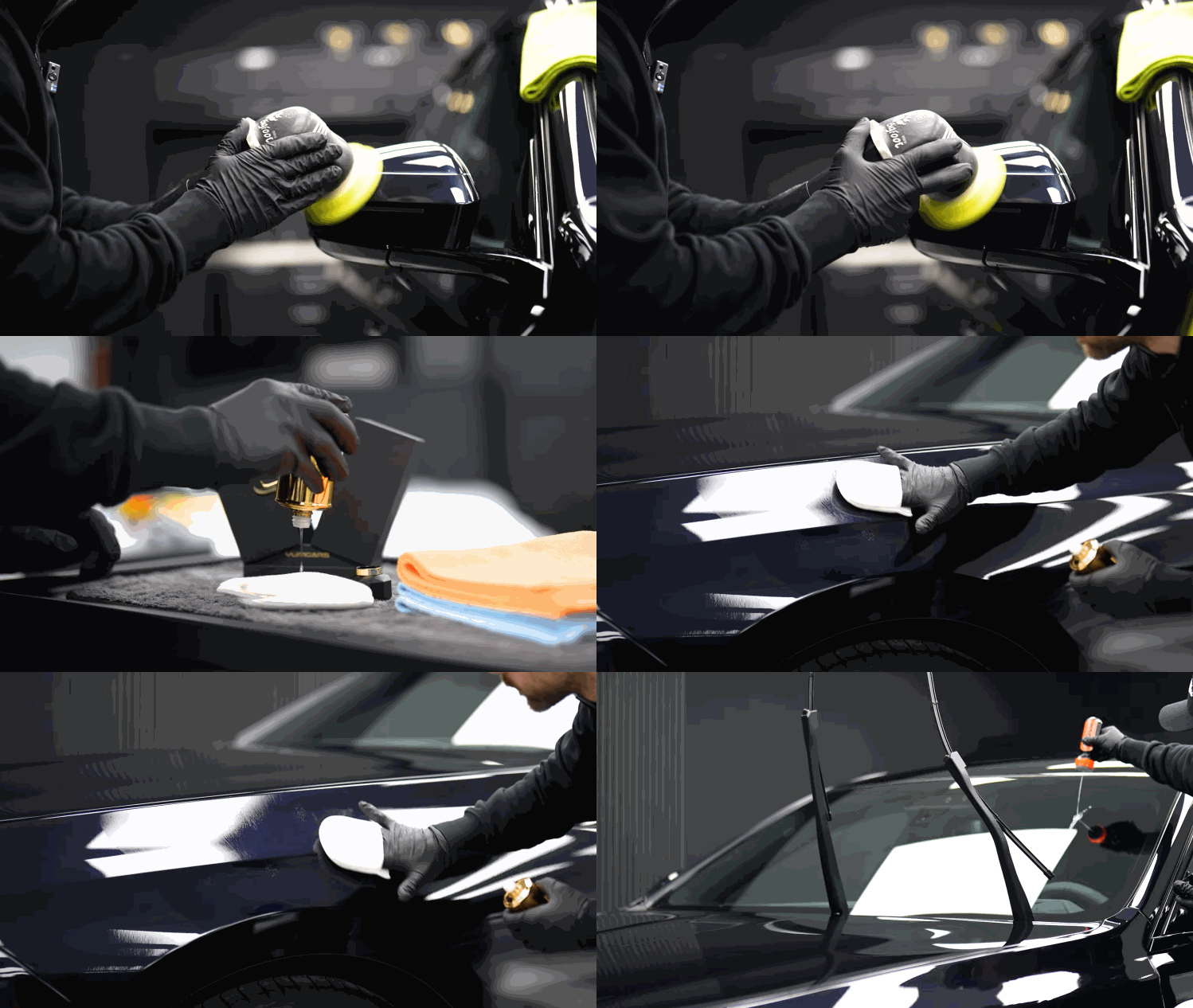
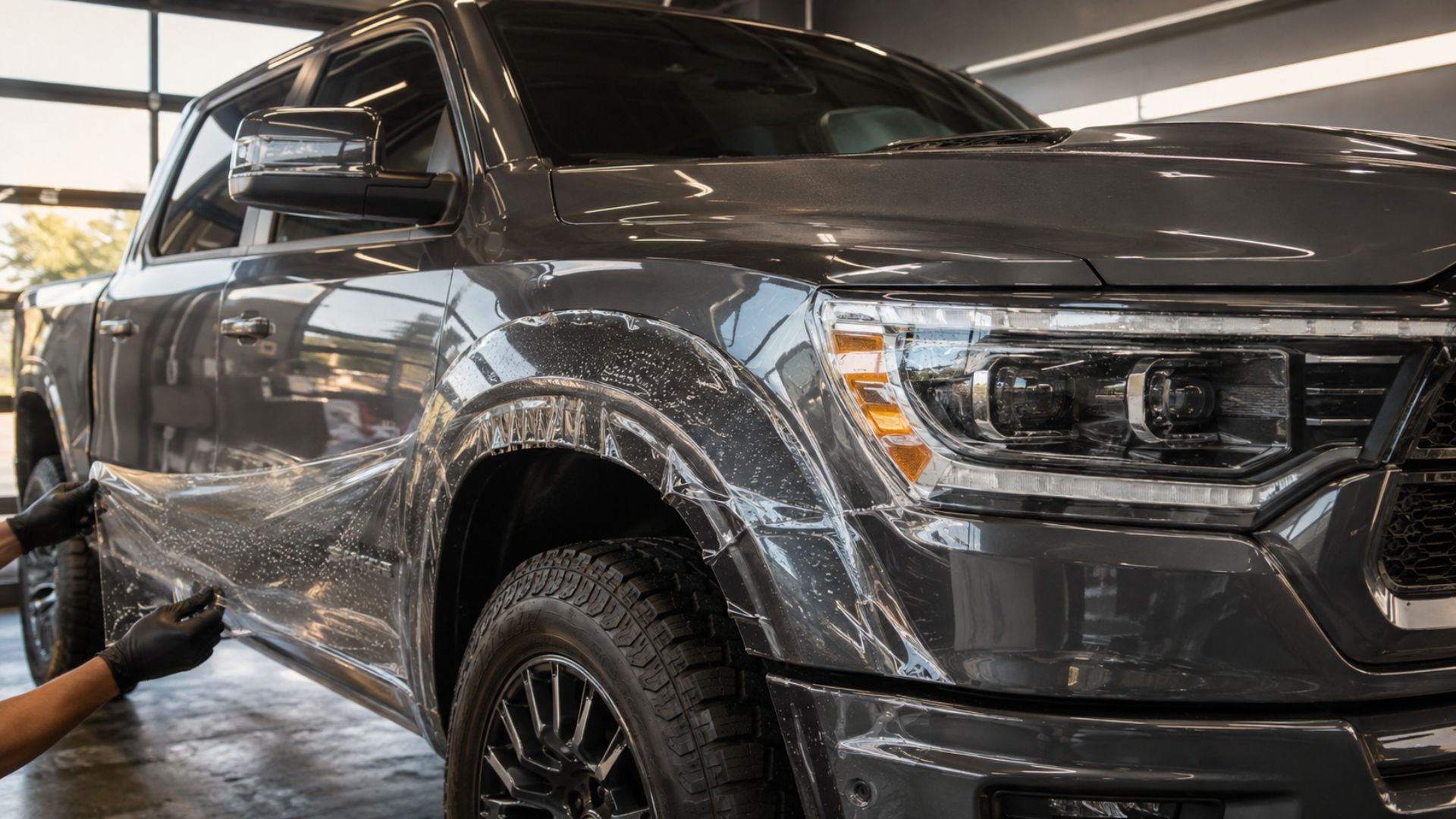
Preparation is one of the most important parts of any ceramic coating application. In fact, the preparation phase often requires more time and attention than the coating installation itself.
Many people picture ceramic coating as simply applying a product to the paint, but the actual ceramic coating process involves multiple steps designed to ensure proper bonding and long-term performance.
- Surface Cleaning: The vehicle is thoroughly washed to remove dirt, road grime, and surface contaminants.
- Decontamination: Embedded contaminants such as iron particles, industrial fallout, and stubborn residues are removed from the paint.
- Paint Inspection: Every panel is evaluated to identify defects, imperfections, and areas that may benefit from correction.
- Paint Correction (When Needed): If defects are present, polishing may be performed to improve the finish before protection is applied.
- Coating Installation: The ceramic coating is carefully applied and allowed to bond to the prepared surface.
Because every step builds upon the previous one, preparation directly influences the quality of the final result. At Blue Ocean Auto Spa, we dedicate significant attention to these early stages because they create the foundation for a successful professional ceramic coating installation. The coating itself is important, but what happens before it is often what determines how well it performs.
How Does Paint Correction Improve Long-Term Ceramic Coating Performance?
Paint correction improves both the appearance of the vehicle and the effectiveness of the ceramic coating. A smoother, cleaner surface creates better conditions for the coating to bond properly and perform consistently over time.
When imperfections remain in the paint, the coating still provides protection, but it is protecting a less refined surface. By correcting defects first, the coating is applied over a finish that has already been optimized for appearance and clarity.
Several paint correction benefits contribute to improved long-term results:
- Smoother paint surfaces allow the coating to sit more evenly across the vehicle.
- Better surface preparation promotes stronger coating bonding.
- Enhanced gloss and reflection become more noticeable after protection is installed.
- Defects that would otherwise remain visible are reduced before the coating locks in the finish.
- Owners often report greater satisfaction because the vehicle looks closer to their expectations from the beginning.
Long term paint protection is about more than preventing future damage. It's also about maximizing the appearance you're protecting. That's one reason why ceramic coating durability and overall visual performance often improve when paint correction is completed first.
At Blue Ocean Auto Spa, we frequently explain that correction and coating are complementary processes. One improves the paint, while the other helps preserve that improvement for years to come.
Conclusion: Is Paint Correction the Right First Step for Your Vehicle?
In many cases, paint correction is recommended before ceramic coating because the coating preserves whatever condition already exists on the surface. If the paint is already in excellent shape, little correction may be needed. If visible defects are present, addressing them first often leads to a much more satisfying result.
The best approach depends on two factors: the condition of the paint and the expectations of the vehicle owner. Some drivers prioritize maximum gloss and refinement, while others focus primarily on protection. Neither goal is wrong, but each may require a different preparation strategy.
What matters most is making an informed decision before the ceramic coating application begins. A professional evaluation can identify existing defects, determine whether correction is beneficial, and help you choose the right path for your vehicle.
At Blue Ocean Auto Spa, we take the time to assess each vehicle individually and recommend solutions based on actual paint condition rather than assumptions. If you're considering ceramic coating in Cedar Park,
contact us today to schedule a paint assessment and ceramic coating consultation. The right protection starts with understanding exactly what your vehicle needs, and we're here to help you make that decision with confidence.
Blue Ocean Auto Spa
5.0 ⭐⭐⭐⭐⭐ 204 Google reviews
Car detailing service in Cedar Park, Texas
Address:
1001 Doris Ln, Cedar Park, TX 78613, United States
Phone: +1 512-496-4296