Does Ceramic Coating Prevent Rock Chips Like PPF?
If you drive in Texas long enough, rock chips eventually become part of the conversation. Between high-speed highways, long daily commutes, and constant road construction, paint damage is something most drivers notice sooner rather than later. We hear the same concern regularly from customers who want to protect their vehicle but are unsure which solution actually addresses rock chips.
That question usually leads to a comparison between ceramic coating and Paint Protection Film. On the surface, both are marketed as paint protection solutions, which naturally causes confusion. From our experience working on vehicles across Texas, the comparison makes sense, but the expectations often need clarification.
Texas roads put vehicles through a unique combination of challenges:
- Sustained highway speeds on major interstates
- Loose gravel and debris near construction zones
- Long-distance driving that increases overall exposure
Speaking both as installers and vehicle owners ourselves, we understand why drivers want a clear, honest answer before committing to any protection option. That clarity starts with understanding what ceramic coating is actually designed to do.
What Ceramic Coating Is Designed to Do
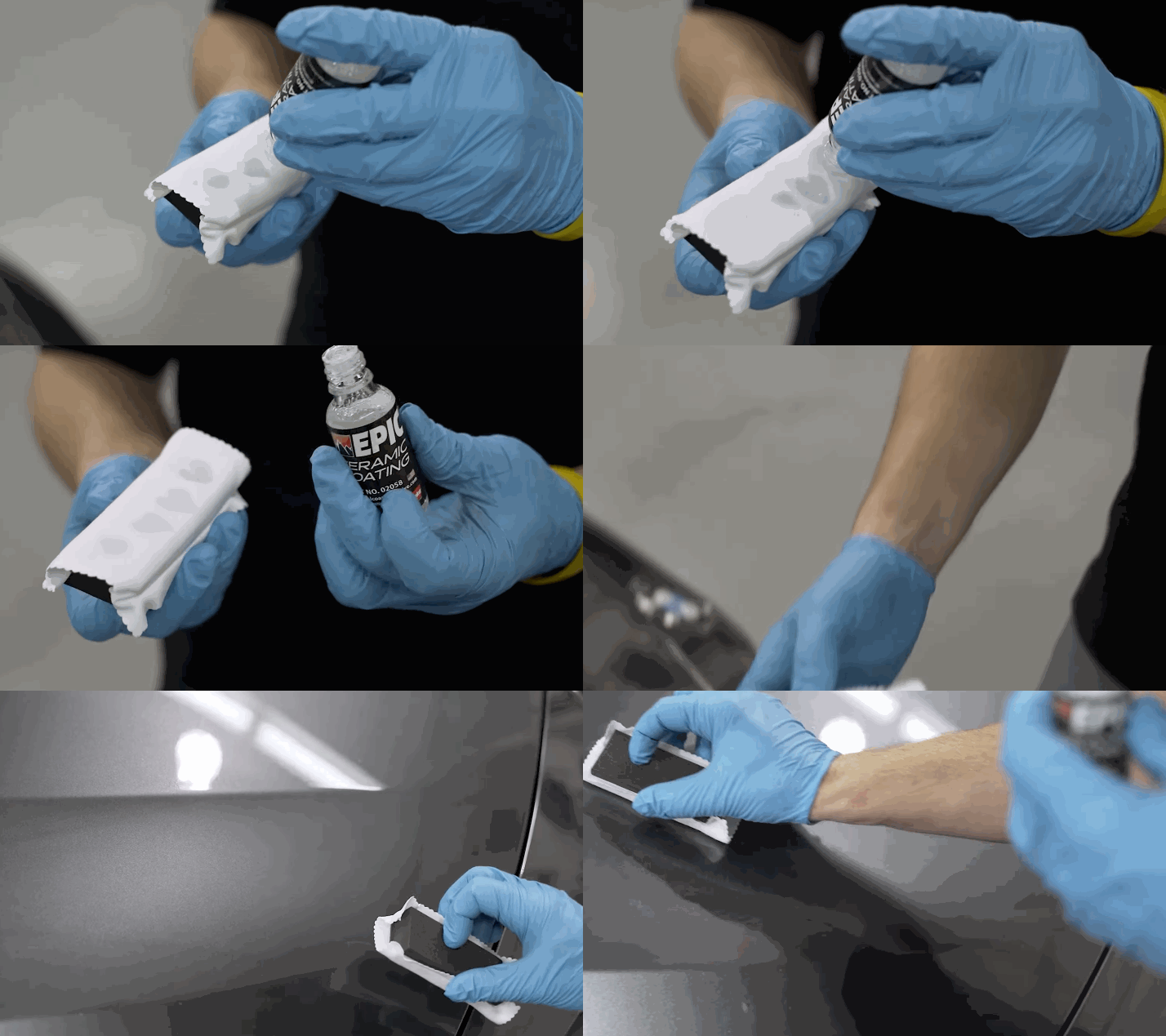
Ceramic coating is a surface-level paint protection solution. Its purpose is not to absorb impacts, but to enhance and preserve the factory clear coat by creating a durable, bonded protective layer.
During a proper ceramic coating application, the coating chemically bonds to the vehicle’s clear coat rather than sitting loosely on top. This bond creates a hardened surface that improves resistance to environmental contaminants and everyday wear, but it does not add thickness designed to stop physical impacts.
The core benefits of ceramic coating include:
- Improved resistance to chemicals such as road salts, bug splatter, and bird droppings
- Easier cleaning due to hydrophobic properties that reduce dirt adhesion
- Long-lasting gloss and enhanced depth of color
It is important to set realistic expectations. Ceramic coating adds meaningful protection for the paint’s surface and appearance, but it is not intended to replace physical impact protection. Understanding this distinction allows drivers to appreciate the value of ceramic coating without expecting it to perform outside its design purpose.
How Rock Chips Actually Happen on Texas Roads
Rock chips occur when small debris strikes the vehicle at speed with enough force to break through the clear coat and paint layers. In Texas, those conditions are common due to both driving habits and road environments.
At highway speeds, even a small stone can carry significant impact energy. That force is concentrated into a very small point on the paint surface, which is why chips can happen suddenly and without warning.
Common Texas driving environments where this occurs include:
- Interstates with high-speed traffic and frequent lane changes
- Construction areas with loose gravel and unfinished shoulders
- Rural highways where road maintenance varies and debris is more common
This is where the distinction between surface protection and impact protection becomes important. Surface coatings are designed to resist chemical and environmental damage, while impact protection requires materials engineered to absorb or deflect physical force. Understanding this difference helps drivers make informed decisions without unnecessary concern or exaggerated claims.
Ceramic Coating vs PPF: A Functional Comparison
Ceramic coating and PPF serve different functions, even though both fall under the category of paint protection. The key difference lies in how each product responds to impact.
Ceramic coating provides surface resistance. It strengthens the clear coat against contaminants, UV exposure, and minor abrasion, but it does not have the elasticity or thickness needed to absorb rock impacts.
PPF, by contrast, is engineered to absorb and disperse impact energy. Its physical thickness and flexible structure allow it to take the hit that would otherwise damage paint.
That distinction explains why ceramic coating does not stop rock chips the way PPF does. However, ceramic coating still plays a valuable role:
- It helps protect exposed paint areas that are not covered by film
- It makes minor damage less noticeable by maintaining surrounding gloss
- It simplifies maintenance and preserves appearance over time
Rather than viewing one option as better than the other, the real value comes from using each solution where it performs best. When protection choices align with how and where a vehicle is driven, the results are far more satisfying in the long run.
Where Ceramic Coating Still Makes Sense for Texas Vehicles
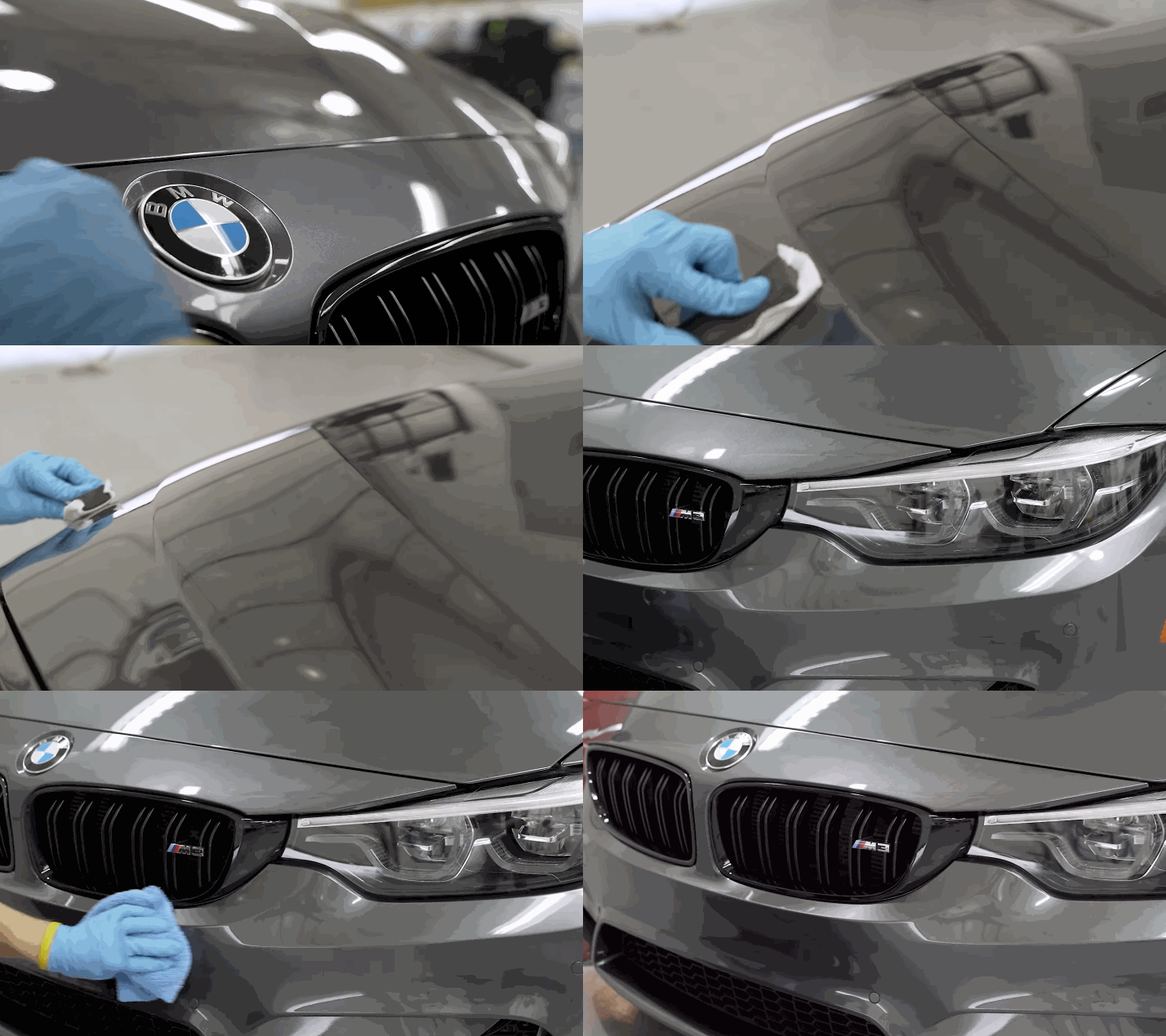
Even though ceramic coating does not stop rock chips, it still plays an important role for Texas vehicles that face constant environmental exposure. In real-world ownership, paint damage is rarely isolated to a single issue, and surface wear tends to build up around existing imperfections.
Ceramic coating helps reduce visible wear around minor paint damage by protecting the surrounding clear coat. While a small chip may still occur, the areas around it are less likely to dull, stain, or oxidize over time, which keeps the damage from visually spreading.
For Texas drivers, the benefits become even more noticeable due to daily exposure to:
- Intense sun and prolonged UV radiation
- Extreme heat cycles that stress clear coat
- Bug splatter, bird droppings, and road grime
- Frequent washing caused by dust and pollen
A properly executed ceramic coating application supports long-term paint maintenance by creating a surface that is easier to clean and less likely to degrade prematurely. When viewed as part of a broader protection strategy rather than a standalone solution, ceramic coating delivers consistent value throughout ownership.
The Role of Proper Ceramic Coating Application
The performance of ceramic coating is directly tied to how it is applied. Installation quality determines how well the coating bonds, cures, and performs under real driving conditions.
A professional ceramic coating application accounts for several critical factors:
- Thorough surface preparation to remove contaminants and correct paint imperfections
- Evaluation of paint condition to ensure proper bonding
- Controlled curing conditions to allow the coating to harden correctly
One of the most common misconceptions is that ceramic coating performance is the same regardless of who applies it. DIY kits or rushed installations often skip essential preparation steps, leading to uneven bonding and reduced durability.
This is where working with an experienced team such as Blue Ocean Auto Spa becomes important. A professional approach ensures the coating performs as intended, especially under Texas heat and driving conditions.
Choosing the Right Protection Strategy for Your Driving Habits
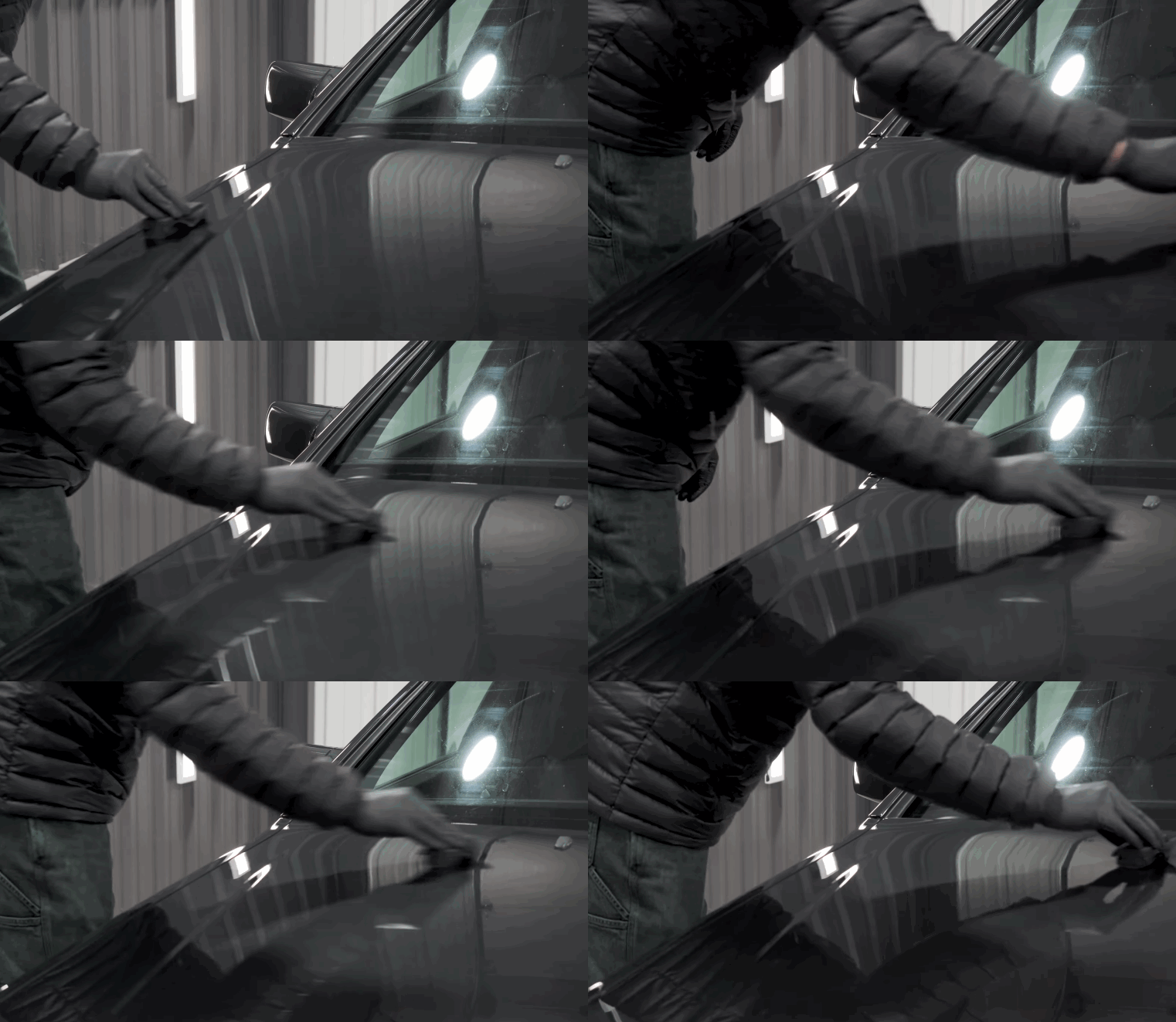
No two Texas drivers use their vehicles the same way. Choosing the right protection strategy starts with honestly evaluating how and where you drive. Consider factors such as:
- Daily mileage and commute length
- Time spent on highways versus local roads
- Exposure to construction zones or rural routes
- How long you plan to keep the vehicle
A car that racks up highway miles across Texas will face different risks than a weekend vehicle driven primarily around town. Ceramic coating can be a strong fit when surface protection, ease of maintenance, and long-term appearance matter most.
Rather than relying on a one-size-fits-all solution, informed decision-making leads to better results. At Blue Ocean Auto Spa, we help drivers match protection options to real usage patterns based on firsthand experience with Texas vehicles.
Common Misunderstandings About Ceramic Coating and Rock Chips
One of the most persistent misunderstandings is the belief that ceramic coating prevents rock chips entirely. This idea often comes from marketing language that emphasizes “protection” without clearly defining its limits.
In practical terms, ceramic coating protects against environmental damage, not high-impact debris. Understanding this distinction helps drivers avoid disappointment and appreciate what the product actually delivers.
From hands-on experience, ceramic coating excels at preserving paint condition, reducing maintenance effort, and maintaining gloss, but it should not be expected to perform like an impact-resistant film. Transparent explanations build trust and lead to better long-term satisfaction.

Conclusion: Setting the Right Expectations for Paint Protection
Ceramic coating does not prevent rock chips the way PPF does, and understanding that difference is key to making the right decision. Rock chips are the result of physical impact, while ceramic coating is designed to protect the paint surface from environmental and chemical wear.
When applied correctly, ceramic coating provides real value by enhancing durability, simplifying maintenance, and preserving appearance in demanding Texas driving conditions. For many drivers, it becomes an essential part of long-term ownership rather than a quick cosmetic upgrade.
If you are weighing your options and want guidance rooted in real installation and ownership experience,
Blue Ocean Auto Spa remains a knowledgeable local partner for navigating paint protection decisions with clarity and confidence.
Blue Ocean Auto Spa
5.0 ⭐⭐⭐⭐⭐ 92 Google reviews
Car detailing service in Cedar Park, Texas
Address:
1001 Doris Ln, Cedar Park, TX 78613, United States
Phone: +1 512-496-4296