Why PPF Is the Best Defense Against Winter Gravel Damage
It’s easy to assume that winter-related gravel damage is something only drivers in snowy, northern states have to worry about. From our experience here in Texas, that assumption causes a lot of avoidable paint damage. Even without constant snow, winter road conditions across Texas create the same type of exposure that chips, scars, and slowly wears down vehicle paint.
Across the state, winter road preparation often includes loose aggregate, temporary asphalt repairs, and unfinished surface patches. Add ongoing construction zones and heavy truck traffic, and you end up with a steady stream of gravel being kicked up at highway speeds. Over time, those impacts add up, especially for vehicles driven daily.
This is where paint protection film naturally fits into the conversation. Not as a luxury upgrade, and not as a sales pitch, but as a practical solution to a very real problem. When installed correctly, it acts as a sacrificial barrier that takes the abuse so your factory paint doesn’t have to.
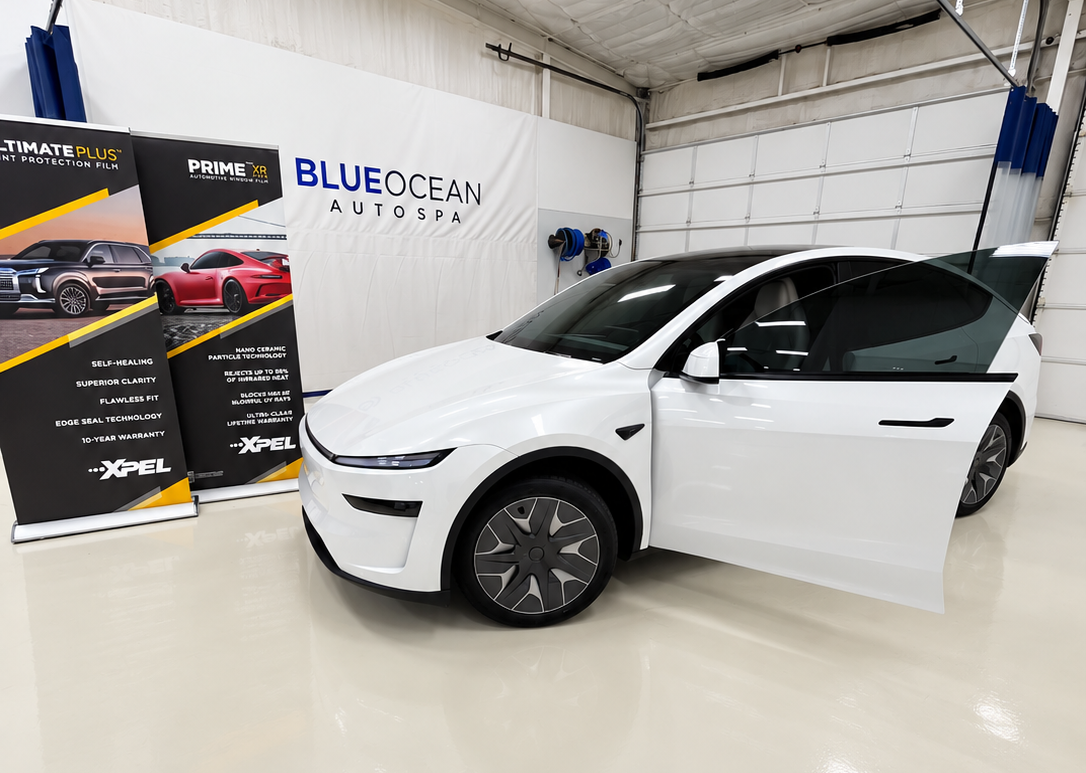
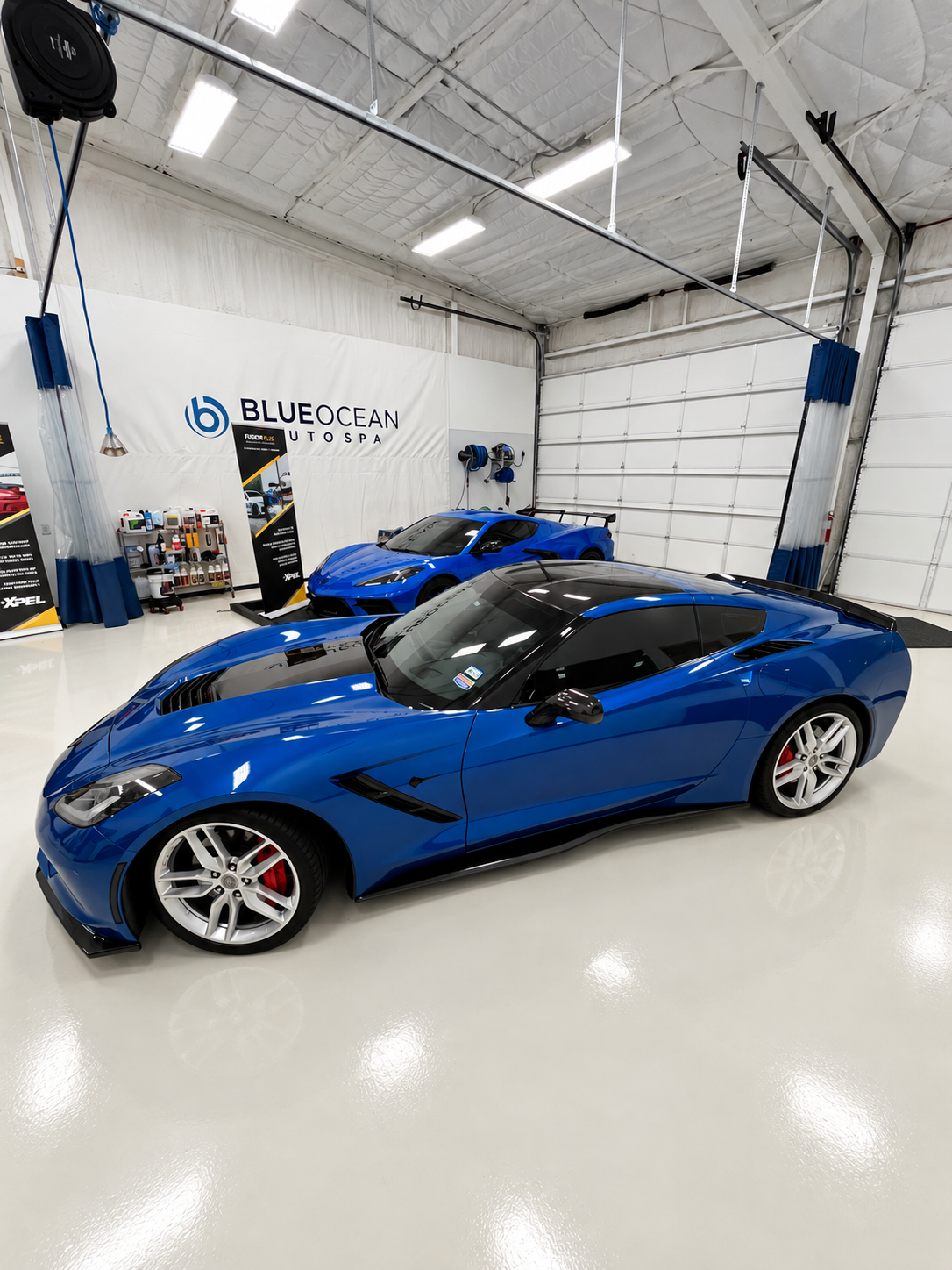
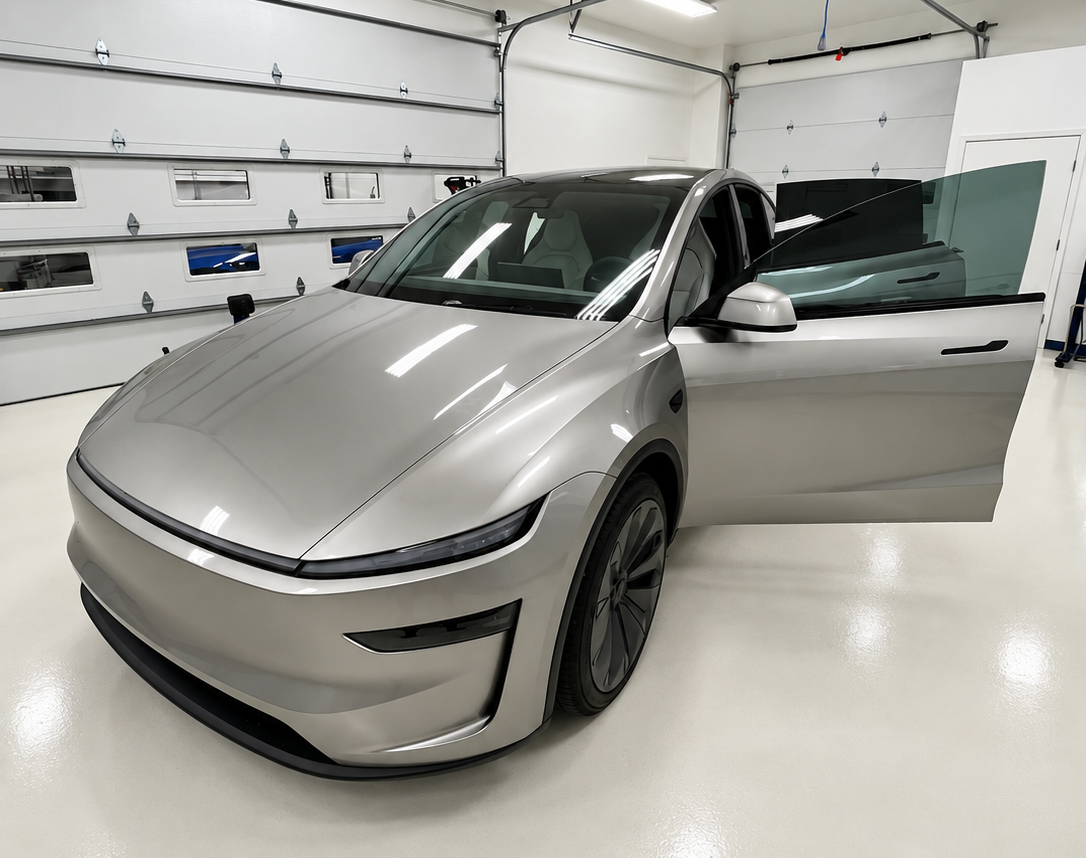
As a team that works with this material every day and runs it on our own vehicles, we approach this topic from experience, not theory. At Blue Ocean Auto Spa, we see the results of Texas winter driving firsthand, both on protected vehicles and on cars that come in after the damage has already been done. That local, real-world perspective is what guides how we recommend protection options.
Why Winter Gravel Is Especially Hard on Vehicles in Texas
Texas roads present a unique combination of conditions during winter months. Unlike regions with consistent snow cover, Texas often deals with intermittent cold snaps, rapid temperature changes, and constant road repairs. Texas DOT maintenance crews frequently rely on gravel-based materials for temporary fixes, which remain loose far longer than most drivers expect.
You see this most clearly in everyday driving environments such as:
- Highways and interstates with active resurfacing
- Frontage roads with uneven pavement transitions
- Rural routes where loose gravel is common year-round
- Construction corridors that stay active even during winter
Winter gravel is also more aggressive than normal road dust. The pieces are larger, sharper, and hit the vehicle at higher speeds, especially on highways. Those impacts don’t usually cause dramatic damage overnight. Instead, they create small chips and micro-abrasions that gradually compromise the paint surface.
That slow, cumulative damage is what catches most drivers off guard. By the time it’s visible, the paint has already taken hundreds or thousands of hits.
How Paint Protection Film Absorbs and Deflects Gravel Impact
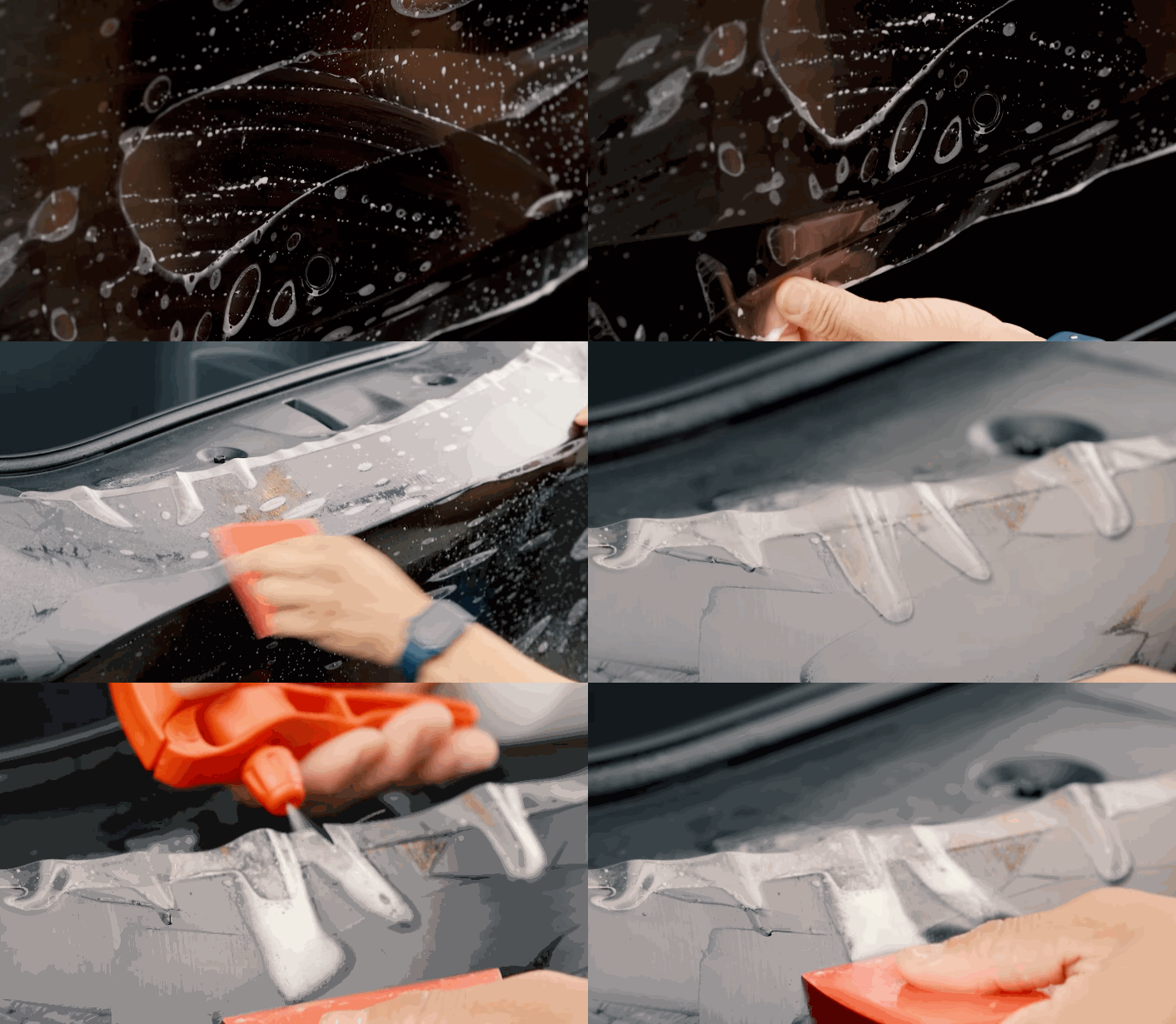
At its core, paint protection film works as a physical shield between your vehicle’s paint and the outside world. Rather than allowing gravel to strike the paint directly, the film absorbs and disperses the impact energy across its surface.
From a practical standpoint, this does a few important things. The material flexes on impact, reducing the force transferred to the paint underneath. The surface is designed to resist tearing and punctures, which is critical when dealing with sharp winter aggregate. Many modern films also feature self-healing properties, allowing light surface marks to disappear with heat from the sun or normal driving conditions.
This is why we always frame PPF as functional protection, not a cosmetic upgrade. The visual benefits are a bonus, but the real value shows up months and years later when the paint underneath still looks the way it should.
Speaking from ownership experience, vehicles protected early require far less correction work down the line. There’s less polishing, fewer touch-ups, and significantly less stress about where and how you drive during winter months.
Key Areas of the Vehicle Most Exposed to Winter Gravel Damage
Not every part of a vehicle faces the same level of risk. Certain panels are consistently in the direct line of fire when driving Texas roads in winter. The most common high-impact areas include:
- Front bumper and lower grille sections
- Leading edge of the hood
- Front fenders and wheel arches
- Side mirrors and headlight lenses
- Rocker panels along the lower sides of the vehicle
These areas take the brunt of gravel strikes because they face forward or sit low to the ground, where debris is most concentrated. Highway speeds amplify the damage, especially on routes with ongoing construction or patched pavement.
One important point we always emphasize is that coverage does not have to be all-or-nothing. Paint protection film can be applied strategically based on how a vehicle is used. Some drivers prioritize front-end protection, while others benefit from extended coverage along the sides due to long highway commutes.
This flexibility allows PPF installation to be tailored to real driving habits rather than generic packages, which is especially important for Texas drivers who split time between city roads, highways, and rural routes.
Why Professional PPF Installation Matters More Than the Film Alone
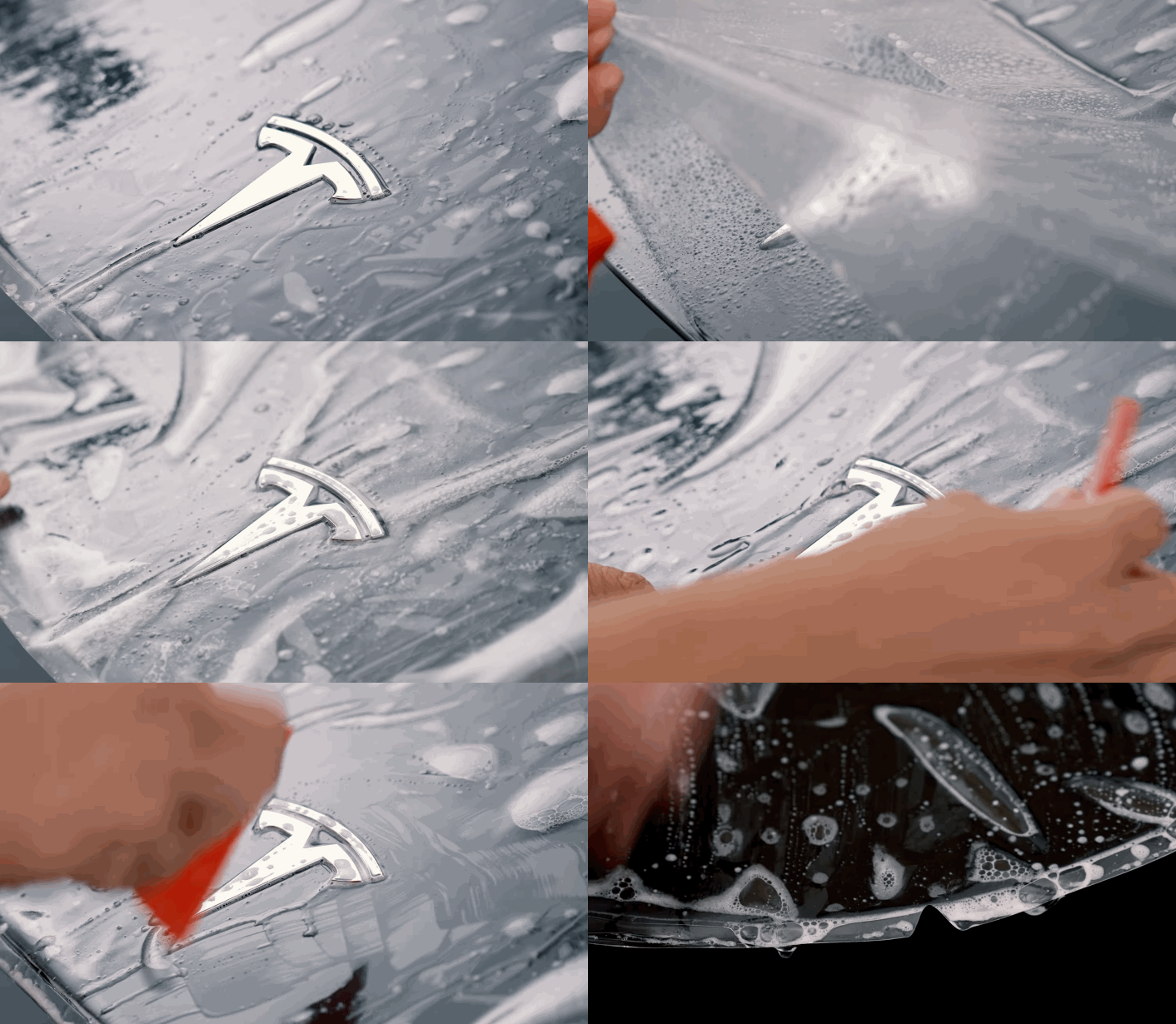
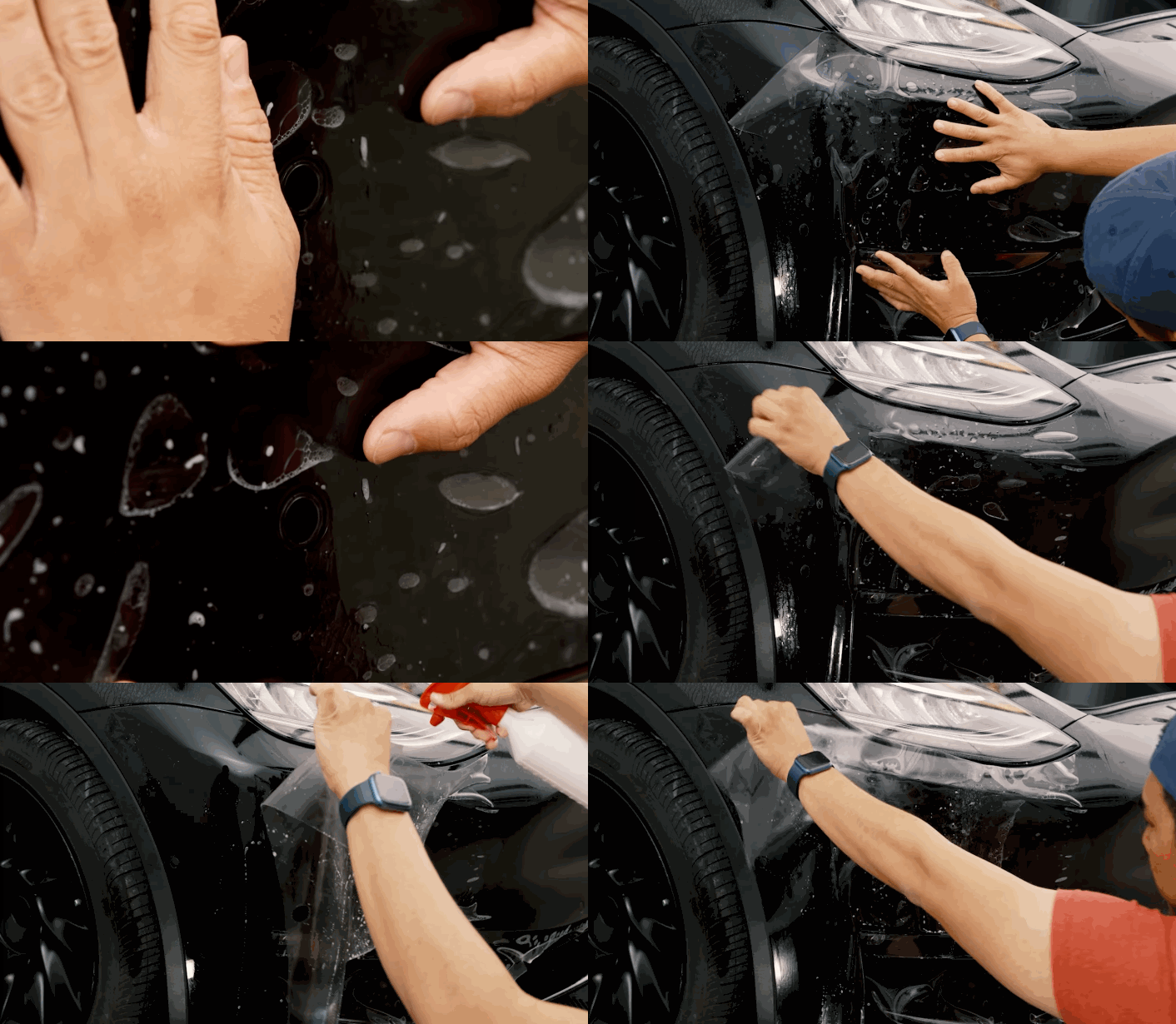
One thing we’ve learned over the years is that even the best paint protection film can fall short if it’s not installed correctly. The film itself is only part of the equation. Long-term durability and real-world performance depend heavily on how the installation is handled from start to finish.
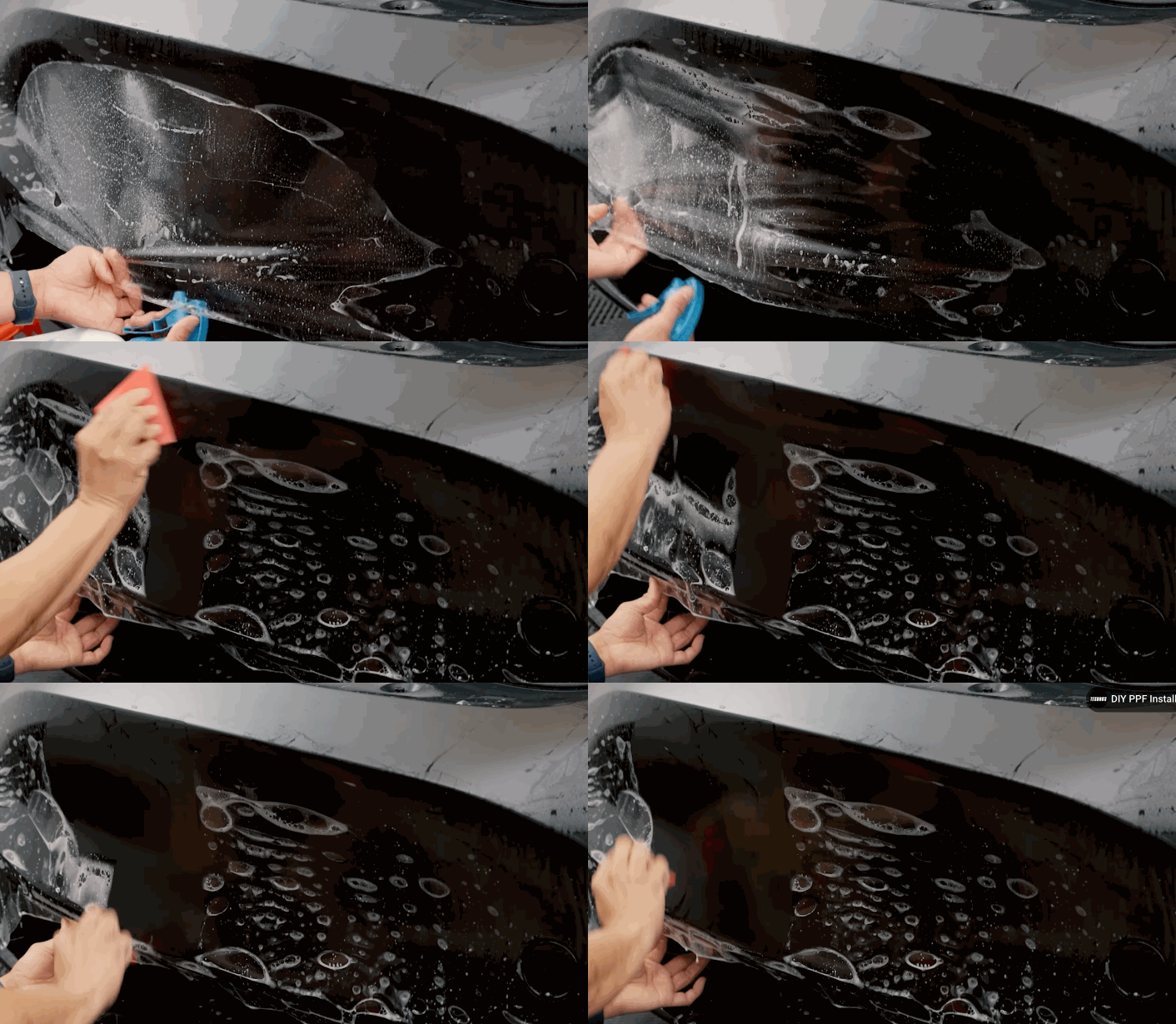
Proper surface preparation is the foundation. Any contamination left behind, even microscopic debris, can affect adhesion and cause premature lifting. Alignment also plays a major role. Film that isn’t positioned correctly can leave high-impact areas exposed or create unnecessary tension that shortens its lifespan. Edge wrapping is another critical factor, especially in Texas driving conditions, where gravel, heat, and highway speeds all work against exposed edges.
This is where professional PPF installation makes a measurable difference. When installation is rushed or done without the right environment, common issues start to appear over time. These can include lifting edges, visible seams, trapped debris, or reduced impact resistance. None of these problems show up immediately, which is why experience matters more than shortcuts.
At Blue Ocean Auto Spa, our installation standards are shaped by local conditions. Texas heat, road debris, and long-distance driving all influence how the film needs to be installed to perform the way it should. That local experience allows us to focus on consistency, durability, and realistic expectations rather than just getting film on the car.
PPF vs. Other Paint Protection Options in Winter Conditions
When winter driving is part of the conversation, it’s important to understand how different protection options actually perform. Ceramic coating, for example, offers excellent chemical resistance and makes cleaning easier, but it does not provide meaningful protection against physical impacts. Gravel, road debris, and sharp aggregate will still strike the paint directly.
Traditional clear bras, on the other hand, were an early attempt at physical protection but often lacked the durability, clarity, and self-healing characteristics of modern materials. Over time, they could discolor or crack, especially in fluctuating temperatures.
Paint protection film stands out because it is designed specifically to handle impact. It absorbs and disperses energy from gravel strikes rather than transferring that force to the paint. For drivers spending time on Texas highways, frontage roads, and construction-heavy routes, that difference matters.
That said, the best solution is not universal. The right protection depends on how and where the vehicle is driven. For some drivers, combining different products makes sense. For others, PPF alone provides the most practical coverage for winter conditions in Texas.
Long-Term Value of Paint Protection Film for Texas Vehicle Owners
When we talk about long-term value, paint protection film tends to prove its worth quietly over time rather than all at once. Its impact is less about immediate visual changes and more about how a vehicle holds up after years of real driving across Texas roads.
From an ownership perspective, the benefits show up in several practical ways:
- Preserved resale and trade-in value: Paint that remains free of chips, heavy wear, and repeated touch-ups presents better during resale inspections. Buyers and dealers notice clean, original paint, even if they cannot immediately identify why it looks better.
- Reduced need for corrective work: Vehicles without protection often require ongoing paint correction, panel repainting, or cosmetic compromises after winter driving. With paint protection film in place, gravel impacts are absorbed by the film, not the paint, reducing long-term repair costs.
- Replaceable protection rather than permanent damage: When PPF reaches the end of its service life, it can be safely removed and replaced. The original paint underneath remains intact, which is a far better outcome than repainting panels or living with accumulated damage.
For drivers who regularly use highways or navigate construction-heavy routes, this protection becomes increasingly valuable over time. Based on both personal use and professional experience, vehicles protected early simply age more gracefully. They need less correction, involve fewer trade-offs, and allow you to drive through winter conditions with far less concern about every loose rock on the road.
Choosing a Local Texas Professional for PPF Installation
Local knowledge plays a bigger role in paint protection film installation than many people realize. Texas roads, climate swings, and driving habits are different from other regions, and those differences affect how PPF should be installed and maintained.
Working with a shop that understands Texas conditions means better recommendations from the start. That includes realistic coverage options, proper inspection standards, and clear communication about what protection will and won’t do. It also means installation techniques that account for heat, road debris, and long-term durability.
At Blue Ocean Auto Spa, our approach is built around experience rather than assumptions. We focus on honest evaluations, proper prep work, and installations designed to hold up under real Texas driving, not just look good on delivery day.
Conclusion: Practical Protection for Real Texas Driving Conditions
Winter gravel damage may not always be obvious at first, but over time it takes a real toll on vehicle paint across Texas. Paint protection film stands out as one of the most effective defenses because it addresses the problem at its source, absorbing impact before damage reaches the paint.
The best protection decisions are informed by experience, driving habits, and local conditions. Speaking as someone who relies on PPF personally, the value shows up long after the installation is complete, when the paint still looks the way it should.
For drivers looking for guidance rooted in real-world Texas driving,
the team at Blue Ocean Auto Spa is available to help you evaluate whether paint protection film makes sense for your vehicle and how it should be applied for long-term results.
Blue Ocean Auto Spa
5.0 ⭐⭐⭐⭐⭐ 92 Google reviews
Car detailing service in Cedar Park, Texas
Address:
1001 Doris Ln, Cedar Park, TX 78613, United States
Phone: +1 512-496-4296