Does Your Car Need Full-Body PPF? Choosing Coverage in Cedar Park, TX
Not every car needs full-body paint protection film. Full-body PPF offers extensive protection against rock chips, minor scratches, and everyday abrasion, but partial coverage can be sufficient for many Cedar Park drivers. The right choice depends on your vehicle's condition, highway mileage, parking environment, and how much of the original paint you want to preserve.
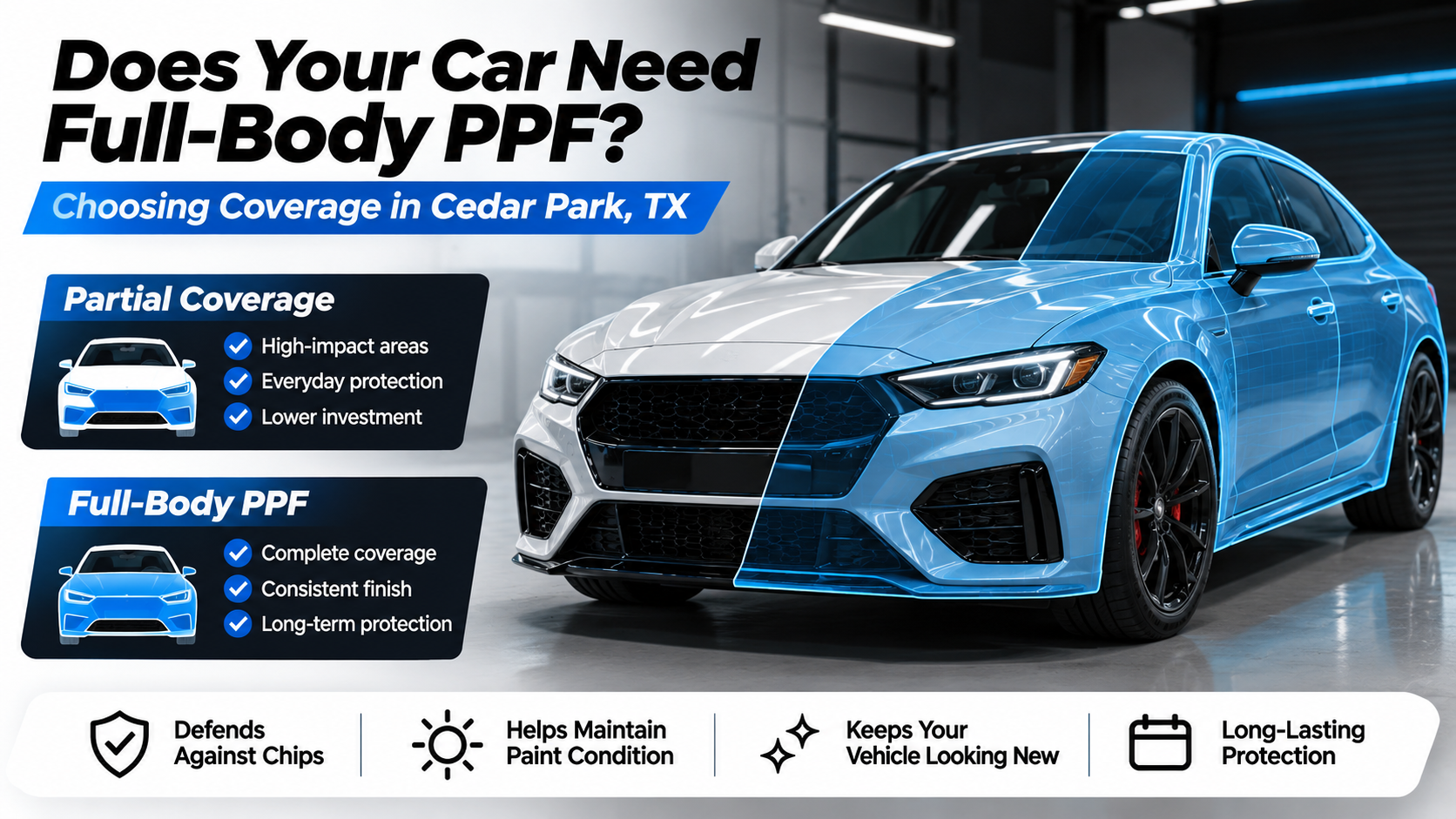
When Does Full-Body PPF Make Sense for Your Car?
Full-body PPF makes sense when protecting nearly every painted exterior panel is a priority, particularly for newer, high-value, or frequently driven vehicles. It provides a more comprehensive physical barrier than packages limited to the front bumper, hood, and other high-impact surfaces.
However, the decision isn't necessarily about owning an expensive car. Someone who plans to keep a vehicle for many years may value comprehensive protection just as much as an enthusiast preserving a luxury vehicle.
Full-body paint protection film can be especially appealing when:
- You want to maintain the original finish across the entire vehicle rather than only the front end.
- Your car frequently encounters road debris, minor abrasion, or environmental exposure.
- You own a specialty vehicle with a paint finish you want to preserve.
- You plan to keep the car long-term and want to minimize avoidable cosmetic deterioration.
- You prefer consistent film coverage instead of leaving some painted panels exposed.
At
Blue Ocean Auto Spa, we believe the decision should begin with what you're trying to preserve. Full-body protection offers clear advantages, but that doesn't mean every vehicle needs it. Sometimes a carefully selected PPF package delivers the protection an owner actually wants without covering every panel.
What Is the Difference Between Full-Body PPF and Partial PPF?
Full-body PPF covers nearly all painted exterior body panels, while partial PPF concentrates protection on selected areas. Both use paint protection film, but they address different levels of exposure and ownership priorities.
See Exactly Where Your PPF Goes
Compare full-body and partial protection, then add extra panels to your custom configuration. Blue areas represent selected PPF coverage.
Targeted Front-End Protection
Start with the areas that most commonly encounter highway debris. Add panels based on how you drive and use your vehicle.
Included Front-End AreasAll eight illustrated protection zones are selected. Full-body installation typically extends across nearly all painted exterior panels, subject to the specific vehicle and package.
Strategic Partial PPF
Front-end coverage focuses protection on common road-debris exposure areas.
Zone count is illustrative, not a measurement of vehicle surface area or an official installation package.
Full-Body Paint Protection Film
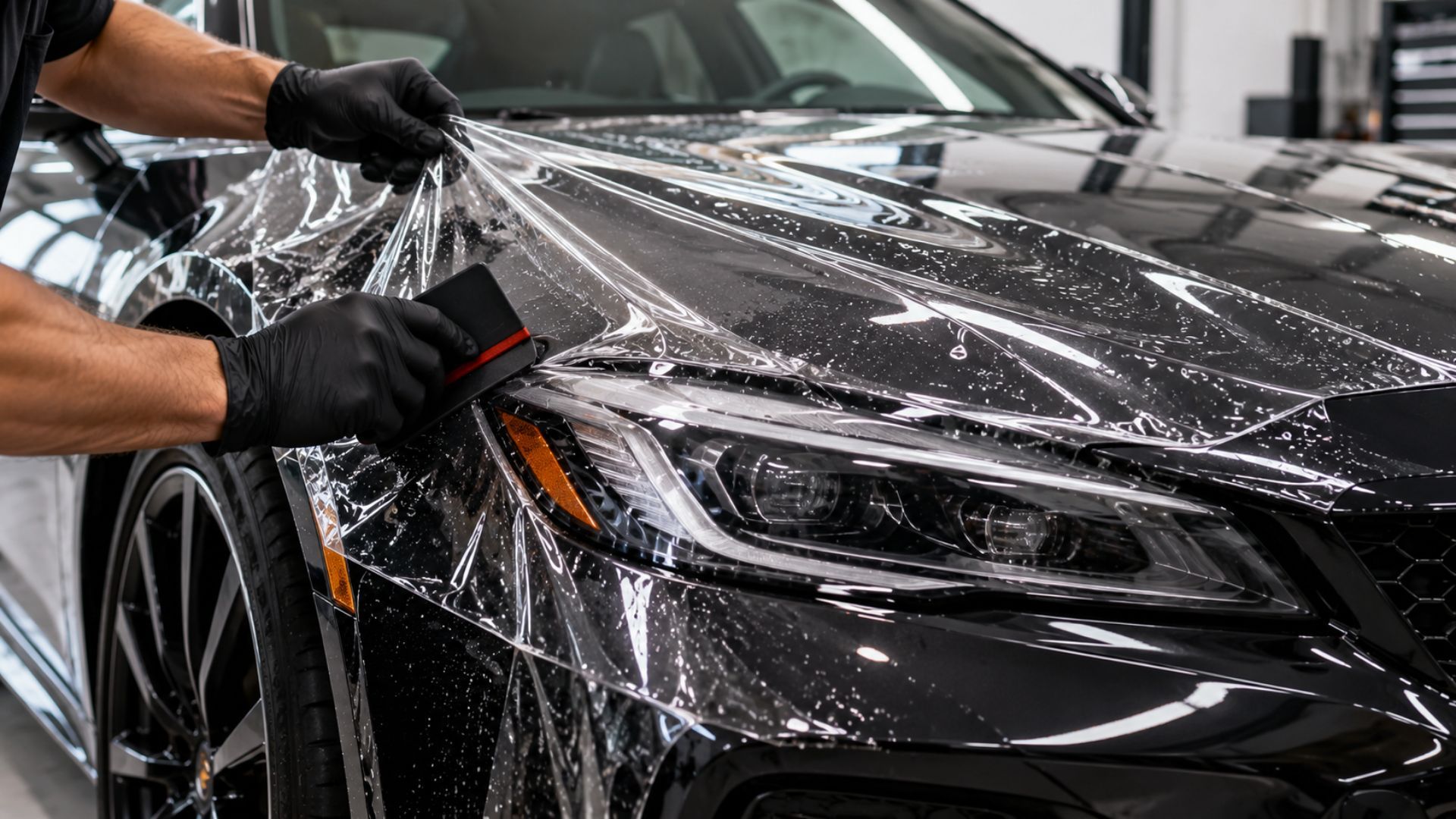
A full-body PPF installation typically covers the hood, bumpers, fenders, doors, roof, trunk or tailgate, and other painted exterior panels.
This approach extends physical protection beyond the surfaces most likely to receive highway debris. It can also help protect against minor abrasion from everyday contact, washing, and certain parking-related incidents.
Full-body coverage is particularly attractive to owners who want consistent protection across the vehicle rather than distinguishing between high-risk and lower-risk panels.
Partial PPF Coverage
Partial protection focuses on specific panels, often including the front bumper, hood, mirrors, and front fenders.
Some owners also choose rocker panels, lower doors, rear wheel arch areas, or other surfaces that receive frequent contact with road debris.
The advantage is flexibility. Instead of covering the entire vehicle, you can concentrate your investment on the areas where physical damage is most likely.
Neither approach is inherently the right choice for everyone. Full-body PPF provides broader coverage, while partial PPF can offer excellent practical value when protection is prioritized strategically.
Which Parts of Your Car Are Most Vulnerable Without PPF?
The front bumper, hood, front fenders, and side mirrors are generally the most vulnerable areas because they directly encounter airborne debris. Lower body panels can also receive considerable wear from material thrown by the tires.
For Cedar Park drivers, the pattern of damage often depends on the vehicle's shape and the roads it travels.
Front-Facing Panels
The bumper and leading edge of the hood frequently absorb impacts from gravel and small stones. Vehicles regularly traveling US-183 or commuting toward Austin can accumulate these marks over time, particularly when following surrounding traffic at highway speeds.
Front fenders and mirrors face similar exposure, although the exact impact areas vary by body design.
Lower Bodywork
Rocker panels and lower doors can develop abrasion from sand, gravel, and other material kicked up by the tires. Trucks, SUVs, and vehicles with wider wheel setups may experience greater exposure in these areas.
Doors and Rear Panels
Doors, rear quarter panels, and other side surfaces generally receive fewer direct highway impacts than the front end. However, they can still experience scratches from incidental contact, improper washing, or debris.
This distinction matters when deciding whether full-body coverage is necessary. Protecting the front end addresses some of the most common road hazards, while extending PPF to the rest of the vehicle adds protection against a broader range of everyday contact.
Does Cedar Park Driving Justify Full-Body Paint Protection Film?
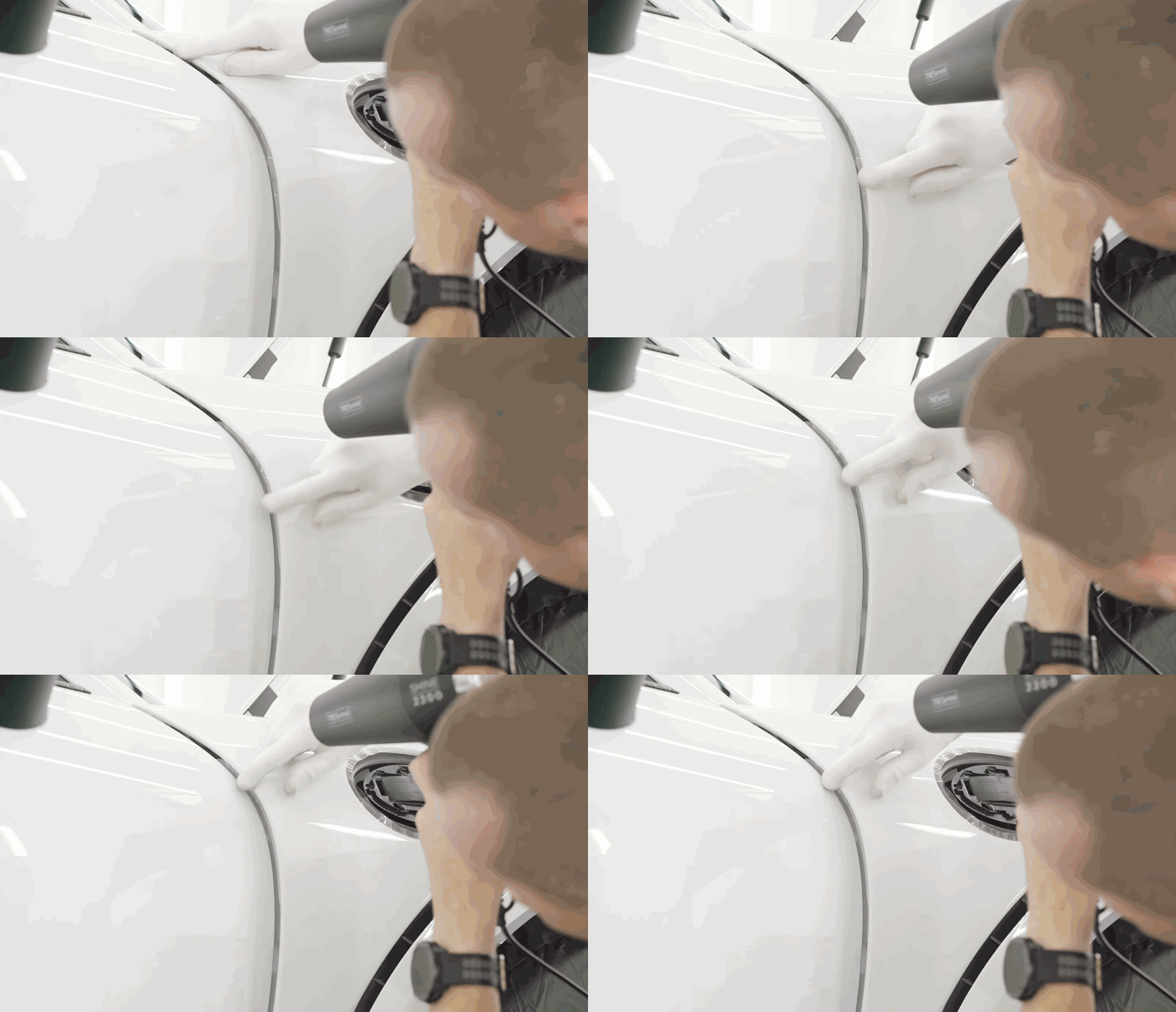
Cedar Park driving conditions can justify full-body PPF for some owners, but frequent highway travel alone does not automatically make complete coverage necessary. The most appropriate package depends on where the vehicle encounters damage and how much protection the owner expects.
Local conditions create several different types of exposure.
US-183 carries regular commuter traffic toward Austin, where vehicles can encounter small stones and other debris at highway speeds. FM 1431 and roads near ongoing development may present additional exposure to loose gravel and construction-related material.
Central Texas also brings strong sunlight, seasonal pollen, insects, and dust. While paint protection film provides a physical barrier and many products offer resistance to certain environmental contaminants, PPF does not eliminate the need for washing or prevent every form of staining.
For Blue Ocean Auto Spa, the important distinction is between exposure that calls for physical protection and contamination that primarily requires regular maintenance.
A vehicle accumulating substantial highway mileage may benefit greatly from full-front PPF without necessarily needing its roof and every door covered. On the other hand, an owner who wants protection against minor contact across the entire exterior may find full-body coverage more appealing.
Cedar Park's roads help determine where protection is valuable, but your ownership goals ultimately determine how much coverage makes sense.
Is Full-Front PPF Enough for a Daily Driver?
Full-front PPF is often enough for a daily driver whose main concern is preventing rock chips and other damage from highway debris. It protects many of the surfaces facing the highest impact exposure while leaving lower-risk panels uncovered.
A typical full-front package includes the front bumper, full hood, front fenders, and side mirrors. Compared with partial-hood protection, covering complete panels can also avoid visible film transition lines across the middle of the hood or fenders.
For someone commuting from Cedar Park toward Austin several days a week, this level of coverage may address the most consistent source of physical paint damage.
What Kind of Paint Damage Concerns You Most?
Choose your biggest concern to see whether full-front PPF addresses it or if additional coverage may be useful.
Full-Front PPF Is a Practical Starting Point
For drivers primarily concerned about stones and highway debris, full-front coverage focuses on the painted surfaces that face frequent direct impacts.
The front bumper, full hood, front fenders, and mirror caps receive physical film protection.
Doors, rocker panels, rear quarter panels, and other areas outside the selected package remain unprotected.
This is general coverage guidance. The right package depends on vehicle design, driving conditions, and the specific panels included. PPF cannot prevent every kind of damage.
Still, full-front protection has limitations. Doors, rocker panels, rear quarter panels, and other uncovered surfaces remain exposed to scratches and abrasion.
That doesn't make the package inadequate. It simply means the owner is prioritizing the areas most likely to receive road impacts rather than purchasing comprehensive exterior protection.
The best PPF coverage is not necessarily the package with the most film. It's the one that matches the damage you're most concerned about preventing.
How Much More Does Full-Body PPF Cost Than Partial Coverage?
Full-body PPF costs considerably more than partial coverage because it requires more material, installation time, and preparation across a larger number of panels. The difference also depends on vehicle size, body complexity, film selection, and the condition of the paint.
A full-body installation involves surfaces that aren't included in conventional front-end packages, such as doors, roof panels, rear quarter panels, and the trunk or tailgate. Each additional panel requires careful preparation, positioning, and finishing.
Several factors influence the overall investment:
- Vehicle size: Larger sedans, trucks, and SUVs generally require more film than compact vehicles.
- Body design: Complex bumpers, recessed areas, and pronounced curves can increase installation time.
- Paint condition: Existing imperfections may need attention before the film is applied.
- Film selection: Different PPF products offer varying finishes, surface properties, and warranty terms.
- Coverage details: Additional areas, custom edges, and specialized installations can affect the final estimate.
When comparing PPF packages, consider the value of the additional protected surfaces rather than looking exclusively at the price difference.
A larger investment makes sense when those extra panels face meaningful exposure or when preserving the entire exterior is a personal priority. Otherwise, a smaller package may deliver a better balance between protection and cost.
Should You Choose Full-Body PPF for a New or Used Car?
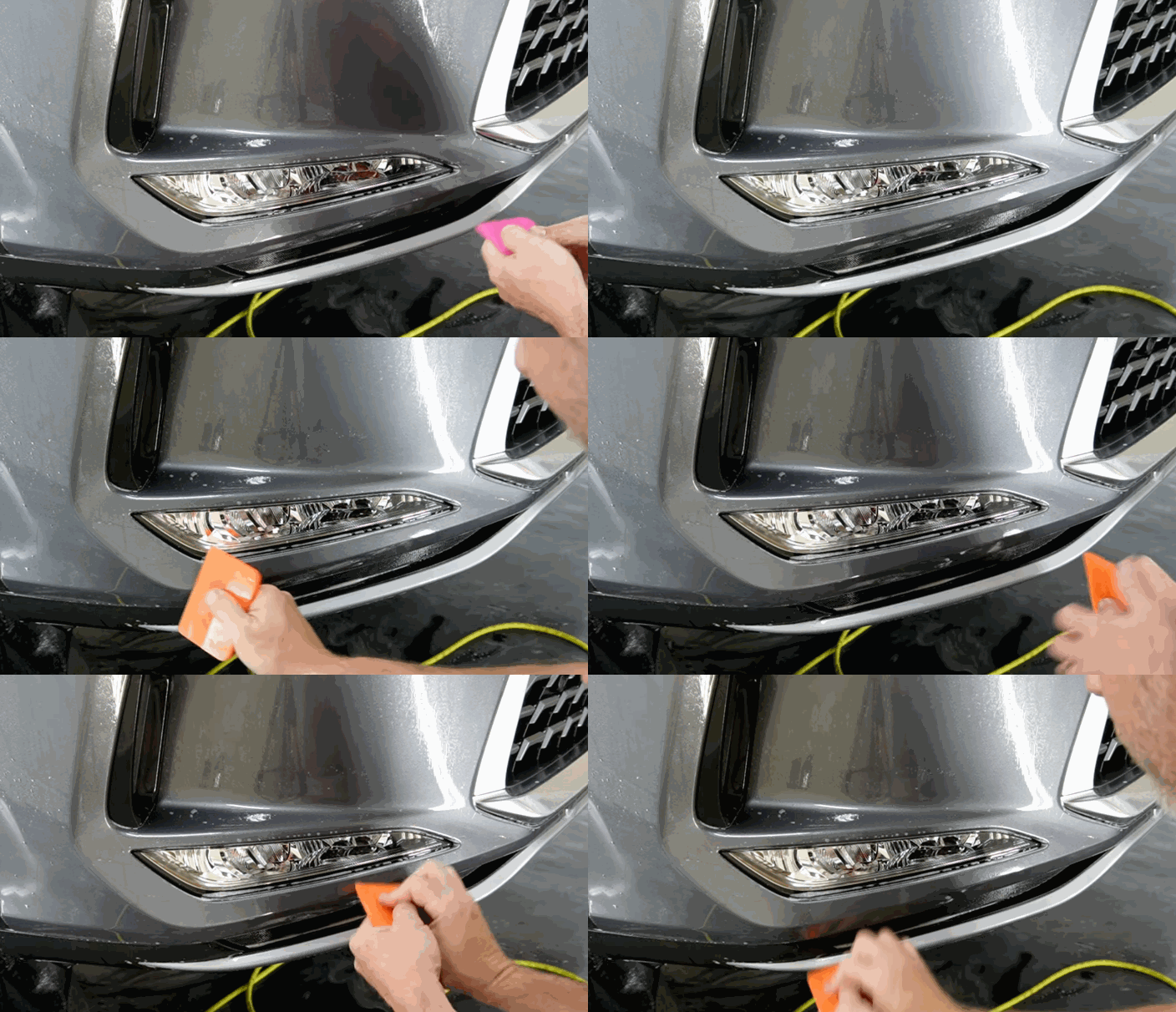
Full-body PPF can be worthwhile for both new and used vehicles, although the paint's existing condition plays an important role in the decision. Newer vehicles offer an opportunity to preserve a relatively fresh finish, while used cars may require additional preparation before installation.
New Cars: Protecting the Finish Early
Installing PPF shortly after purchasing a vehicle can reduce the amount of wear the paint experiences before protection is applied.
However, new paint is not automatically flawless. Transportation, dealership preparation, and previous washing can leave minor defects that deserve inspection.
For owners planning to keep a new vehicle for several years, comprehensive coverage may be appealing because it protects the finish from an early stage of ownership.
Used Cars: Evaluating the Existing Paint
Used vehicles can also benefit from paint protection film, particularly when the original finish remains in good condition.
The difference is that existing scratches, rock chips, and other imperfections need to be evaluated before installation. PPF does not repair damaged paint, and certain defects may remain visible beneath transparent film.
At
Blue Ocean Auto Spa, we consider the vehicle's current condition alongside its future use. Protecting a well-maintained used car can make sense, but the preparation requirements and expected results should be understood before selecting full-body coverage.
Can You Combine Full-Front PPF With Additional High-Impact Areas?
Yes. Combining full-front PPF with selected additional panels is often a practical alternative to full-body protection. This approach allows owners to expand coverage beyond the front end without applying film to every painted surface.
For example, a Cedar Park driver with a pickup truck may want full-front protection along with rocker panels and lower doors. A sports car with wide rear tires may benefit from additional film around the rear wheel arches.
The advantage is customization. Instead of choosing between two fixed packages, you can build a protection plan around the vehicle's design and how it is driven.
Extended PPF coverage is particularly useful when specific panels experience more wear than others. It also provides flexibility for owners who want meaningful protection but do not consider full-body installation necessary.
Conclusion: Does Your Vehicle Really Need Full-Body PPF in Cedar Park?
Full-body PPF is worth considering when you want comprehensive protection for your vehicle's original paint, but it isn't essential for every Cedar Park driver. Full-front or extended high-impact coverage can be a more practical choice when your primary concerns are rock chips, highway debris, and everyday abrasion.
Your vehicle's age, paint condition, mileage, parking environment, and ownership plans should all influence the decision. A new luxury vehicle, daily commuter, and work truck may benefit from very different protection strategies.
At Blue Ocean Auto Spa, we help Cedar Park drivers compare full-body paint protection film, full-front packages, and customized coverage based on their actual needs. We can evaluate your vehicle and explain which areas are most likely to benefit from protection.
Find the Right PPF Coverage for Your Vehicle
Contact us today to discuss your PPF options and receive a personalized recommendation for your vehicle in Cedar Park, TX. Our goal is to help you preserve your paint with coverage that makes sense for how you drive, without recommending unnecessary extras.
The right amount of PPF is the coverage that protects what matters most to you.
Blue Ocean Auto Spa
5.0 ⭐⭐⭐⭐⭐ 226 Google reviews
Car detailing service in Cedar Park, Texas
Address:
1001 Doris Ln, Cedar Park, TX 78613, United States
Phone: +1 512-496-4296