How Cedar Park Roads Damage Your Car Paint
Highway driving, construction zones, gravel, and airborne debris gradually wear away your vehicle's finish throughout Cedar Park. While paint correction can restore many surface imperfections, paint protection film helps prevent future damage, making the two services valuable long-term solutions for preserving your vehicle's appearance.
How Do Cedar Park Roads Damage Your Car's Paint?
Daily driving gradually exposes your vehicle's paint to road debris, contaminants, and constant abrasion that slowly wear away the finish. Most paint damage doesn't happen from one major impact. Instead, it develops through thousands of miles of normal Cedar Park driving.
Roads like US-183 and FM 1431 carry steady traffic throughout the day, and many surrounding areas continue to see ongoing construction and development. Every passing truck, construction entrance, and loose section of pavement creates opportunities for tiny rocks and debris to become airborne. Even particles that seem insignificant can leave behind small imperfections after repeated exposure.
Road grime adds another layer of stress. Dust, dirt, insects, pollen, and contaminants settle onto the paint, where they remain until removed. Combined with direct sunlight and changing weather conditions, these materials slowly affect the appearance of the finish.
This is one reason vehicle paint protection becomes increasingly important for drivers who spend a lot of time on local roads. Paint protection film helps absorb much of the daily abuse before it reaches the paint itself, allowing the original finish to remain in better condition over the long term.
What Types of Paint Damage Are Most Common Around Cedar Park?
Rock chips, swirl marks, light scratches, bug residue, and environmental contamination are among the most common forms of vehicle paint damage seen on vehicles throughout Cedar Park. While each develops differently, they all share one characteristic: they usually become worse gradually rather than appearing overnight.
Some of the most common issues include:
- Rock chip damage caused by loose gravel and highway debris
- Swirl marks created during improper washing or drying
- Fine scratches from dust, dirt, and everyday contact
- Bug residue that remains on the paint too long and begins affecting the surface
- Environmental contamination from pollen, tree sap, bird droppings, and industrial fallout
Central Texas conditions accelerate many of these problems. Vehicles that spend long hours parked outdoors are exposed to UV radiation, airborne dust, and frequent temperature changes, while regular commuting adds another layer of road-related wear.
Fortunately, many of these surface imperfections respond well to paint correction. Although it cannot repair every form of damage, it remains one of the most effective methods for improving paint that has gradually lost its original clarity and gloss.
Why Does Highway Driving Cause More Paint Damage?
Highway driving causes more paint damage because debris strikes your vehicle with much greater force at higher speeds. Even small particles that might seem harmless at lower speeds can create noticeable damage when combined with highway velocity.
Every commute between Cedar Park and Austin exposes your vehicle to conditions that are different from neighborhood driving. Loose gravel, construction materials, tire fragments, sand, and other airborne particles are constantly being thrown into traffic by surrounding vehicles. Large trucks can make this even more noticeable by kicking up debris from the road surface.
A few common contributors to highway paint damage include:
- Loose gravel scattered near construction areas
- Airborne debris created by heavy truck traffic
- Sand, dust, and small stones lifted from roadway shoulders
- Construction materials entering traffic from active work zones
- Continuous impacts during long-distance commuting
Most drivers don't notice this process happening because the damage accumulates little by little. A single drive rarely changes the appearance of the vehicle, but months or years of highway travel often tell a different story.
At Blue Ocean Auto Spa, we frequently recommend paint protection film for drivers who regularly travel between Cedar Park and Austin because road debris protection becomes much more valuable when those daily highway miles begin adding up.
Can Paint Correction Fix Every Type of Paint Damage?
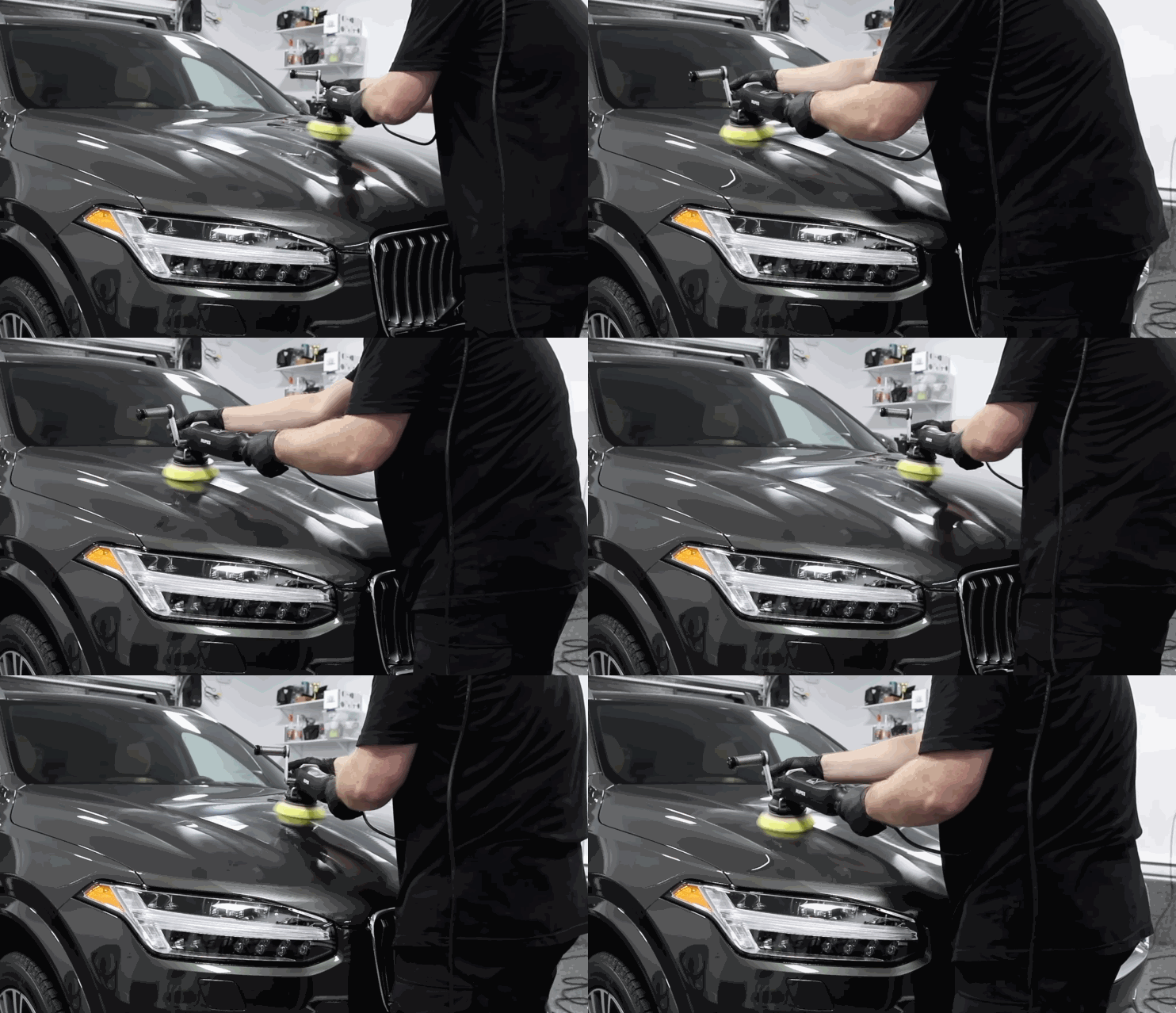
No. Paint correction removes many surface imperfections, but it cannot repair missing paint, deep rock chips, or damage that extends beyond the clear coat. Understanding that distinction helps set realistic expectations before any work begins.
Paint correction services are designed to refine the existing finish by removing defects that exist within the upper layers of the clear coat. Swirl marks, light scratches, oxidation, water spots, and surface haze can often be significantly reduced or eliminated through professional polishing techniques. These improvements restore clarity, gloss, and overall appearance without changing the original paint.
Deep chips tell a different story. Once paint has been physically removed by road debris, polishing cannot replace material that is no longer there. In those situations, touch-up work, repainting, or other repair methods may be necessary before considering additional protection.
The same principle applies to more severe scratches. If a defect extends through the clear coat and into the color coat or primer, paint correction alone will not completely remove it. It may reduce its appearance, but complete restoration often requires another approach.
Knowing what paint correction can realistically accomplish is one of the most important parts of planning any paint restoration project. Once existing imperfections have been properly evaluated, it becomes much easier to determine whether correction alone is sufficient or whether combining it with paint protection film will provide the best long-term outcome.
Which Parts of Your Vehicle Are Most Vulnerable to Road Damage?
Some parts of your vehicle receive far more impacts than others simply because of where they're positioned. These high impact areas are constantly exposed to rocks, debris, insects, and contaminants thrown up by the road, making them the first places where paint damage usually appears.
The areas that typically benefit most from paint protection film coverage include:
- Front bumper, which takes the majority of direct impacts from road debris
- Hood, especially the leading edge where rocks commonly strike
- Front fenders, exposed to debris kicked up by your own tires and surrounding traffic
- Side mirrors, which are constantly hit by insects and airborne particles
- Rocker panels behind the wheels, where gravel and road debris frequently collect
The good news is that protecting your entire vehicle isn't always necessary to achieve meaningful results. Many drivers choose front end protection because these panels absorb the vast majority of everyday impacts. By focusing protection where damage is most likely to occur, it's possible to significantly reduce future paint repairs while preserving the areas that experience the greatest amount of wear.
How Does Paint Protection Film Help Reduce Everyday Damage?
Paint protection film acts as a sacrificial barrier between your vehicle's paint and the hazards it encounters every day. Instead of allowing debris, insects, and contaminants to strike the paint directly, the film absorbs much of that impact before it reaches the original finish.
That protective layer helps defend against many of the issues Cedar Park drivers encounter most often. Small rocks that might otherwise leave chips, bug acids that can etch into the surface, and light scratches from road debris all come into contact with the film first rather than the paint itself.
Modern paint protection film has also advanced considerably over the years. Many premium products now feature self healing PPF technology, allowing minor surface marks and swirl marks within the film to fade when exposed to warmth. This helps the film maintain a cleaner appearance while continuing to protect the paint underneath.
Durability is another major advantage. Quality materials are designed to withstand years of highway driving, UV exposure, and changing weather conditions without significantly affecting the appearance of the vehicle.
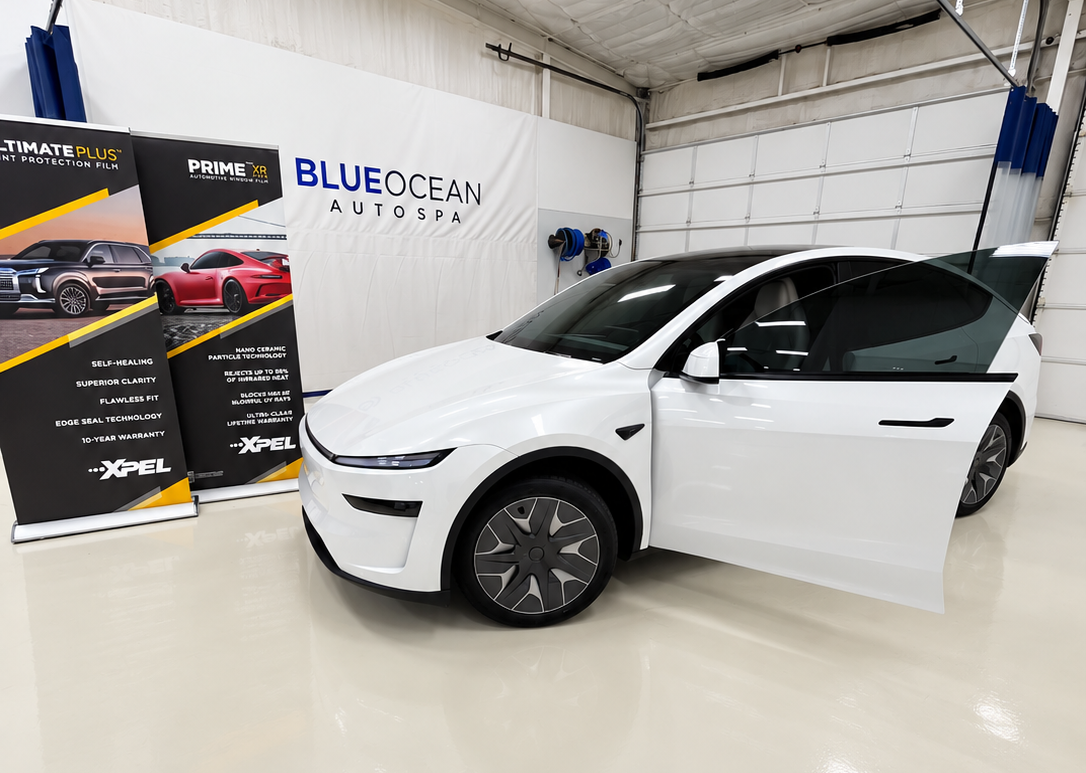
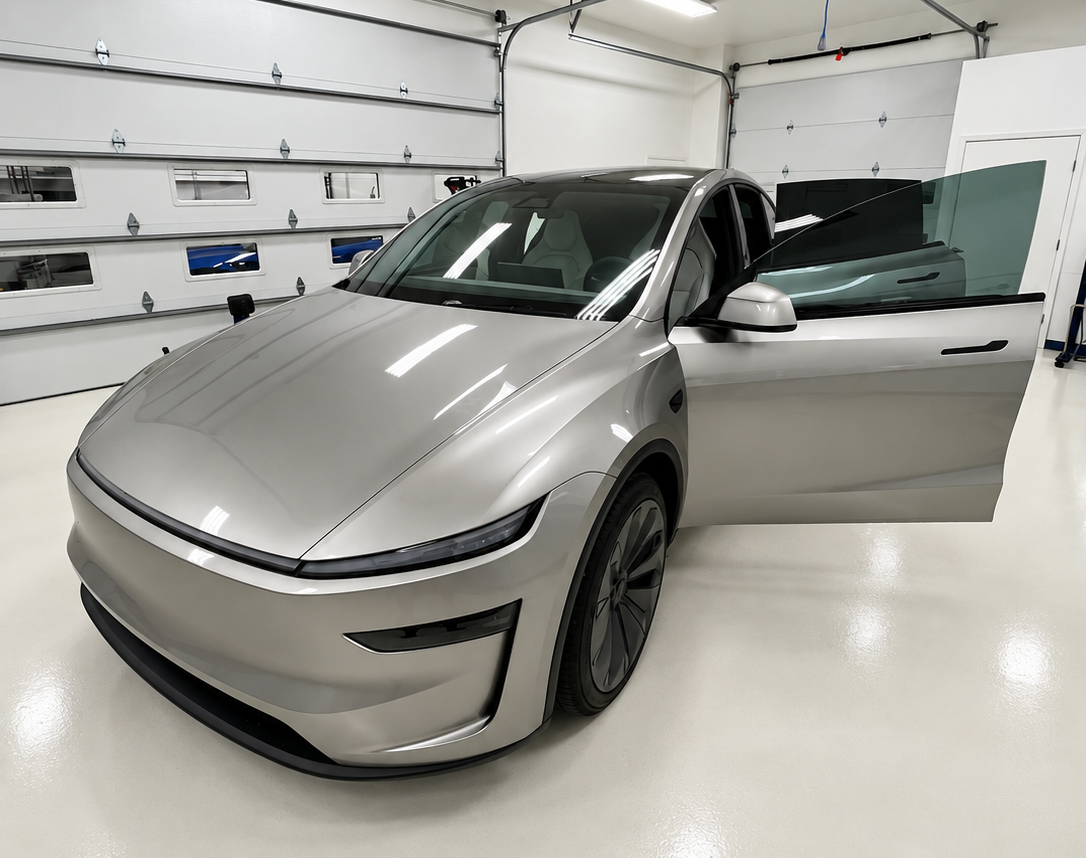
At Blue Ocean Auto Spa, we believe the installation process is every bit as important as the material itself. A professional PPF installation ensures proper alignment, secure edges, and long-term performance, allowing the film to protect your vehicle the way it was designed to.
When Should You Choose Paint Correction Instead of Paint Protection Film?
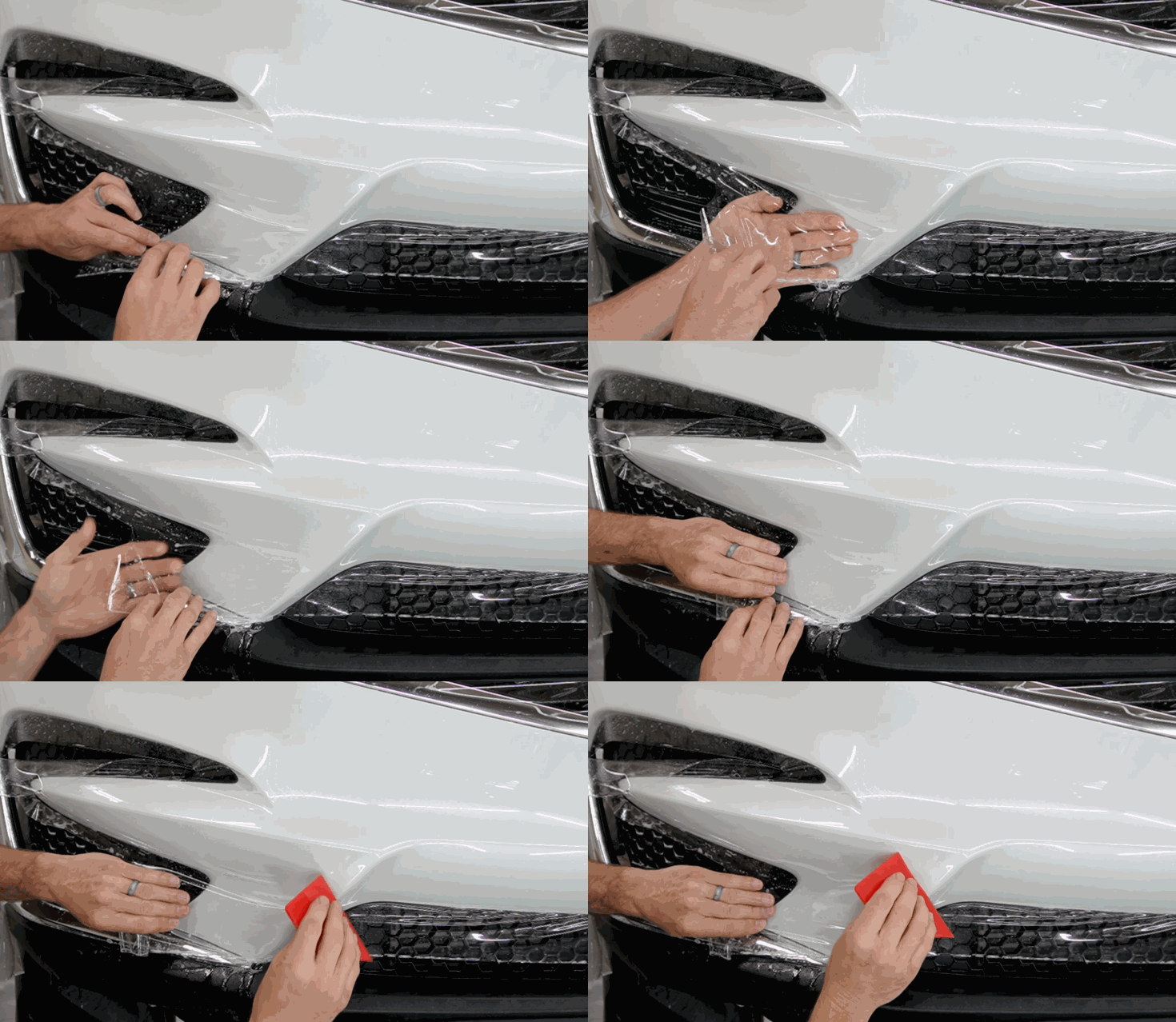
Paint correction and paint protection film solve different problems, and in many cases they work best together rather than replacing one another. One restores existing paint, while the other helps preserve that improved finish moving forward.
If your paint already has swirl marks, oxidation, or light scratches, paint correction Cedar Park services are typically the appropriate starting point because they improve the condition of the surface before additional protection is added.
Paint protection film serves a different purpose. Instead of repairing existing damage, it helps reduce the likelihood of future chips, scratches, and road-related wear by creating a protective layer over the paint.
Many vehicles benefit from combining both services. A common approach is to restore the finish first through vehicle paint restoration techniques and then install paint protection film to help preserve those results for years to come.
At Blue Ocean Auto Spa, we don't look at paint correction vs paint protection film as competing solutions. We evaluate each vehicle individually and recommend the combination that best matches its condition, how it's driven, and the owner's long-term goals.
Is Paint Protection Worth It for Daily Drivers in Cedar Park?
Yes. Drivers who regularly commute through Cedar Park or spend time on highways often experience the greatest long-term value from paint protection. The more time a vehicle spends exposed to road debris, construction areas, and high-speed traffic, the more opportunities there are for paint damage to occur.
Over the years, even small chips and scratches begin adding up. Preventing that gradual wear can help reduce future repair costs while keeping the vehicle looking newer for longer. That's particularly valuable for owners who plan to keep their vehicles for many years or who want to preserve resale value.
Another benefit that isn't always obvious at first is consistency. Instead of periodically repairing new damage, many owners simply enjoy knowing the most vulnerable areas of their vehicle already have an added layer of protection.
From our experience, the paint protection film benefits become more noticeable with time rather than immediately after installation. Long term paint protection isn't about preventing every possible mark. It's about dramatically reducing the cumulative damage that naturally develops through years of Cedar Park vehicle protection and everyday driving.
Conclusion: How Can You Keep Your Paint Looking New Longer?
Keeping your paint looking its best starts with understanding what your vehicle faces every day. Cedar Park roads, highway miles, construction activity, and airborne debris gradually wear away even well-maintained finishes, often without drivers realizing how much damage is accumulating over time.
Fortunately, there are effective ways to address both existing and future damage. Paint correction restores many of the imperfections that have already developed, while paint protection film helps reduce new chips, scratches, and wear before they happen. Together, they provide a practical approach to preserving both appearance and long-term value.
At Blue Ocean Auto Spa, we take the time to evaluate every vehicle individually because no two paint surfaces or driving habits are exactly alike. The right solution always begins with understanding the condition of your vehicle and how you use it throughout Cedar Park and the surrounding area.
If you'd like to protect your vehicle before everyday driving leaves a lasting mark,
contact Blue Ocean Auto Spa today to schedule a professional paint evaluation and paint protection consultation in Cedar Park. Investing in your paint now helps preserve the finish you'll continue enjoying for years to come.
Blue Ocean Auto Spa
5.0 ⭐⭐⭐⭐⭐ 226 Google reviews
Car detailing service in Cedar Park, Texas
Address:
1001 Doris Ln, Cedar Park, TX 78613, United States
Phone: +1 512-496-4296