How Long Does Ceramic Coating Last in Texas Heat? What to Expect
Here in Texas, ceramic coating has become one of the most talked-about ways to protect a car’s paint. From Houston to Dallas, more drivers are looking into this option to keep their vehicles looking sharp, even under the toughest conditions. But with the Texas heat pushing triple digits in the summer, many people wonder how long a ceramic coating application can really last in this climate. That’s exactly what we want to clear up, sharing our experience and giving you an honest idea of what to expect.
What Is Ceramic Coating and Why Do Texas Drivers Choose It?
Ceramic coating is a liquid polymer that bonds to your car’s clear coat, creating a durable layer of paint protection. Unlike wax or sealants that sit on the surface, ceramic coating forms a semi-permanent shield that enhances gloss, repels water, and defends against contaminants.
For drivers in Texas, this protection isn’t just a luxury, it’s a practical solution. The combination of intense UV rays, dry stretches of weather, and sudden thunderstorms makes paint care a constant challenge. A professional ceramic coating application helps combat:
- UV defense: Prevents fading and oxidation caused by prolonged sun exposure.
- Dust and pollen buildup: Keeps the surface smoother, so your vehicle stays cleaner between washes.
- Water spots and storm residue: Hydrophobic properties make rainfall bead off quickly.
- Gloss enhancement: Delivers a deep shine that outlasts traditional waxing.
That’s why so many Texas car owners, from daily commuters in Austin traffic to weekend cruisers in San Antonio—choose ceramic coating as a long-term investment in their vehicle’s appearance.
How Long Does Ceramic Coating Typically Last?
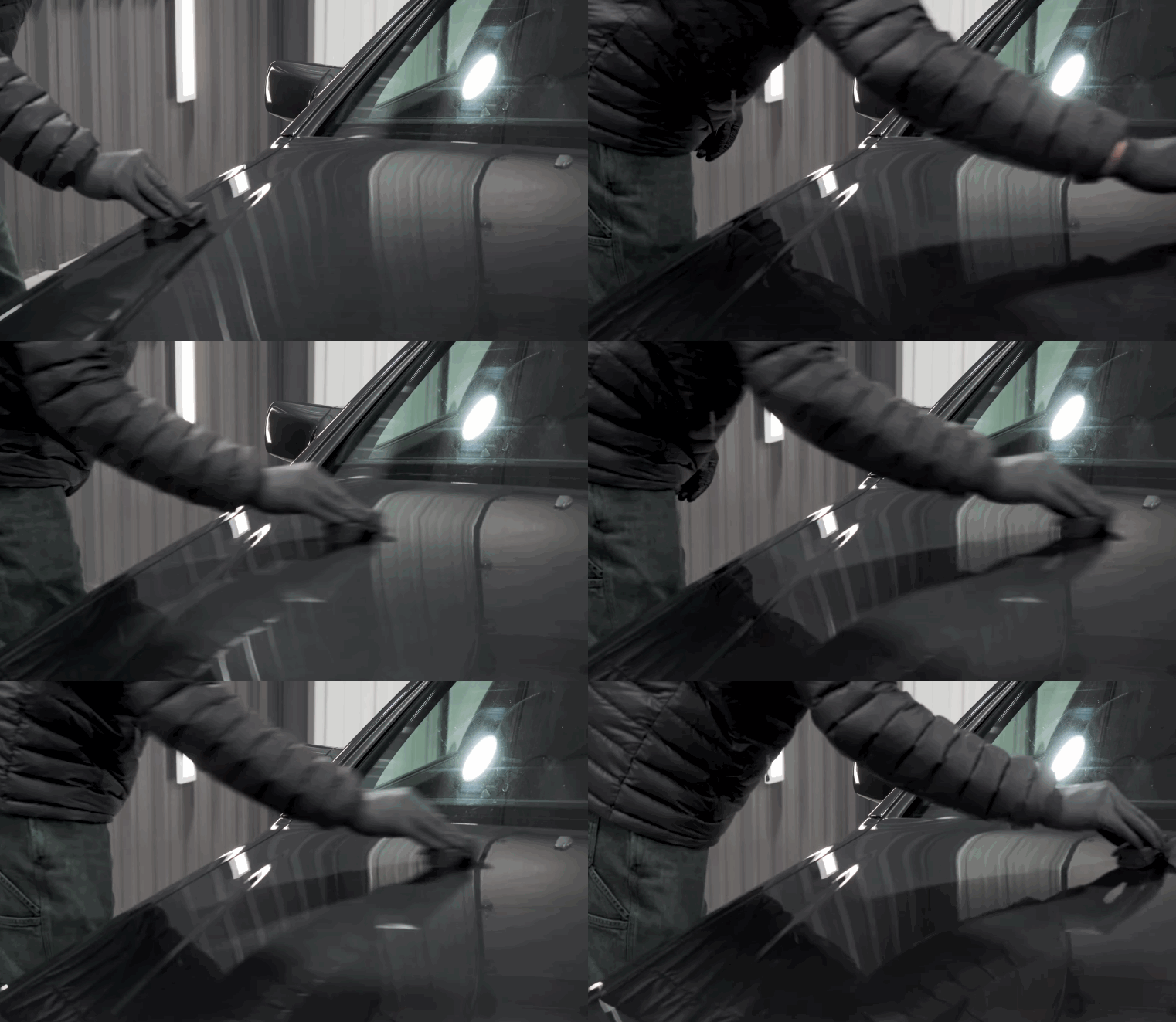
On average, ceramic coatings last anywhere from 2 to 5 years, depending on the quality of the product and the care it receives. Some high-end formulas, when paired with expert installation and consistent maintenance, can even go beyond that range.
The truth is, longevity isn’t just about the coating itself, it’s about the ceramic coating application process and the way the vehicle is cared for afterward. A professional installation ensures the surface is properly prepped and the coating bonds as it should. From there, regular washes with pH-neutral products and mindful habits (like avoiding harsh cleaners) extend the lifespan.
That said, we can’t ignore the Texas factor. The relentless summer sun, with days over 100°F, is harsher than in many other states. That means coatings here may need extra care to reach their full potential compared to milder climates. Still, when properly maintained, ceramic coating remains one of the most durable and effective forms of paint protection available for Texas drivers.
The Texas Heat Factor: What Makes It Different?
When it comes to ceramic coating in Texas, the environment plays a big role in how the coating performs. Unlike states with milder conditions, Texas drivers face unique challenges that can test the durability of any protective layer.
- High UV exposure: In cities like Dallas, Austin, and San Antonio, summer temperatures often climb well into the 100s. Constant sun exposure accelerates paint oxidation, but ceramic coating adds a crucial UV barrier that slows down fading and damage.
- Dust and pollen: From rural roads in West Texas to suburban areas near Houston, dust and seasonal pollen are everywhere. These contaminants stick to paint and can create fine scratches during cleaning. A ceramic coating helps reduce adhesion, making washing easier and safer for your paint.
- Sudden storms and humidity: Near the Gulf Coast, rain showers and heavy humidity can leave behind water spots and mineral deposits. The hydrophobic properties of ceramic coatings make water bead off quickly, reducing the risk of etching and staining.
These conditions highlight why Texas drivers benefit so much from a proper ceramic coating application, it’s not just about looks, but about year-round protection against a tough climate
Key Factors That Influence Ceramic Coating Longevity in Texas
Not all ceramic coatings, or applications, are the same. The lifespan of your coating in Texas depends on a mix of factors:
- Quality of the product: Professional-grade ceramic coatings are designed to withstand harsh elements much better than consumer-level options.
- Professional vs DIY application: A proper ceramic coating application requires surface correction, precise layering, and curing time. DIY shortcuts often reduce durability.
- Maintenance habits: Regular washes with pH-neutral soaps help maintain the coating’s hydrophobic properties and prevent buildup of contaminants.
- Parking habits: Cars parked outdoors, especially under direct sunlight, will see faster wear than those stored in garages.
- Driving environment: City traffic exposes vehicles to brake dust and pollution, while highway driving can mean more rock chips and bug splatter. Each requires consistent upkeep to protect the coating.
Maintenance Tips for Texas Drivers
To get the most out of your ceramic coating in Texas, a few simple habits go a long way. Think of it as light upkeep that protects your long-term investment.
- Wash regularly during dusty seasons: In spring and early summer, when pollen levels rise, aim for more frequent washes to prevent buildup.
- Protect against storms and road grime: After heavy rain, rinse your car to remove mineral deposits and mud that can dull the coating.
- Use the right tools: Stick to microfiber towels and soft wash mitts to avoid scratches. Always pair them with pH-neutral soaps designed for coated vehicles.
- Remember it’s low-maintenance, not no-maintenance: Ceramic coating makes cleaning easier, but it doesn’t eliminate the need for care. A little consistency ensures the coating lasts through Texas summers.
With these practices, Texas drivers can keep their vehicles shining while getting the maximum lifespan from a ceramic coating application.
Common Misconceptions About Ceramic Coating in Texas
When drivers hear about ceramic coating, a few myths tend to come up, especially here in Texas where the weather can be unpredictable. Let’s clear up some of the biggest ones we hear in our shop:
- Myth: Ceramic coating makes cars “maintenance-free.”
While ceramic coating makes cleaning easier, it doesn’t mean your vehicle will never need a wash again. Dust, pollen, and road grime will still land on your paint. The difference is, they won’t bond as stubbornly, and cleaning becomes quicker and safer. - Myth: Heat alone will destroy the coating in months.
Texas heat is no joke, but a professionally installed ceramic coating application is designed to handle high temperatures. The sun won’t “burn off” the coating in a few months, though it can shorten its lifespan if paired with poor maintenance or constant outdoor exposure. With proper care, your coating can last years, even in triple-digit summers.
Signs Your Ceramic Coating Needs Attention
Like any protective layer, ceramic coating gives subtle signs when it’s starting to wear down. Texas drivers should watch out for:
- Reduced water beading: If rainwater stops forming tight beads and begins spreading out, the hydrophobic effect is weakening.
- Loss of gloss: When your paint starts looking flat or dull compared to how it looked right after the coating was applied.
- Stubborn stains or etching: Marks from bird droppings, water spots, or tree sap that don’t come off with a normal wash.
When these signs show up, it might be time to refresh the coating, or in some cases, reapply entirely. Addressing these early helps maintain your paint’s long-term health.
Conclusion:
Is Ceramic Coating Worth It for Texas Drivers?
At the end of the day, ceramic coating is one of the best defenses against the challenges of Texas driving, scorching sun, dust, sudden storms, and everything in between. While no product is truly maintenance-free, ceramic coating offers durability, easier cleaning, and long-lasting shine that standard waxes can’t match.
The biggest factor in how long it lasts comes down to the quality of the ceramic coating application. A professional installation ensures the coating bonds properly and is prepped to face the Texas climate. Paired with some simple upkeep, your car can stay protected and looking its best for years.
At Blue Ocean Auto Spa, we’ve seen firsthand how ceramic coating transforms the way drivers in Texas care for their vehicles. If you’re ready to extend your car’s life and appearance,
our team is here to help with expert installation and personalized advice.
Blue Ocean Auto Spa
5.0 ⭐⭐⭐⭐⭐ 92 Google reviews
Car detailing service in Cedar Park, Texas
Address:
1001 Doris Ln, Cedar Park, TX 78613, United States
Phone: +1 512-496-4296