Paint Protection Film Cost in Cedar Park, TX: What to Expect
Over the last few years, we’ve seen a noticeable increase in drivers around Cedar Park and the greater Austin area asking about Paint Protection Film. It’s not just luxury car owners anymore. Everyday drivers who want to protect their vehicles long term are starting to understand the value of this type of protection. When someone buys a new car, truck, or SUV, one of the first questions that often comes up is how to keep that factory paint looking clean and damage-free for as long as possible.
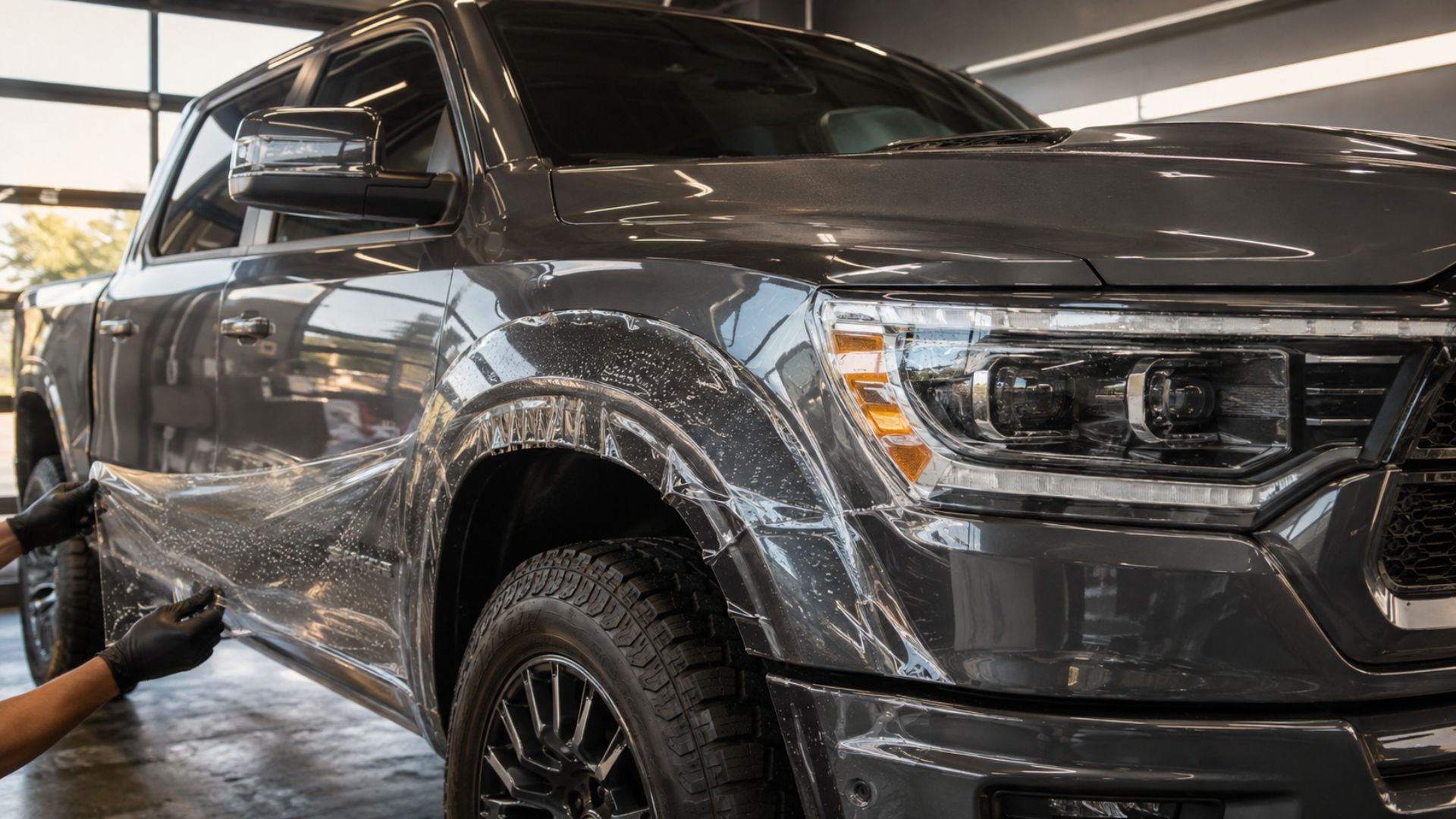
That’s where PPF installation comes into the conversation. Paint Protection Film is a transparent urethane film applied to the painted surfaces of a vehicle to act as a shield against common road hazards. It helps reduce the damage caused by rock chips, road debris, and minor abrasions that can slowly wear down a vehicle’s finish over time. As more drivers learn about the benefits, it’s becoming a popular option for anyone who wants to maintain the appearance of their car.
Driving conditions here in Central Texas also play a big role. Cedar Park drivers deal with intense sun, long highway commutes, and plenty of road debris kicked up from busy routes around the Austin metro area. Gravel, loose asphalt, insects, and everyday driving wear can gradually affect even the best factory paint. Vehicles parked outside for long periods are also exposed to strong UV rays that can fade paint over time.
Another important thing to understand is that PPF installation cost can vary depending on several factors, including how much of the vehicle you want protected and the complexity of the installation. Throughout this article, we’ll walk through what influences pricing, what different coverage options look like, and what drivers in Cedar Park can realistically expect when considering Paint Protection Film for their vehicle.
What Paint Protection Film Actually Does for Your Vehicle
At its core, Paint Protection Film is designed to act as a protective barrier between your vehicle’s paint and the outside world. The film itself is made from a durable, flexible polyurethane material that is optically clear, which means it protects the paint without changing the look of the vehicle. Once installed, the film becomes almost invisible while still providing an extra layer of defense against daily driving damage.
One of the reasons Paint Protection Film has become so widely used is because it helps address many of the small issues that slowly wear down vehicle paint. Over time, tiny rock chips, scratches from debris, bug splatter, and environmental contaminants can start to affect a vehicle’s finish. These may seem minor at first, but they add up quickly, especially for drivers who spend a lot of time on highways or commute frequently.
Some of the most common areas where automotive paint protection is applied include the front sections of the vehicle that face the most impact from road debris:
- Front bumper where rocks and debris typically make first contact
- Leading edge of the hood where chips commonly occur
- Side mirrors which are exposed to constant airflow and debris
- Rocker panels along the lower sides of the vehicle
- Fender edges that catch road spray from nearby vehicles
These are the areas that tend to take the most abuse during daily driving. By applying clear bra protection in these zones, drivers can significantly reduce the risk of visible paint damage. Instead of the paint taking the hit, the film absorbs the impact and helps keep the vehicle’s finish looking cleaner for longer.
For anyone who takes pride in how their car looks, the paint protection film benefits become clear pretty quickly. The goal isn’t just appearance today, but preserving the paint so the vehicle still looks great years down the road.
Why PPF Makes Sense for Cedar Park Drivers
Living and driving in Cedar Park comes with its own set of challenges when it comes to maintaining a vehicle’s paint. Many drivers commute regularly between Cedar Park and Austin, which means spending a lot of time on fast-moving highways where road debris is unavoidable. Even a short drive can expose your vehicle to gravel, loose asphalt, and small rocks thrown up by other cars.
Roads like 183A Toll Road, FM 1431, and nearby routes connecting Cedar Park to North Austin see constant traffic throughout the week. With trucks, construction vehicles, and everyday commuter traffic moving at highway speeds, it doesn’t take much for small debris to cause chips or scratches on exposed paint surfaces. Over time, those small impacts can start to leave noticeable marks on the front end of a vehicle.
Another factor many drivers here deal with is the Texas climate. Vehicles parked outside during the day face intense sunlight and high temperatures, especially during the summer months. UV exposure can gradually affect paint clarity, while dust, pollen, and environmental contaminants settle on the surface of the vehicle throughout the year.
All of these conditions are exactly why Paint Protection Film has become such a practical solution for drivers in the area. Instead of constantly worrying about every small rock or scratch, the film provides a durable protective layer that absorbs the impact from everyday driving conditions.
For Cedar Park drivers who want their vehicle to maintain its appearance despite highway commutes, unpredictable road debris, and strong Texas sun, PPF installation offers a level of protection that traditional paint protection methods simply can’t match.
Average Paint Protection Film Cost in Cedar Park, TX
One of the most common questions we hear from drivers is simple: how much does Paint Protection Film actually cost? The answer depends on several factors, but the biggest one is the amount of coverage a vehicle receives. Not every car requires the same level of protection, which means PPF installation cost can vary depending on the areas being protected and the complexity of the vehicle.
In general, most protection packages fall into three common categories:
- Partial Front Protection:
This option typically covers the most exposed areas of the vehicle such as the front bumper, a portion of the hood, and sometimes the mirrors.
- Full Front Coverage:
This expands protection to include the full hood, full fenders, bumper, mirrors, and other high-impact areas at the front of the vehicle.
- Full Body Protection:
For maximum coverage, Paint Protection Film can be applied across the entire vehicle, protecting every painted panel.
Beyond coverage level, paint protection film pricing is also influenced by the type of vehicle and the quality of film being used. Larger vehicles or models with complex body lines often require more time and precision during installation. Premium films also include advanced features like self-healing technology and enhanced durability, which can influence overall cost.
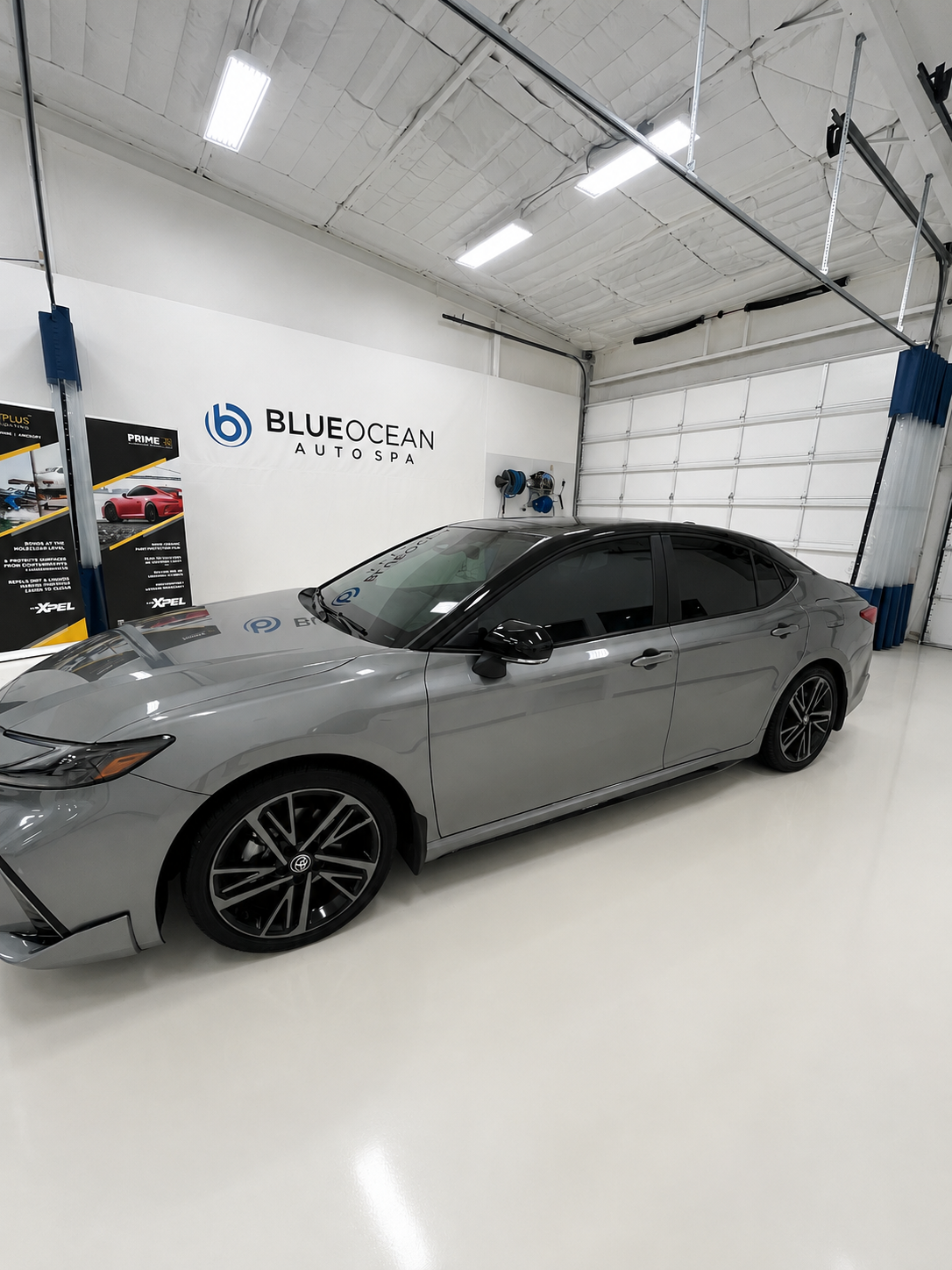
At Blue Ocean Auto Spa, we spend time walking customers through these options so they understand exactly what they’re investing in. Our goal isn’t just installing film, it’s helping drivers choose the level of vehicle protection investment that makes sense for how they actually use their car.
Ultimately, the cost of Paint Protection Film reflects the combination of material quality, installation expertise, and the level of protection a driver wants for their vehicle.
Factors That Influence PPF Installation Pricing
While coverage level plays a major role in pricing, several other factors can affect the final cost of PPF installation. Installing Paint Protection Film properly requires precision, preparation, and experience. Every vehicle presents slightly different challenges, and those differences can impact the amount of work involved.
One of the first things we evaluate during the paint protection film installation process is the condition of the paint itself. If the surface has swirl marks, minor scratches, or contaminants, proper preparation may be necessary before the film can be applied. Paint correction and deep cleaning help ensure the film bonds correctly and that the final result looks flawless.
A few of the key elements that influence professional PPF installation pricing include:
- Vehicle size and surface area being protected
- Complexity of body panels and sharp curves
- Presence of sensors, trim pieces, and emblems
- Paint condition and required surface preparation
- Film type and protective features included
Modern vehicles often have more intricate body designs than older models. Sharp angles, aerodynamic curves, and integrated sensors require careful film placement and precision cutting to ensure everything fits seamlessly. This is why experience matters so much during installation.
At Blue Ocean Auto Spa, we approach each vehicle with a focus on long-term durability and appearance. Proper preparation, careful alignment, and attention to detail all play a role in ensuring that the vehicle paint protection performs exactly as it should for years to come.
Understanding Coverage Options and Their Cost Differences
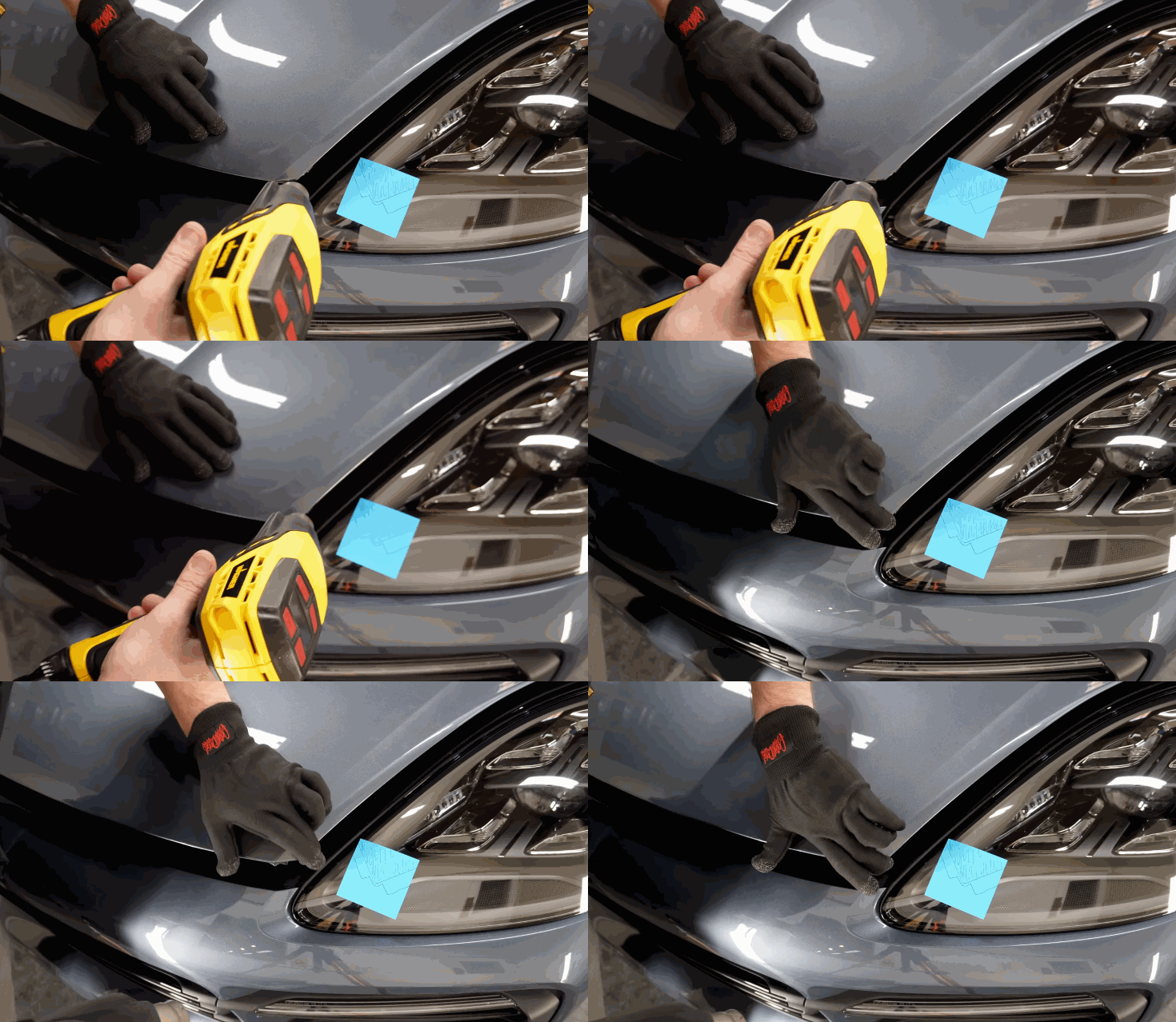
One of the most important things to understand when considering Paint Protection Film is that not every vehicle requires the same level of coverage. Different drivers choose different protection strategies depending on how they use their vehicle, where they drive most often, and how long they plan to keep the car. That’s why PPF installation is typically offered in several coverage options, each designed to protect specific areas of the vehicle.
The areas that usually receive the most damage from road debris are the forward-facing panels. These surfaces are constantly exposed to rocks, gravel, insects, and debris thrown up by other vehicles, especially when driving on busy highways around Cedar Park and the Austin metro area.
The most common Paint Protection Film coverage options include:
- Partial Front Protection
– Typically covers the front bumper, part of the hood, and sometimes the mirrors. This option focuses on basic
front end protection
where most rock chips occur.
- Full Front Coverage
– Expands protection to include the full hood, full fenders, bumper, and mirrors. This is one of the most popular options for protecting
high impact areas
on vehicles driven regularly on highways.
- Full Body Paint Protection Film
– Covers the entire vehicle with film, protecting every painted surface. This option provides maximum coverage and is ideal for drivers who want full body paint protection film for long-term vehicle preservation.
Choosing the right coverage often comes down to driving habits and long-term ownership plans. Someone who commutes daily between Cedar Park and Austin may benefit from more extensive coverage than someone who drives mostly short local trips. Similarly, drivers who plan to keep their vehicles for many years often prefer broader protection.
At Blue Ocean Auto Spa, we help drivers evaluate how they actually use their vehicles before recommending coverage options. By focusing on the areas that face the most exposure, we can help customers choose a solution that provides effective high impact areas protection without going beyond what they truly need.
How Long Paint Protection Film Lasts
A common question we hear from drivers considering Paint Protection Film is how long the protection actually lasts. When installed properly and maintained correctly, modern PPF products are designed to provide protection for many years while maintaining their clarity and durability.
Most professionally installed films today are engineered to last anywhere from 5 to 10 years, depending on the type of film used and the conditions the vehicle experiences. Advances in film technology have significantly improved PPF durability, allowing the film to resist yellowing, cracking, and premature wear even in challenging climates like Texas.
Several factors influence the overall automotive protection film lifespan, including daily driving conditions, climate exposure, and maintenance habits. Vehicles that spend long periods parked outdoors in strong sunlight or those frequently driven on highways may experience more environmental stress than vehicles used occasionally.
Some of the main factors that affect long-term performance include:
- Climate and sun exposure, particularly strong Texas UV levels
- Frequency and quality of vehicle washing
- Exposure to road debris, gravel, and highway driving
- Proper care during routine vehicle maintenance
- Use of recommended products for
paint protection film maintenance
When cared for properly, high-quality Paint Protection Film can maintain both its protective performance and its nearly invisible appearance for many years. This long-term durability is one of the main reasons many drivers view PPF installation as a smart investment in protecting their vehicle’s finish.
Why Professional PPF Installation Matters
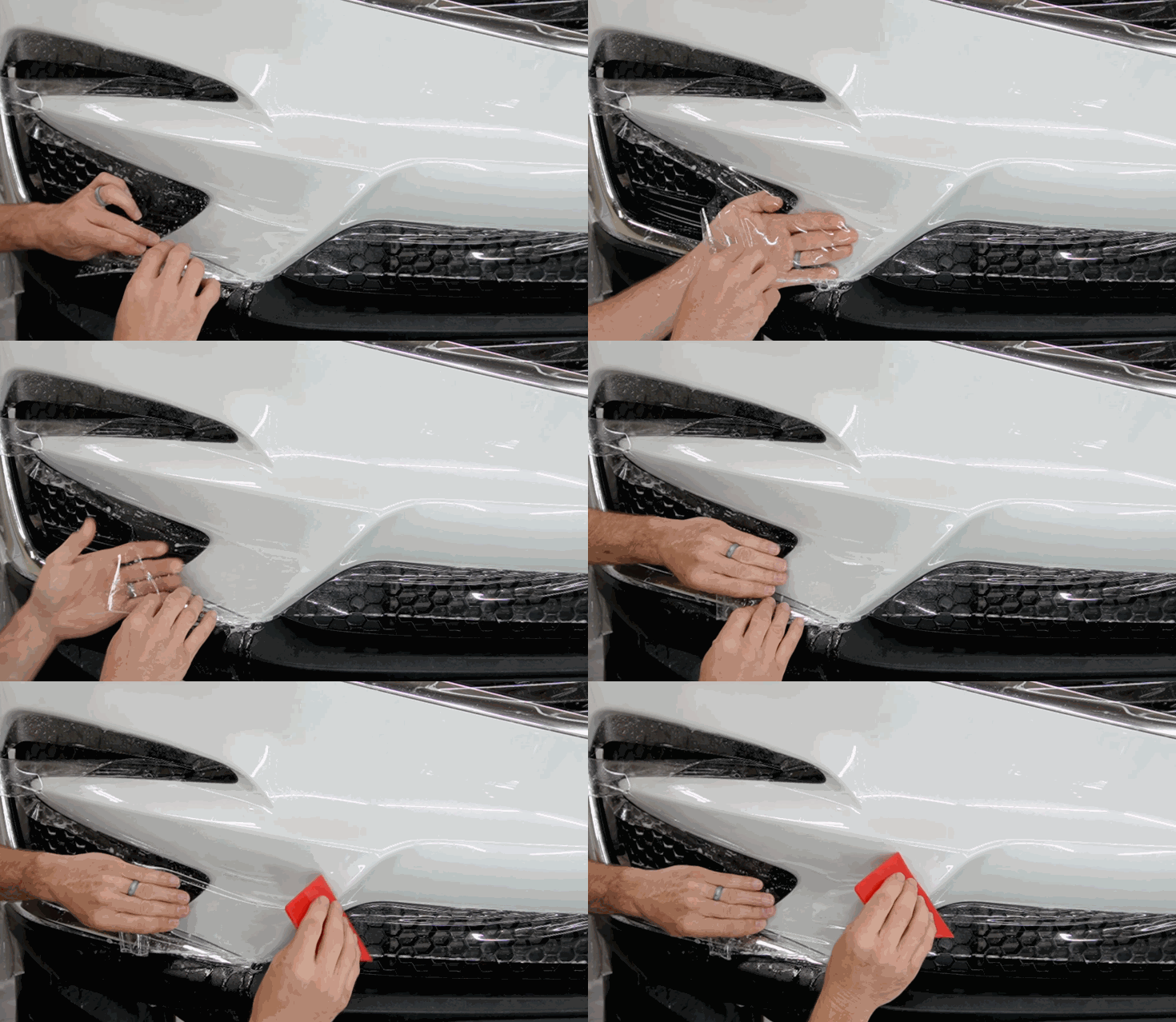
Although Paint Protection Film may appear simple at first glance, installing it correctly is a highly precise process that requires specialized tools, training, and a controlled working environment. The quality of the installation plays a major role in how well the film performs over time and how clean the final result looks on the vehicle.
Professional installers follow a detailed preparation and installation process to ensure that the film adheres properly and aligns perfectly with the vehicle’s panels. Even a small mistake during installation can lead to issues that affect both durability and appearance.
Some of the most common problems that occur with poor PPF installation include:
- Visible bubbles trapped under the film
- Edges that begin lifting after installation
- Misaligned film sections that affect appearance
- Contaminants trapped beneath the film
- Uneven coverage on curved body panels
These issues not only reduce the visual quality of the film but can also affect its ability to provide proper long-term vehicle protection. Precision cutting, proper surface preparation, and careful film alignment are all essential parts of a successful installation.
A properly executed professional PPF installation ensures that the film fits seamlessly with the vehicle’s design and remains durable over time. When done correctly, automotive protection film becomes nearly invisible while continuing to protect the paint from daily driving hazards.
Conclusion: Protecting Your Vehicle in Cedar Park
For drivers in Cedar Park, protecting a vehicle’s paint isn’t just about appearance. With the amount of highway driving, road debris, and intense Texas sun vehicles face every day, maintaining factory paint condition can be a real challenge. Paint Protection Film offers a practical solution by creating a durable barrier that helps prevent many of the small damages that accumulate over time.
As we’ve covered throughout this guide, the cost of PPF installation depends on several factors. Coverage level, vehicle size, installation complexity, and film quality all play a role in determining the final price. Understanding these elements helps drivers make informed decisions about the level of protection that makes the most sense for their vehicle.
For many drivers, investing in Paint Protection Film is about more than just protecting paint today. It’s also about preserving long-term vehicle value, reducing future repair costs, and maintaining the appearance of the vehicle for years to come.
At
Blue Ocean Auto Spa, we work with Cedar Park drivers every day to help them protect their vehicles with carefully planned PPF solutions. If you’re considering
Paint Protection Film
and want to better understand your coverage options or the expected
PPF installation
cost for your vehicle,
we invite you to contact our team. We’re always happy to walk you through the process and help you find the right protection for your car.
Blue Ocean Auto Spa
5.0 ⭐⭐⭐⭐⭐ 92 Google reviews
Car detailing service in Cedar Park, Texas
Address:
1001 Doris Ln, Cedar Park, TX 78613, United States
Phone: +1 512-496-4296