Preserve and Protect: Understanding the Significance of Paint Protection Film
Categories: ppf
Tags: Paint protection film, PPF, Preserve and Protect: Understanding the Significance of Paint Protection Film, The benefits of PPF
When it comes to maintaining the aesthetic appeal and longevity of your vehicle, there’s one solution that stands out from the rest – Paint Protection Film (PPF). A powerful ally in the battle against everyday wear and tear, PPF is fast becoming a must-have for car enthusiasts and everyday drivers alike. But what exactly is PPF , and why is it so essential? Let’s delve deeper into this topic and unravel the magic behind this protective shield.
Unveiling the Mystery: What is Paint Protection Film?
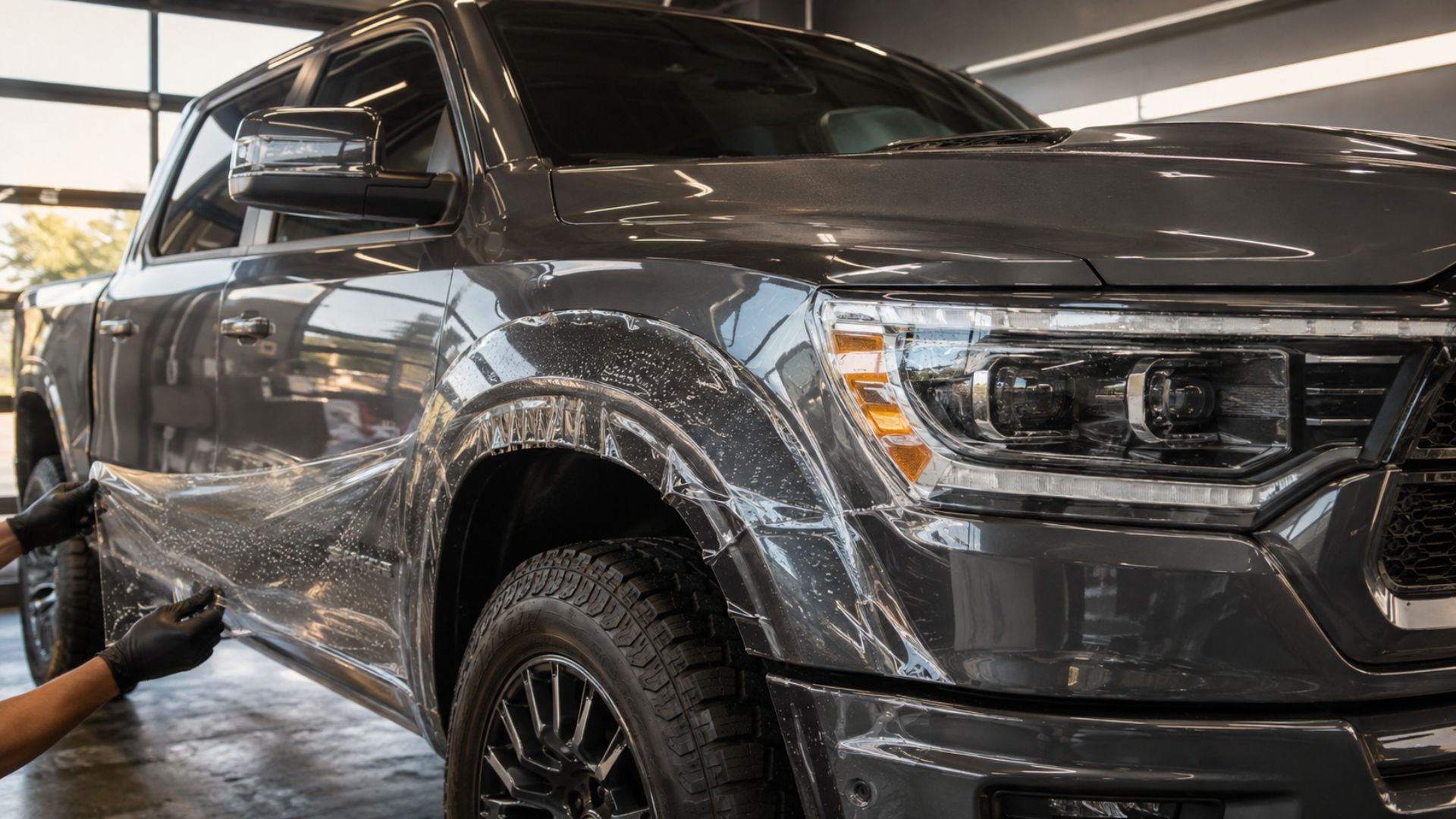
Before we explore the myriad benefits of PPF, it’s crucial to understand what it is. Paint Protection Film Cedar Park TX, or PPF, is essentially a thermoplastic urethane film that’s meticulously applied to the painted surfaces of a car. This film acts as a virtually invisible suit of armor, protecting your vehicle from a host of potential threats including rock chips, scratches, bird droppings, and even the harmful UV rays from the sun.
The beauty of Blue Ocean Auto Spa in PPF lies in its simplicity. It doesn’t change the look or feel of your car, rather, it preserves it. Think of it as an invisible force field, constantly on guard to protect your car’s paintwork from the elements and accidents that are part and parcel of everyday driving.
The Integral Role of PPF in Car Maintenance
The importance of PPF cannot be overstated. If you’ve ever seen a car with chipped paint or a dull, faded finish, you’ll appreciate the value of having a protective layer over your paintwork.
PPF maintains the visual appeal of your car. It ensures your vehicle continues to dazzle with its original shine years after your purchase, significantly enhancing your driving experience.
The benefits of PPF extend beyond mere aesthetics. By preserving the exterior condition of your car, PPF indirectly contributes to maintaining, and sometimes even increasing your car’s resale value. Prospective buyers are always willing to shell out more for a vehicle that has been well-cared for, and a pristine exterior is a testament to that.
A Real-World Story
To understand the real-world impact of PPF, let’s consider the story of John, an avid car enthusiast who recently became the proud owner of a gleaming new sports car. Understanding the importance of car maintenance, John decided to invest in PPF for his new ride.
A few months later, while cruising on the highway, a truck ahead of him kicked up a large rock. The rock struck the hood of John’s car with considerable force. In a normal scenario, this would have resulted in a significant chip in the paintwork, a heart-wrenching sight for any car owner.
Thanks to the protective film, John’s car was saved from damage. He simply wiped away the mark with a cloth, and his car continued to shine as if nothing had happened. This incident reinforced John’s belief in the value of PPF and demonstrated its effectiveness in a practical scenario.
Making an Informed Choice: Selecting the Right PPF for Your Car
Now that we’ve established the importance of PPF, the next step is choosing the right one for your car. It’s important to note that not all paint protection films are the same. Some films offer superior protection but may slightly alter the appearance of your car’s paint, while others are virtually invisible but may not offer the same level of defense against potential hazards.
Your choice of PPF will depend on several factors including your priorities, your budget, and the specific requirements of your vehicle. Professional installers can provide valuable guidance and help you make an informed decision based on your unique needs.
PPF vs. Waxing: A Comparative Analysis
Many car owners are familiar with waxing as a method of protecting their vehicle’s paint. While waxing provides a temporary shine and some degree of protection, it pales in comparison to the benefits offered by PPF.
Waxing needs to be done regularly, often every few months, to maintain its protective properties. This can become a significant investment of both time and money. Wax does little to protect against physical damage such as stone chips and scratches.
PPF, on the other hand, offers long-term protection that doesn’t require constant upkeep. Once applied, it provides continuous defense against a wide range of threats, including those that wax simply cannot guard against.
While wax may still have a place in routine car cleaning and maintenance, PPF is undoubtedly the superior choice when it comes to preserving your car’s paintwork.
Paint protection film is a wise investment for anyone seeking to preserve the appearance and value of their vehicle. It offers peace of mind, knowing your car is protected from everyday hazards, and ensures your prized possession continues to shine for years to come.
FAQs about Paint Protection Film
To further enhance your understanding of PPF, let’s address some commonly asked questions.
How long is PPF effective?
Depending on the level of care and environmental factors, a high-quality PPF can last anywhere from five to ten years.
Is PPF removable?
Indeed, PPF may be properly removed by a professional without endangering the paint underneath.
Does PPF require special care?
While PPF is designed to be durable, it still requires regular cleaning and maintenance to retain its protective properties. It’s advisable to steer clear of abrasive cleaners or brushes that could potentially scratch the film.
Is PPF worth the cost?
While PPF does entail an initial expense, many car owners find that the cost of PPF is more than offset by the savings in potential repair costs and the added resale value it provides.