How Much Heat Does Car Window Tint Block in Cedar Park, TX?
You know the moment. You open your car door after it’s been sitting somewhere off Lakeline Blvd or near Cypress Creek Road, and the heat just rushes out. It’s not gradual, it’s instant. The kind of heat that makes you pause before even sitting down.
Around Cedar Park, that’s not a rare situation, it’s part of everyday driving. Whether you're on 183A Toll Road during peak hours or parked outside a shopping plaza, your car is constantly exposed. And over time, that exposure adds up in a way most drivers underestimate.
That’s usually when window tint stops being something “nice to have” and starts making sense as a functional upgrade. From our side, working on cars in this area every day, we’ve seen how much of a difference it makes when the goal is simple, keep the heat out and make driving feel normal again.
How Much Heat Does Window Tint Actually Block?
Let’s clear something up right away, window tint isn’t just about making your windows darker. The real value is in how it handles heat before it even gets inside your car.
What’s Actually Being Blocked?
Most of the heat you feel inside your vehicle comes from infrared radiation, not visible sunlight. That’s why two cars with similar-looking tint can feel completely different inside.
Typical Heat Rejection by Film Type
- Dyed films → roughly 30%–40% heat rejection
- Carbon films → around 40%–50% heat rejection
- Ceramic films → up to 60%–80% heat rejection
The jump between those numbers is noticeable, especially during long Cedar Park afternoons. A proper heat rejection window tint works by filtering out a significant portion of that energy before it builds up inside the cabin.
On top of that, most quality films also block UV rays, which contributes to both comfort and long-term protection. When you look at the full picture, the real car window tint benefits come from how the film performs, not how dark it looks.
Not All Window Tint Is the Same
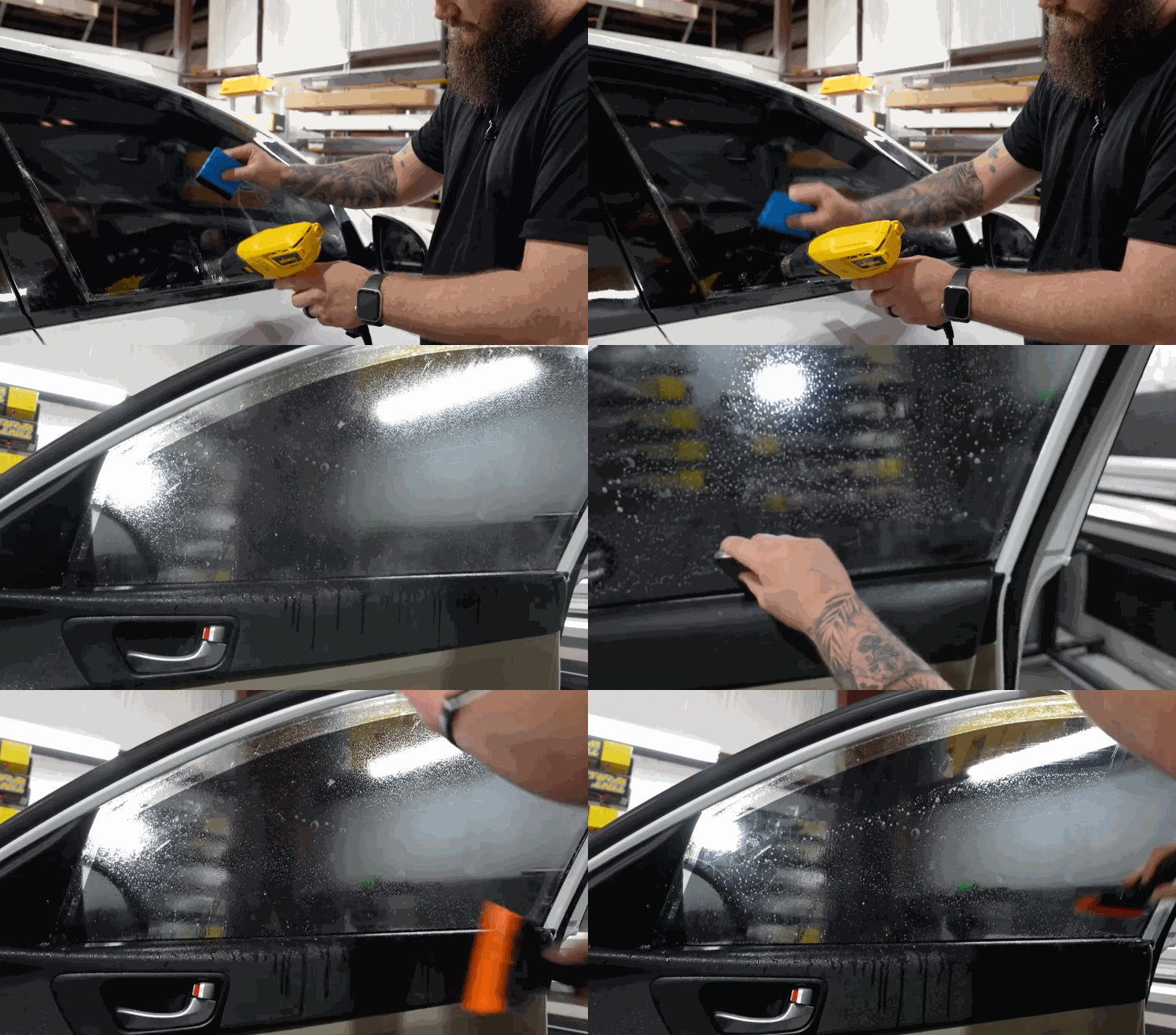
This is where things get interesting, because not all window tint is built with the same goal in mind. Some films focus on appearance, while others are designed to actually handle heat.
If we break it down from a performance perspective, here’s how it plays out:
- Dyed tint: mostly aesthetic, minimal heat control
- Carbon tint: better heat rejection, more stable over time
- Ceramic window tint: top-tier performance, designed for real heat conditions
In a place like Cedar Park, where the sun isn’t exactly forgiving, those differences aren’t subtle. Ceramic window tint stands out because it blocks a higher percentage of heat without relying on darker shades, which means you get performance without sacrificing visibility.
At Blue Ocean Auto, this is exactly why we don’t treat every film the same. When someone asks for the best window tint for heat, the answer depends on performance, not just appearance, and that’s where high-quality materials make all the difference.
Why Heat Reduction Matters for Cedar Park Drivers
Let’s bring this down to real, everyday use, because this is where window tint really proves its value. Picture a typical day in Cedar Park:
- Your car sits outside while you’re working, fully exposed for hours
- You make a quick stop somewhere off Lakeline Blvd, no shade in sight
- You’re driving mid-afternoon with the sun hitting directly through your side windows
None of these are extreme situations, they’re just normal. But without any protection, each one contributes to a hotter, less comfortable interior.
What happens next is predictable. The steering wheel heats up, seats retain that warmth, and your AC has to work harder just to bring things back to a comfortable level. Over time, that constant cycle becomes part of your driving experience.
That’s where window tint Cedar Park TX starts to shift things. The heat reduction benefits don’t just improve comfort, they change how your car responds to the environment. Less heat buildup, faster cooldown, and a more consistent interior temperature overall.
Beyond Heat: Additional Benefits You’ll Notice
Once the heat is under control, a few other benefits start to stand out, and they’re the kind of things you don’t always think about upfront.
Here’s what most drivers notice after installation:
- UV protection window tint helps limit sun exposure during daily driving
- Glare reduction window film makes bright afternoons easier on your eyes
- Interior surfaces maintain their condition longer, with less fading and wear
But beyond the technical side, there’s also a subtle shift in how driving feels. Less glare means less strain. A cooler cabin means less adjustment. And over time, those small improvements add up in a way that just makes your car more enjoyable to use.
From what we’ve seen, once drivers experience that difference, especially during peak summer months in Cedar Park, it quickly becomes something they don’t want to go without.
Is Window Tint Worth It in Cedar Park?
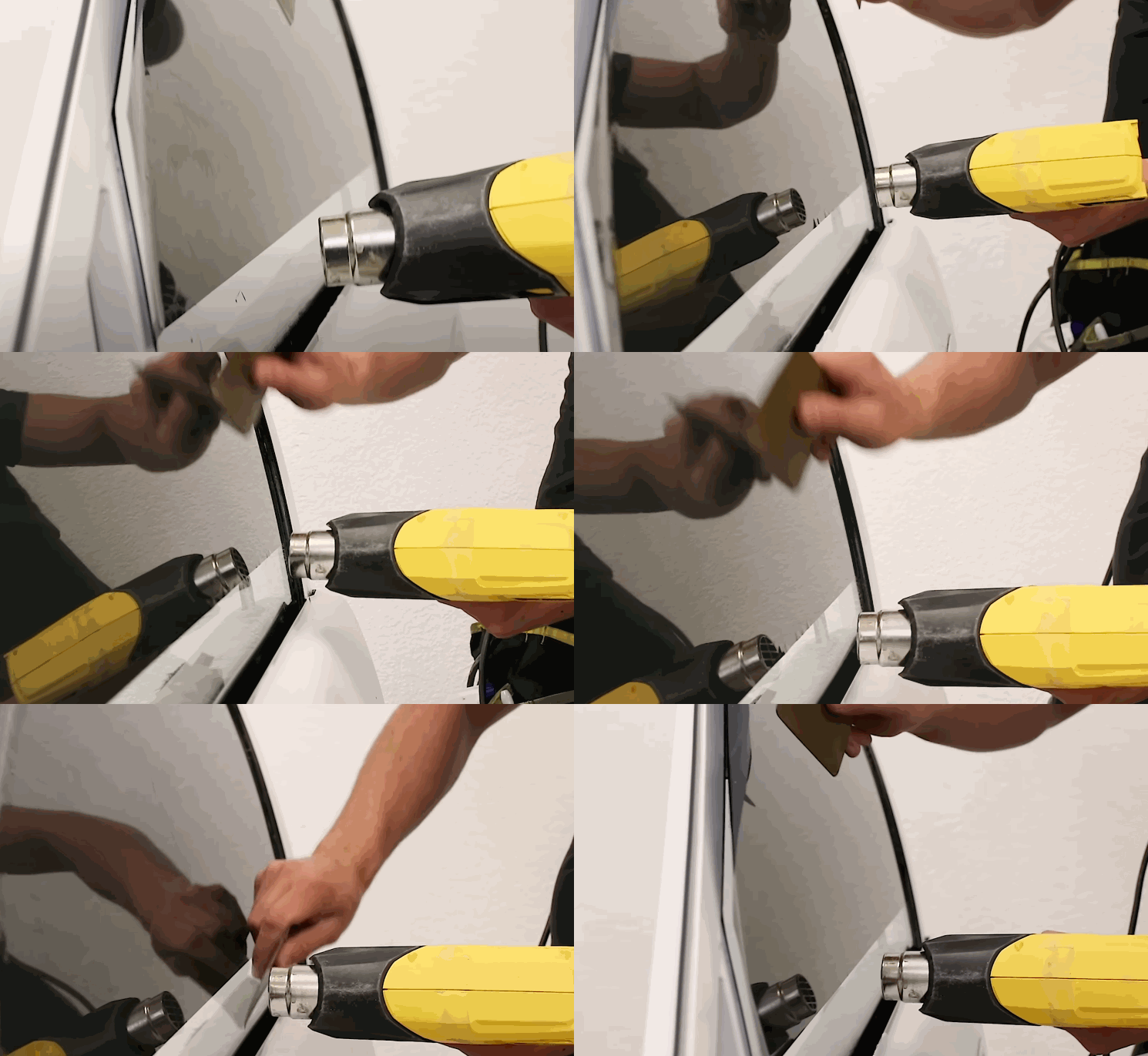
Let’s approach this the way most drivers think about it, does it actually pay off? Short answer, yes, but not just for the reasons people expect.
Where You Notice It First
- Your car cools down faster after sitting in the sun
- The AC doesn’t have to work as hard during daily drives
- The interior feels more stable instead of constantly overheating
Those are the immediate wins. You feel them within the first few days, especially during peak afternoon heat around Cedar Park.
Where It Starts to Make More Sense Over Time
Beyond comfort, there’s a longer-term side that often gets overlooked:
- Interior materials stay in better condition
- Less fading on dashboards, trims, and seats
- Reduced wear caused by constant heat exposure
That’s where long-term vehicle protection becomes part of the equation. You’re not just improving how your car feels today, you’re preserving how it holds up months and years from now. So, is window tint worth it? In Cedar Park, where heat is consistent and unavoidable, it tends to shift from optional to practical pretty quickly.
Choosing the Right Window Tinting Services in Cedar Park
Picking a shop for window tint isn’t just about who’s closest or cheapest. The quality of the result depends heavily on who’s doing the work and what they’re using.
What Actually Matters When Choosing a Provider
- Experience working with vehicles exposed to intense Texas sun
- Access to high-performance films, not just basic options
- Warranty coverage that reflects confidence in both product and installation
- Clear communication about what you’re getting and why
There’s also a local factor that shouldn’t be ignored. Cedar Park conditions aren’t mild, and a shop that understands that will guide you differently than one that doesn’t deal with this kind of heat regularly.
At Blue Ocean Auto, that local understanding is part of how we approach every project. Our window tinting services Cedar Park TX drivers rely on are built around real conditions, not generic recommendations. The goal is always to deliver a professional window tint that actually performs where it matters.
Conclusion: A Smarter Way to Handle Cedar Park Heat
At the end of the day, this isn’t about changing how your car looks, it’s about changing how it feels every time you step inside.
Cedar Park heat isn’t something you can avoid, but it’s definitely something you can manage better. With the right window tint, the difference shows up in small moments, a cooler seat, a steering wheel you can actually grab, a cabin that doesn’t take forever to settle down.
Over time, those small improvements turn into a better overall driving experience. Less strain on your vehicle, more comfort for you, and added protection that keeps your interior in good shape.
At Blue Ocean Auto, we focus on delivering window tinting services that make that difference real. If you’re ready to upgrade how your car handles the heat,
contact us today
and let’s get you set up with a window tint solution built for Cedar Park conditions.
Blue Ocean Auto Spa
5.0 ⭐⭐⭐⭐⭐ 202 Google reviews
Car detailing service in Cedar Park, Texas
Address:
1001 Doris Ln, Cedar Park, TX 78613, United States
Phone: +1 512-496-4296