How to Maintain Your Paint Protection Film
At Blue Ocean Auto Spa, we know how much Texans value their vehicles, and that is why Paint Protection Film has become such a popular choice across the state. Between the blazing Texas sun, the constant highway construction that kicks up debris, sudden storms that sweep through, and long commutes on busy interstates, cars here face daily challenges that can take a toll on their paint.
Paint Protection Film adds an invisible layer of defense that helps preserve your vehicle’s look while reducing costly repairs. With the right care and maintenance, this film can stay durable for years, keeping your car looking newer and protected no matter what the Texas roads throw your way.
Understanding the Basics of Paint Protection Film
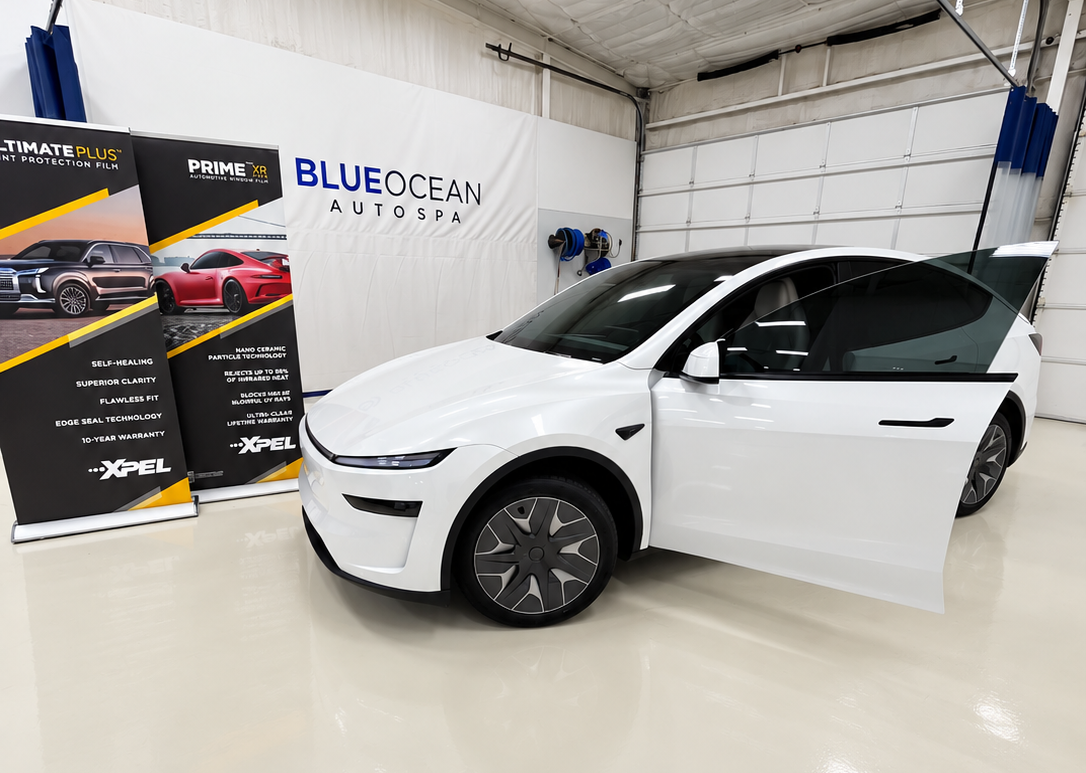
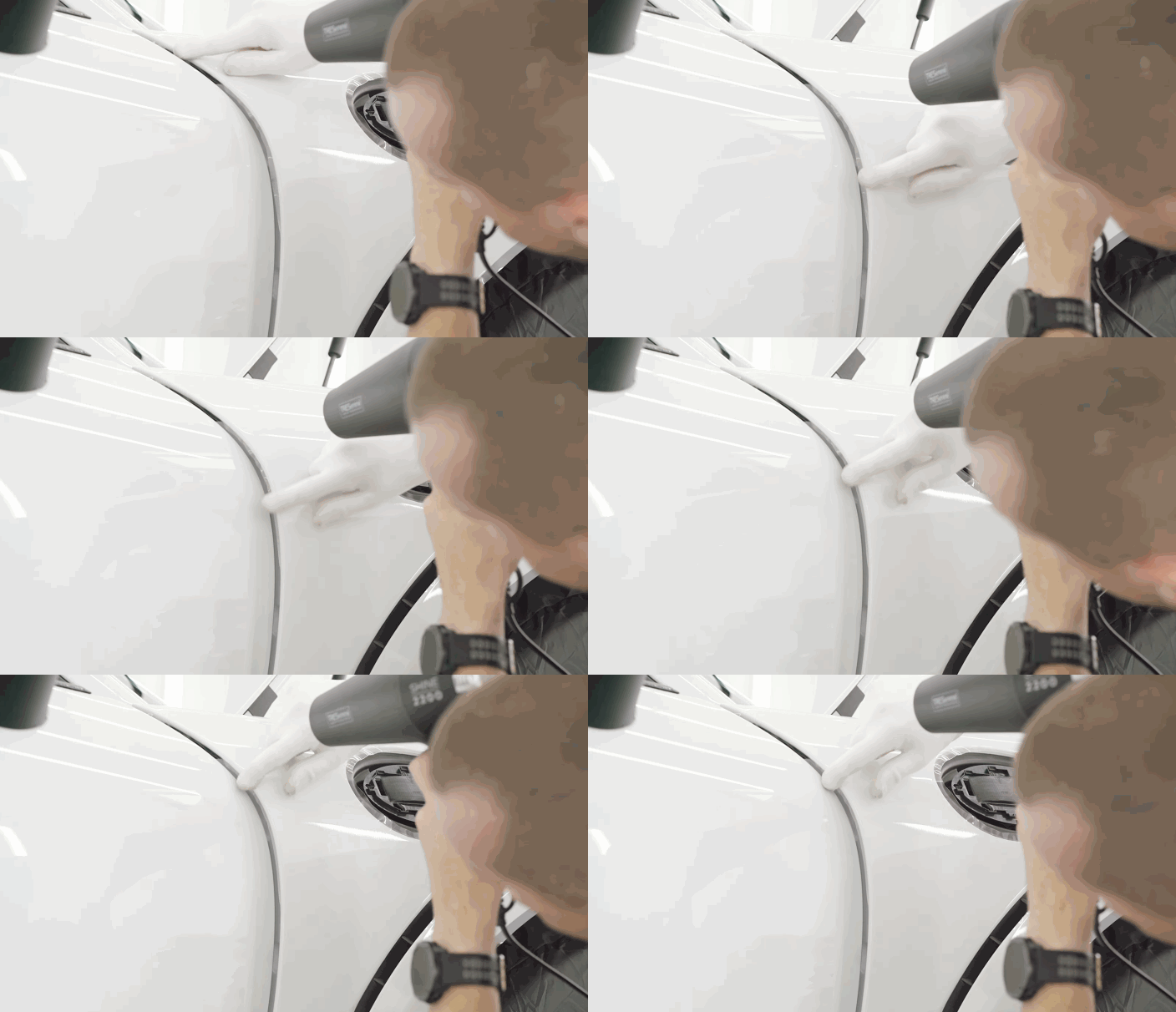
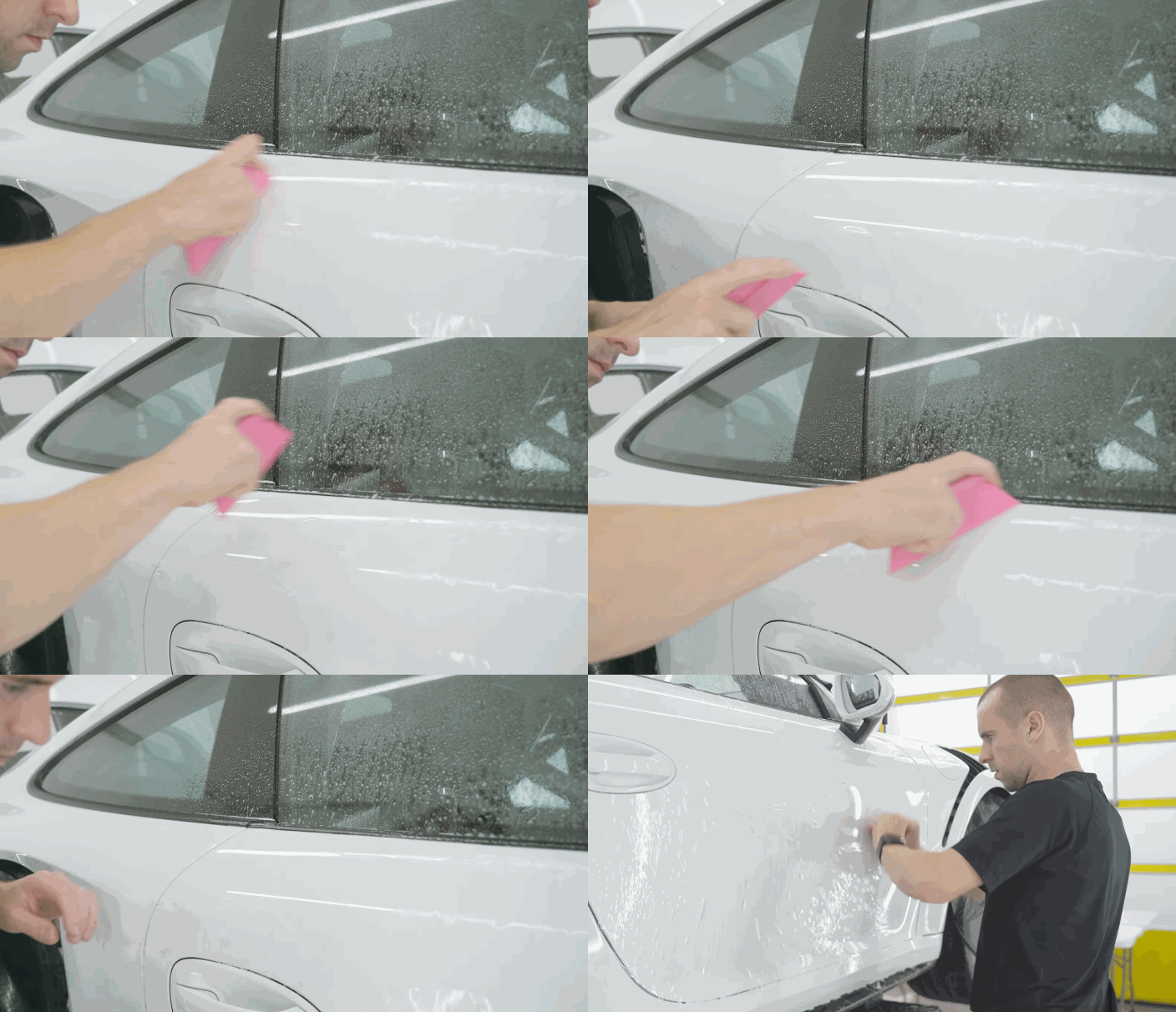
Paint Protection Film, often referred to as PPF, is a clear, durable film applied to the painted surfaces of your vehicle. Its primary purpose is to shield your paint from common hazards that drivers in Texas encounter every day. Rock chips from highway driving, flying debris from construction zones, UV rays that can cause fading, and environmental elements like bird droppings or tree sap are all things PPF is designed to handle. The quality of the protection, however, starts with proper ppf installation. When the film is professionally installed, it bonds seamlessly to the paint, creating a strong defense that lasts longer and performs better than any do-it-yourself alternative.
Everyday Care for Your PPF
Taking care of your Paint Protection Film is simple, but it does require consistency to keep it performing at its best.
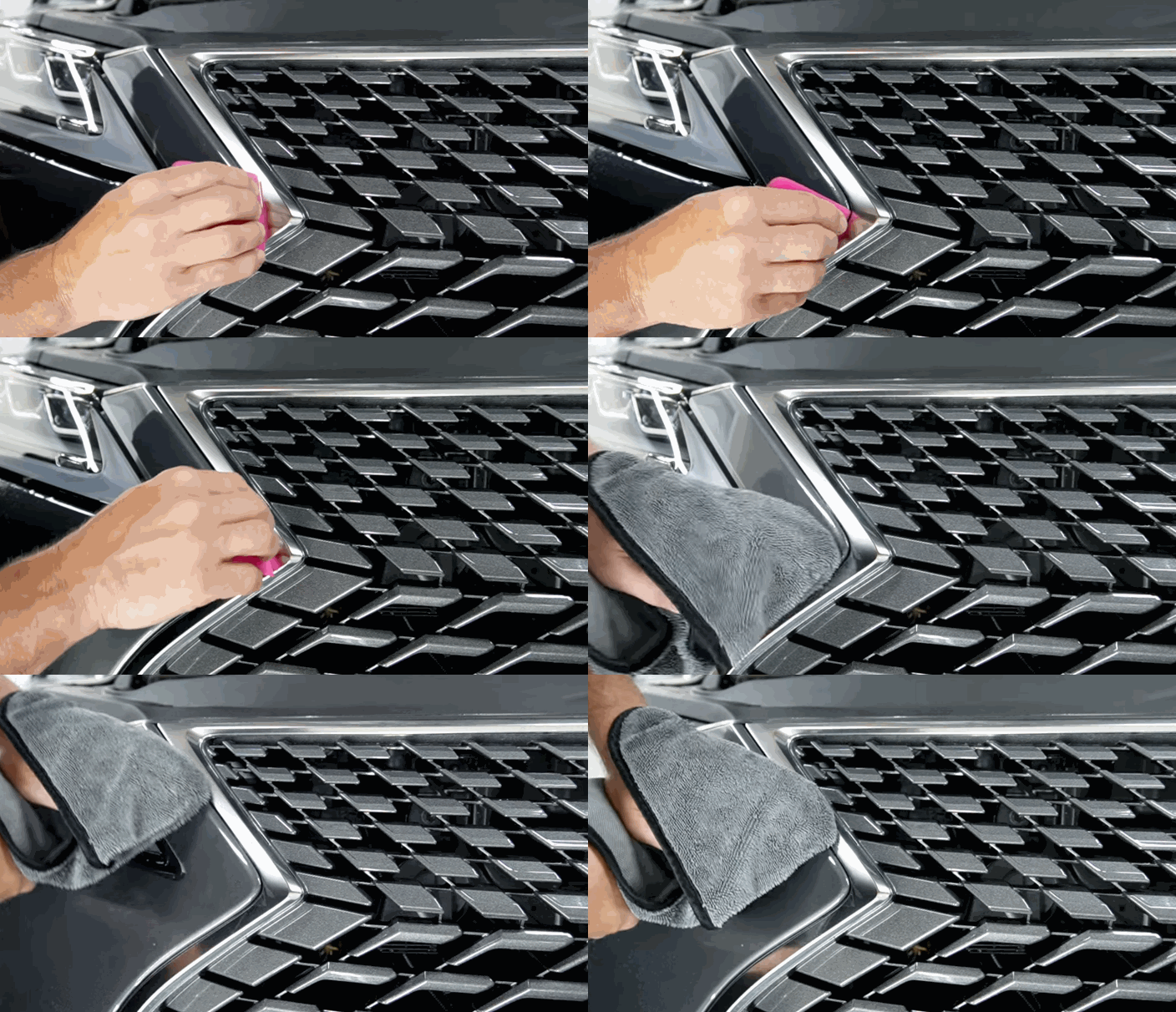
- Wash your car by hand whenever possible using a microfiber mitt and pH-balanced soap. This reduces the risk of scratching and helps maintain the clarity of the film.
- Avoid harsh brushes and automated car washes that can damage the edges of the film or leave swirl marks.
- Wash your vehicle regularly, especially in Texas where dust, pollen, and sudden storms leave behind dirt and residue. For drivers in areas with frequent highway travel or rural roads, cleaning once a week is usually best.
Keeping up with these basic steps ensures your PPF stays clean, clear, and protective over the long haul.
Seasonal Maintenance in Texas
One of the unique things about owning a car in Texas is how dramatically the seasons can shift and how those changes affect your Paint Protection Film. Unlike other states where weather is more predictable, Texas drivers deal with scorching summers, sudden storms, and even icy stretches depending on where they live. Your PPF is built to handle these conditions, but only if you adjust how you care for it throughout the year.
What each season demands from your PPF:
- Summer care: Strong UV rays and long road trips leave bug splatter baked into the surface. Frequent washes and shaded parking help prevent heat stress on the film.
- Fall routines: Leaves and pollen can cling to the surface and leave behind residue, especially for drivers in rural or wooded areas.
- Winter attention: While southern Texas rarely sees snow, northern regions experience icy roads and de-icing chemicals that can stick to the film and must be washed away promptly.
- Spring cleanups: Heavy rains and muddy backroads make regular washing critical to keep the film from becoming stained or cloudy.
By paying attention to what each season brings, you give your Paint Protection Film the best chance to remain clear and effective year after year. At Blue Ocean Auto Spa, we see firsthand how a seasonal approach makes all the difference for Texas drivers.
Common Mistakes to Avoid
Paint Protection Film is tough, but it is not indestructible. Many drivers unintentionally shorten the life of their film by following poor habits or buying into common misconceptions. If you want your investment to truly last, knowing what not to do is just as important as learning the right care techniques.
The most common mistakes we see in Texas include:
- Abrasive cleaning products. Harsh sponges, brushes, or chemicals can scratch the surface and dull the clarity of the film.
- Neglecting organic damage. Bird droppings, bug splatter, and tree sap are acidic and can stain if left untreated.
- Sun exposure without shade. The Texas sun is relentless, and extended exposure speeds up wear and weakens the adhesive.
- Overestimating the film. Many drivers think PPF is scratch-proof, but in reality, it is scratch-resistant, which means it can handle most hazards but not everything.
Avoiding these mistakes keeps your Paint Protection Film looking sharp and functioning properly. A little awareness goes a long way toward ensuring your vehicle stays protected from the everyday challenges of driving in Texas.
Long-Term Care Tips
Short-term washing and seasonal adjustments matter, but protecting your Paint Protection Film over the years requires consistency and forward planning. The better you take care of the film, the longer it will continue to shield your vehicle’s paint from the unique road and weather conditions we see in Texas.
Key practices for extending the life of your PPF:
- Regular inspections: Look closely for lifting edges, bubbling, or wear around impact zones like hoods and fenders.
- Professional touch-ups: Minor repairs done early by an expert prevent more serious issues later.
- Pair with ceramic coating: Adding ceramic coating to your Paint Protection Film makes it easier to clean, adds extra gloss, and creates hydrophobic protection.
- Detailing sessions: A professional detail every few months ensures the film stays in top shape and allows experts to correct small issues before they spread.
Long-term care is the difference between a film that only lasts a couple of years and one that continues to protect your car for much longer. At Blue Ocean Auto Spa, we help Texas drivers get the most out of their PPF by combining professional guidance with consistent maintenance.
Local Considerations for Texas Drivers
Driving in Texas presents unique challenges that can take a toll on your Paint Protection Film if you are not mindful of them. Highways like I-35, MOPAC and 183 expose cars to rock chips and road debris on a daily basis.
Coastal areas such as Galveston and Corpus Christi add another layer of difficulty, since salt air and humidity increase the need for careful maintenance. Drivers in rural parts of the state face a different obstacle altogether, with gravel roads and dust requiring more frequent washes.
How Texas conditions affect your maintenance routine:
- Highway driving: Rock chips and construction debris are constant, so regular inspections are necessary.
- Coastal exposure: Salt and humidity can wear down film faster if not cleaned promptly.
- Rural travel: Gravel, dirt, and dust mean washing should be done more often to prevent buildup.
Being aware of how your environment influences your PPF helps you decide when to wash, when to inspect, and when to schedule professional detailing. Texas roads are diverse, but the right habits make your film last longer in all conditions.
Why Professional Guidance Matters
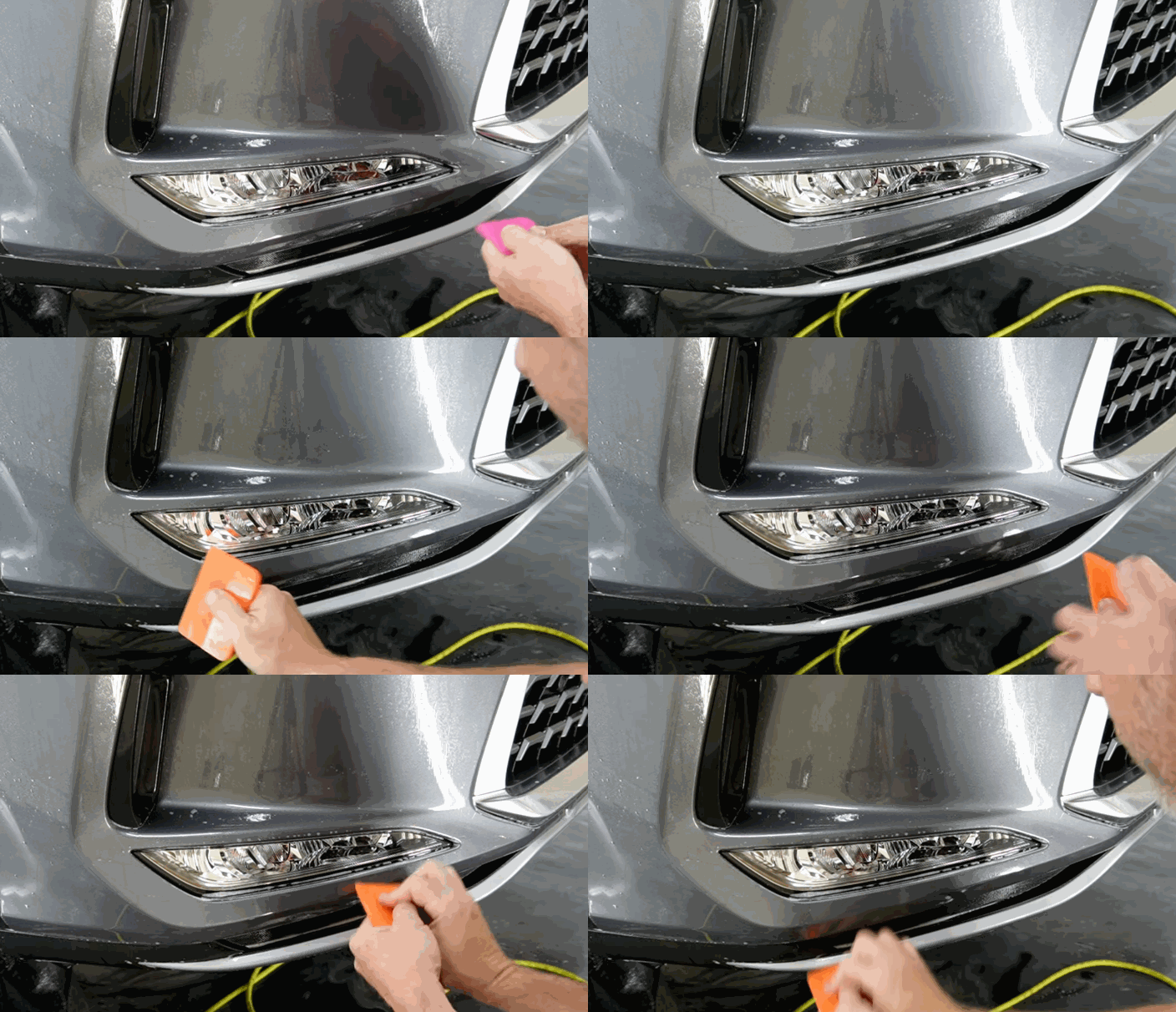
While Paint Protection Film is designed to be durable, the quality of care it receives often depends on professional guidance. Certified installers know how to properly apply the film and how to spot issues early during regular check-ins.
At Blue Ocean Auto Spa, we understand the specific challenges Texas weather and road conditions create, and that knowledge allows us to provide tailored advice that goes beyond what a DIY kit could ever achieve.
Benefits of professional care include:
- Certified installation that ensures your PPF bonds correctly and performs as it should.
- Regular inspections that catch small problems before they turn into bigger issues.
- Warranties and product knowledge that give you peace of mind over the long term.
- Advice designed around Texas conditions, whether you are in Houston traffic or driving rural backroads.
Trusting experts with your PPF means your investment is protected, and your car stays in top shape no matter where you drive in the state.
Keeping Your Car Protected for the Long Haul
Maintaining Paint Protection Film comes down to consistent care, adjusting your habits to Texas-specific hazards, and partnering with professionals who know how to keep your car protected.
From long commutes on I-35 to coastal humidity in Galveston, every driver faces conditions that can put stress on their vehicle’s finish. With the right routine and professional support, your PPF will continue to provide reliable protection for years.
At Blue Ocean Auto Spa, we are committed to helping drivers across Texas get the most out of their investment. Whether you need an inspection, a touch-up, or a full PPF installation, our team is here to provide expert guidance and service.
Reach out to us today and give your car the protection it deserves.
Blue Ocean Auto Spa
5.0 ⭐⭐⭐⭐⭐ 92 Google reviews
Car detailing service in Cedar Park, Texas
Address:
1001 Doris Ln, Cedar Park, TX 78613, United States
Phone: +1 512-496-4296