PPF for Trucks and SUVs in Cedar Park, TX: Areas Most at Risk
Front bumpers, hood edges, fenders, mirrors, rocker panels, lower doors, and wheel arch areas are typically the most vulnerable parts of trucks and SUVs. Paint protection film creates a physical barrier against rock chips, scratches, road debris, and abrasion, while a properly planned PPF installation targets the areas where PPF for trucks provides the greatest practical protection.
Why Do Trucks and SUVs Need Different PPF Coverage?
Trucks and SUVs often need different PPF coverage because their larger body panels, greater frontal area, bigger tires, and body geometry expose the paint differently than a typical passenger car. The most effective protection plan accounts for those characteristics rather than simply applying the same coverage pattern to every vehicle.
Consider the front of a full-size pickup. Its bumper, hood, and surrounding painted surfaces can present a much larger target for airborne debris than the nose of a compact sedan. At highway speeds, that additional surface area means more opportunities for gravel, sand, insects, and other material to strike the finish.
The sides deserve attention too. Larger tires, wider wheel setups, and different body shapes can throw debris toward lower doors, rocker panels, and rear portions of the vehicle. Some trucks also have painted sections that flare outward near the wheels, placing those surfaces directly in the path of material coming off the tires.
These characteristics matter around Cedar Park, where trucks and SUVs may regularly move between neighborhood streets, construction-heavy areas, US-183, FM 1431, and longer highway routes toward Austin. PPF for trucks should account for the type of exposure created by those driving conditions.
That doesn't mean every larger vehicle requires full-body coverage. Good truck paint protection and SUV paint protection start by identifying where a particular vehicle is most likely to take damage and prioritizing those surfaces.
Which Front-End Areas of a Truck or SUV Get the Most Rock Chips?
The front bumper, leading edge of the hood, front fenders, grille surrounds, and side mirrors typically receive the most direct rock impacts. These forward-facing surfaces meet road debris first, which makes them natural priorities when considering front end PPF.
The Front Bumper Takes the First Hit
Its position puts the bumper directly in the path of gravel, insects, sand, and debris thrown backward by vehicles ahead. On trucks with large painted bumpers, there can be a substantial amount of exposed finish.
Hood Edges and Fenders Accumulate Damage
The leading portion of the hood frequently develops small chips because it faces incoming debris at speed. Front fenders can experience similar damage, particularly around their forward edges and wheel openings.
Mirrors Are Small but Highly Exposed
Side mirrors project outward from the vehicle, giving airborne particles another direct impact point. Their size may make them easy to overlook when choosing coverage, but they can accumulate chips surprisingly quickly.
Speed makes all of these areas more vulnerable. A small piece of gravel striking paint during neighborhood driving is very different from the same debris meeting your vehicle at highway speeds. Regular travel along US-183, FM 1431, and routes toward Austin increases that repeated exposure.
At Blue Ocean Auto Spa, we look at how each truck or SUV is actually driven before recommending paint protection film Cedar Park coverage. For someone accumulating substantial highway mileage, comprehensive rock chip protection across the front end may make considerably more sense than protecting isolated panels.
Why Are Rocker Panels and Lower Doors High-Risk Areas?
Rocker panels and lower doors are high-risk areas because tires continuously send dirt, gravel, sand, and road debris toward the lower sides of the vehicle. On trucks and SUVs, wheel size, tire choice, and body design can make this exposure particularly aggressive.
Larger tires move a substantial amount of material as they rotate. When aggressive tread patterns are involved, small stones can become lodged in the tread and later be released toward painted surfaces. Wider wheels or tires that sit closer to the outer edge of the body can increase this exposure even further.
Vehicle stance also matters. Some trucks have wide fenders or lower painted panels positioned directly behind the front wheels. Others feature large doors and rocker areas without much separation between the tire's debris path and the bodywork.
Unlike a noticeable chip in the center of the hood, lower-panel damage can be easy to miss initially. Tiny impacts accumulate until the finish develops clusters of chips, scratches, or a sandblasted appearance near the bottom of the vehicle.
Rocker panel PPF and lower door protection address that specific type of wear. For truck paint protection, considering what happens behind the wheels can be every bit as important as protecting what happens at the front of the vehicle.
Do Wheel Arches and Rear Fenders Need Paint Protection Film?
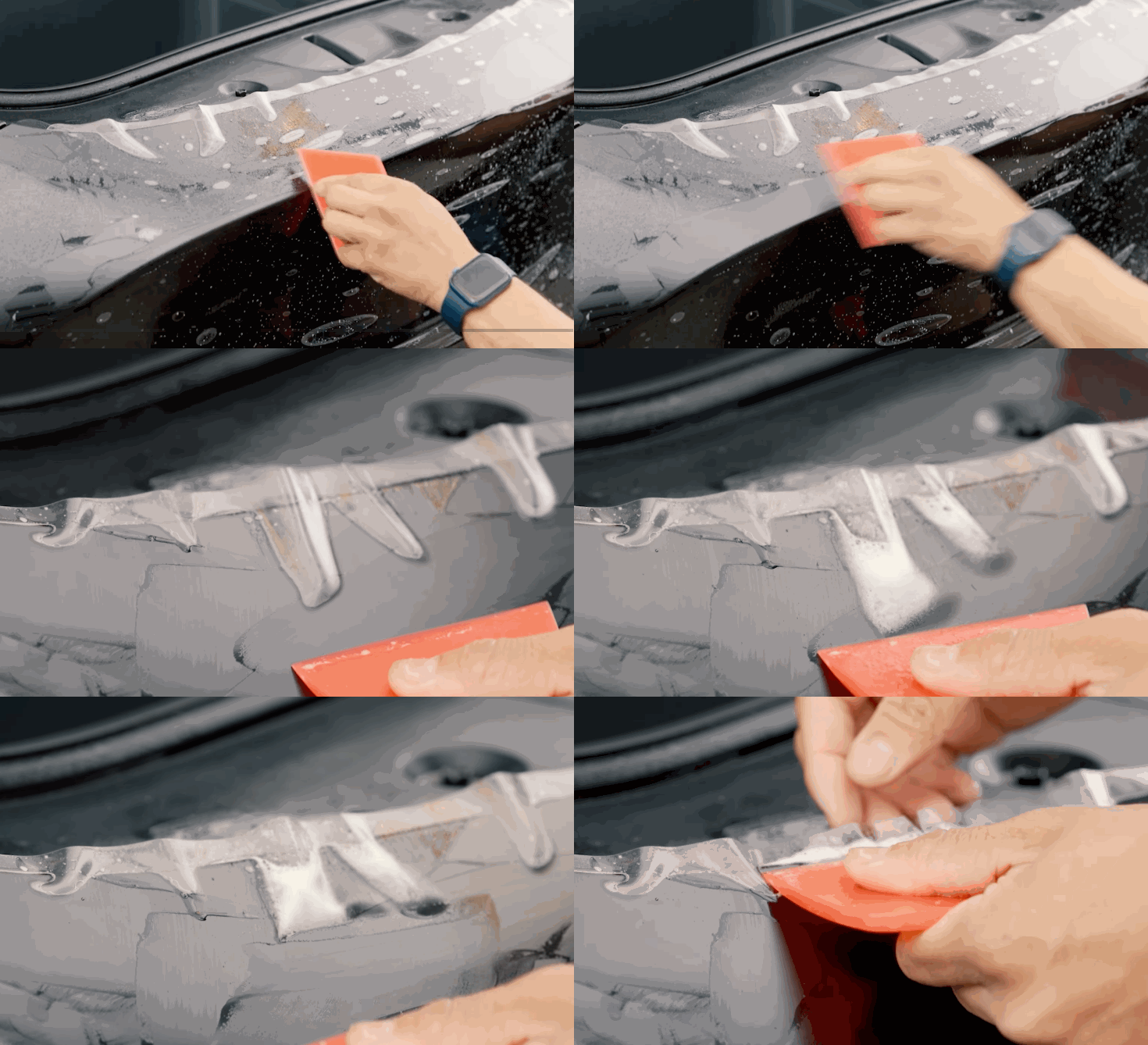
Wheel arches and rear fenders can benefit significantly from paint protection film when their position leaves them exposed to material thrown from the tires. Trucks and SUVs with wider bodywork or aggressive wheel setups can be especially vulnerable in these areas.
Several factors can increase the need for wheel arch PPF and rear fender protection:
- Wider tires: A broader contact patch can move more water, dirt, gravel, and loose road material.
- Aggressive tread patterns: Deep tread can pick up small stones and release them against surrounding bodywork.
- Frequent highway mileage: Higher speeds increase both the amount and force of debris interacting with exposed panels.
- Construction-zone travel: Loose gravel, dust, and unfinished road surfaces can significantly increase debris exposure.
- Exposed bodywork: Fenders or quarter panels that extend into the tire's debris path naturally receive more impacts.
Rear impact zones are easy to overlook because most conversations about PPF for trucks begin with the front bumper and hood. Yet on the right vehicle, the areas behind the wheels may accumulate damage just as consistently.
At Blue Ocean Auto Spa, we prefer customized coverage over assuming every truck needs the same package. Looking at tire setup, body shape, mileage, and driving environment helps identify the genuine high-impact PPF areas, so protection goes where the vehicle actually needs it.
How Does Cedar Park Driving Affect Truck and SUV Paint?
Cedar Park driving exposes trucks and SUVs to loose road debris, construction dust, insects, highway contaminants, and intense Texas sun. Physical impacts and environmental contamination damage paint in different ways, but both can gradually change the condition of an otherwise well-maintained finish.
Regular travel on US-183 and FM 1431 puts vehicles around high-speed traffic, commercial vehicles, and loose material that can be kicked up from the roadway. Nearby development and construction activity add dust, gravel, and other debris to the mix. For drivers commuting toward Austin, simply accumulating more highway miles increases the number of times the vehicle encounters these hazards.
Physical impact damage happens when rocks, gravel, or other debris actually strike the finish. Depending on size and speed, those impacts can leave chips, scratches, or small abrasions. This is where road debris protection becomes particularly useful because a physical barrier can absorb impacts that would otherwise reach the paint.
Environmental contamination works differently. Insects, pollen, bird droppings, road film, dust, and other substances settle on the surface rather than striking it. Texas heat and direct sunlight can make some contaminants more troublesome when they're allowed to remain on the finish for extended periods.
Effective Cedar Park vehicle protection therefore involves understanding both kinds of exposure. PPF is primarily designed to defend against physical damage and surface abrasion, while proper washing and maintenance remain essential for managing contaminants. Preventing truck paint damage requires both protection and good care rather than expecting one product to solve every problem.
Which PPF Coverage Package Makes Sense for a Truck or SUV?
The right PPF coverage depends on how the vehicle is driven, its body design, existing paint condition, ownership plans, and budget. Full-body protection offers the most extensive coverage, but it isn't automatically the best value for every truck or SUV owner.
High-Impact Coverage
Targeted protection can make sense when specific areas receive disproportionate wear. Rocker panels, lower doors, wheel arches, mirrors, or other exposed surfaces can be protected individually based on the vehicle's design. This approach keeps the investment focused on panels that are genuinely vulnerable.
Full Front Coverage
Full front PPF typically protects major forward-facing surfaces such as the bumper, hood, front fenders, and mirrors. For trucks and SUVs that spend considerable time on highways, this can provide a practical balance between coverage and cost. It also avoids the film transition lines that may be visible with some partial-hood configurations.
Extended Coverage
Some vehicles need protection beyond the front. Trucks with aggressive tires or exposed lower bodywork may benefit from extending coverage to rocker panels, lower doors, wheel arches, and portions of the rear fenders.
Extended PPF coverage options can be customized around where a particular vehicle is actually taking damage.
Full-Body PPF
Full body paint protection film provides the broadest physical protection, covering painted surfaces beyond traditional high-impact zones. It can make sense for newer vehicles, enthusiast-owned trucks and SUVs, or owners who prioritize comprehensive protection throughout long-term ownership.
For many drivers considering PPF for SUVs or trucks, however, the best package sits somewhere between minimal and full-body coverage. The objective should be protecting the surfaces that justify the investment, not automatically choosing the largest package available.
Why Does Professional PPF Installation Matter on Larger Vehicles?
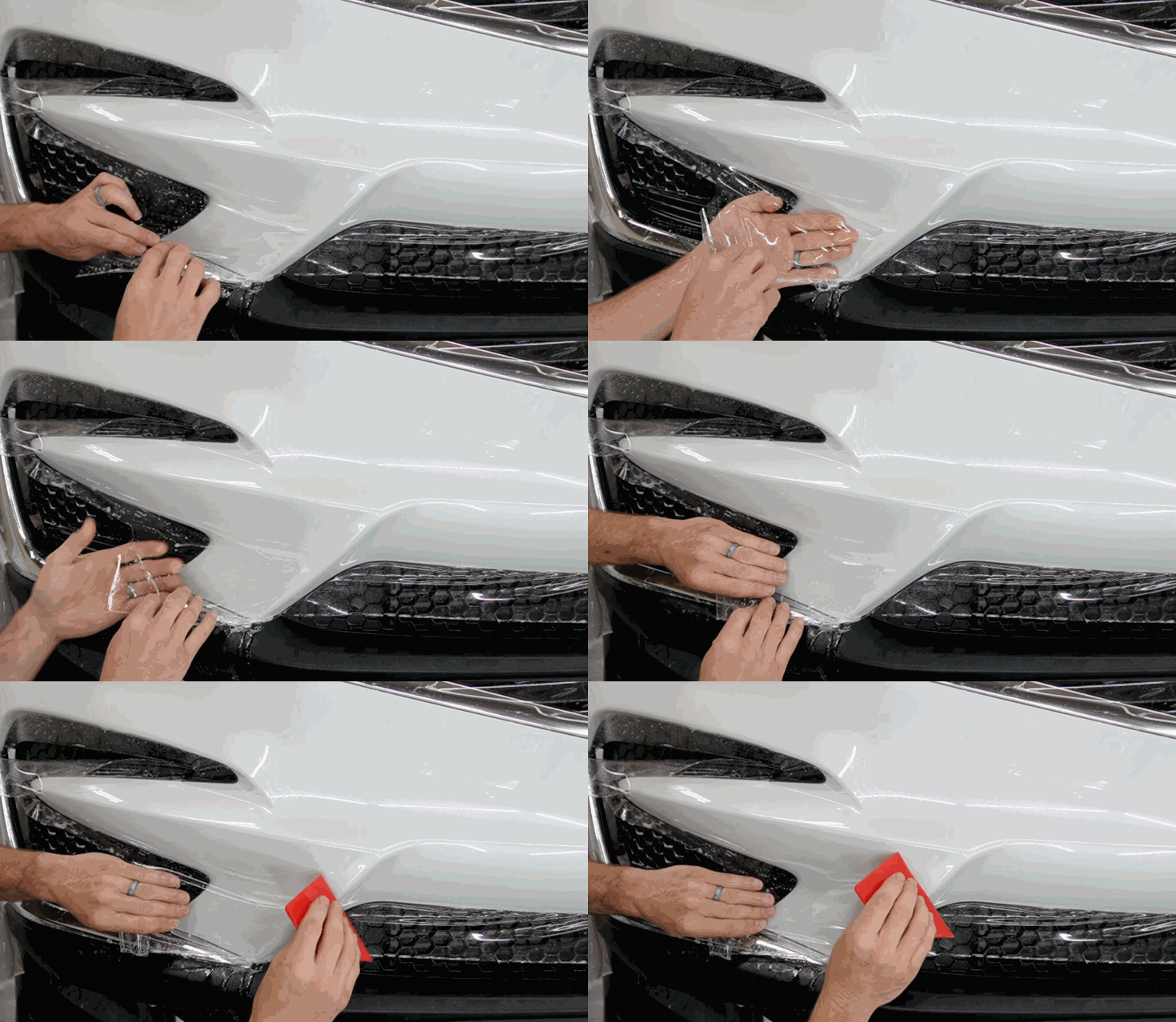
Professional PPF installation matters on trucks and SUVs because their larger panels, pronounced contours, and complex body shapes leave less room for installation errors. Precise fitting is essential for achieving secure adhesion and a clean appearance across these larger surfaces.
A hood on a full-size truck, for example, requires careful film positioning and controlled stretching to maintain consistent coverage without introducing unnecessary tension. Bumpers, fenders, mirrors, and wheel arches add curves and transitions that require different techniques.
Edge work is equally important. Where the panel design allows, properly wrapped edges can help create a more seamless appearance. Other areas may require carefully positioned film boundaries. In either case, poor alignment can leave distracting seams or unnecessary exposed sections.
Contamination control also becomes critical during truck PPF installation. Dust, fibers, or debris trapped underneath the film can remain visible after installation, particularly across large, flat panels. Clean working conditions and careful surface preparation help minimize those issues.
Finally, the film must adhere securely without excessive stretching or poorly finished edges. Otherwise, heat, washing, and normal vehicle use may contribute to lifting or premature failure.
A premium film cannot compensate for careless workmanship. Professional paint protection film installation is ultimately about making the material conform correctly to the vehicle so it can protect the paint without becoming the first thing you notice when looking at the truck or SUV.
Is PPF Worth It for a Truck or SUV in Cedar Park?
PPF can be worthwhile for Cedar Park truck and SUV owners who want to reduce recurring paint damage and preserve vulnerable areas throughout long-term ownership. Its value depends on how much exposure the vehicle receives and how important maintaining the original finish is to the owner.
A newer truck driven thousands of highway miles every year presents a very different value proposition from an older SUV that spends most of its time garaged. Vehicle price, current paint condition, annual mileage, construction-zone exposure, and planned ownership length should all influence the decision.
For owners asking, is PPF worth it, it helps to consider what damage is actually likely to occur. Someone regularly commuting on US-183 may place a high value on front-end protection. A truck with wide tires and vulnerable lower panels may justify additional side coverage. Another owner may have little reason to protect those same surfaces.
This is also why full-body coverage shouldn't be treated as the default. Partial PPF for trucks can deliver excellent value when it protects the areas receiving most of the abuse while leaving lower-risk panels uncovered. Full-body protection becomes more compelling when the owner's priorities justify that additional investment.
Good SUV paint protection and long-term paint protection are ultimately personal decisions. PPF provides the most value when the coverage matches the vehicle, the environment, and the way the owner actually uses it.
Conclusion: Which Areas Should You Protect First With PPF?
The best areas to protect first with PPF are generally the surfaces receiving the greatest physical exposure, including the front bumper, hood, fenders, mirrors, rocker panels, lower doors, and vulnerable wheel arch areas. Exactly which panels deserve priority depends on the truck or SUV's design and how it is driven around Cedar Park.
There is no reason to protect a low-risk panel simply because it appears in a standard package. Likewise, overlooking lower doors or rear fenders on a vehicle that constantly throws debris toward those surfaces can leave some of its most vulnerable paint exposed. A professional inspection helps identify those differences before coverage is selected.
At Blue Ocean Auto Spa, we approach PPF around the individual vehicle rather than assuming every truck and SUV needs identical protection. We consider body shape, wheel and tire setup, mileage, local driving conditions, existing paint condition, and your ownership goals before recommending coverage.
Contact us today for a personalized PPF assessment and professional PPF installation in Cedar Park. Protecting the right areas early can help preserve more of your truck or SUV's original finish through years of highway miles, construction exposure, and everyday Texas driving.
Blue Ocean Auto Spa
5.0 ⭐⭐⭐⭐⭐ 226 Google reviews
Car detailing service in Cedar Park, Texas
Address:
1001 Doris Ln, Cedar Park, TX 78613, United States
Phone: +1 512-496-4296