PPF vs. Vinyl Wrap: Which One Offers More Protection?
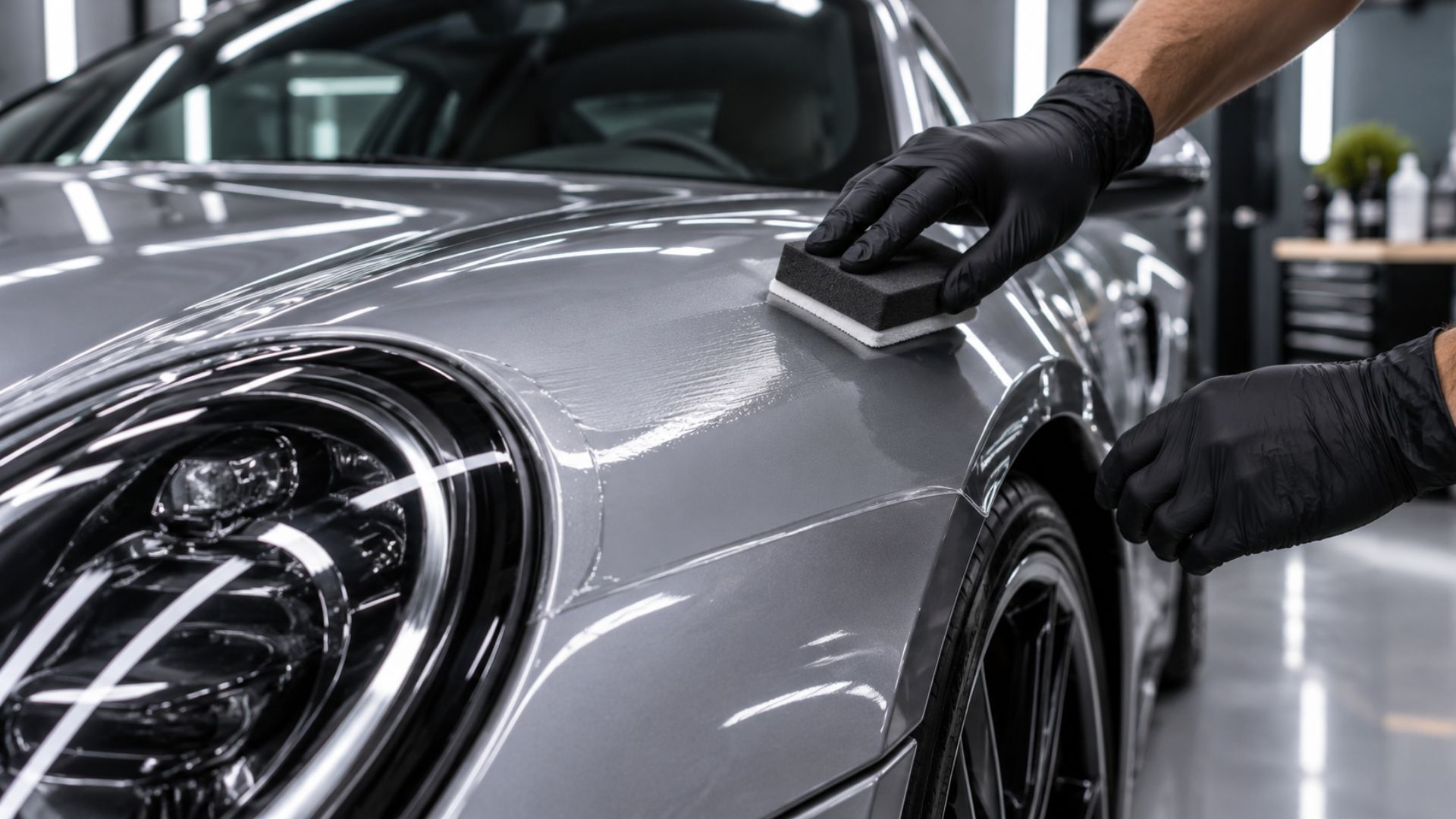
Paint protection film provides substantially more physical protection than vinyl wrap because PPF is engineered to absorb minor impacts, resist rock chips, and protect paint from scratches and road debris. In a PPF vs vinyl wrap comparison, vinyl is primarily intended for visual customization, although it can provide limited protection from light surface wear.
What Is the Main Difference Between PPF and Vinyl Wrap?
Paint protection film is primarily engineered for car paint protection, while vinyl wrap is primarily designed to change a vehicle's color, finish, or overall appearance. Although both products cover painted surfaces, they solve different problems.
PPF is typically a thicker, transparent urethane film designed to take everyday abuse in place of the paint underneath. Clear film is popular with owners who want to maintain the vehicle's factory appearance, although colored and specialty PPF options have expanded the possibilities for customization.
A vehicle vinyl wrap takes the opposite approach. Vinyl is available in a broad range of colors, textures, and finishes, making it an excellent option for changing how a car looks without permanently repainting it. Because the material covers the original finish, it can also provide a degree of separation from contaminants and very light surface contact.
The key to understanding PPF vs vinyl wrap is recognizing that simply covering paint does not make the two materials equally protective. PPF is engineered around impact resistance and paint preservation. Vinyl prioritizes appearance. Deciding which one makes sense starts with identifying which of those goals matters most to you.
Does Paint Protection Film Protect Better Against Rock Chips and Scratches?
Yes. Paint protection film provides significantly better protection against rock chips, minor scratches, road debris, and everyday abrasion than a conventional vinyl wrap. Its thicker urethane construction creates a sacrificial layer designed to take damage that might otherwise reach the clear coat and paint.
That distinction becomes particularly relevant once a vehicle starts accumulating highway miles. A tiny piece of gravel striking the hood at highway speed creates a very different challenge from dust or a light surface contaminant. PPF can absorb many of those minor impacts before they leave a permanent chip underneath.
Modern self-healing PPF adds another useful characteristic. Minor marks and light scratches in the film's top layer can often become less visible with heat. Self-healing technology does not mean the material is indestructible, however. A sufficiently sharp object or powerful impact can still penetrate or damage the film.
For Cedar Park drivers, road debris protection can be especially valuable on routes such as US-183 and FM 1431, as well as during regular highway travel toward Austin. Construction activity, loose gravel, trucks, and material kicked up by surrounding traffic create repeated opportunities for front-end impacts.
At Blue Ocean Auto, we prefer to base paint protection film Cedar Park recommendations on that actual exposure. A daily highway commuter may benefit from extensive front-end coverage, while a vehicle that sees fewer miles could have very different protection needs. PPF works best when the coverage matches how and where the car is driven.
How Much Protection Does a Vinyl Wrap Actually Provide?
Vinyl wrap does provide some protection from light surface wear and environmental exposure, but it should not be treated as a substitute for paint protection film. The material can act as an additional layer over the original finish, yet physical protection isn't its primary purpose.
Where Vinyl Can Help
Because a vehicle wrap covers the underlying paint, it can reduce direct exposure to sunlight and everyday contaminants across the wrapped surfaces. It may also take some very light superficial scuffs or contact that otherwise could have affected the finish.
That secondary protection can be a welcome benefit, especially when the owner's main objective is changing the vehicle's color or styling.
Where Its Limitations Become Clear
Gravel impacts, sharp scratches, and more aggressive abrasion demand considerably more from the material. Conventional vinyl is thinner and isn't engineered to absorb those forces in the same way as PPF. A stone can damage the vinyl and still transfer enough force to affect the finish underneath.
So, while vinyl wrap protection can help protect car paint from certain forms of exposure, its real strength is customization. Choosing vinyl because you love a particular color or finish makes sense. Choosing it primarily as rock chip protection creates expectations the material wasn't designed to meet.
Which Is Better for Cedar Park's Roads and Driving Conditions?
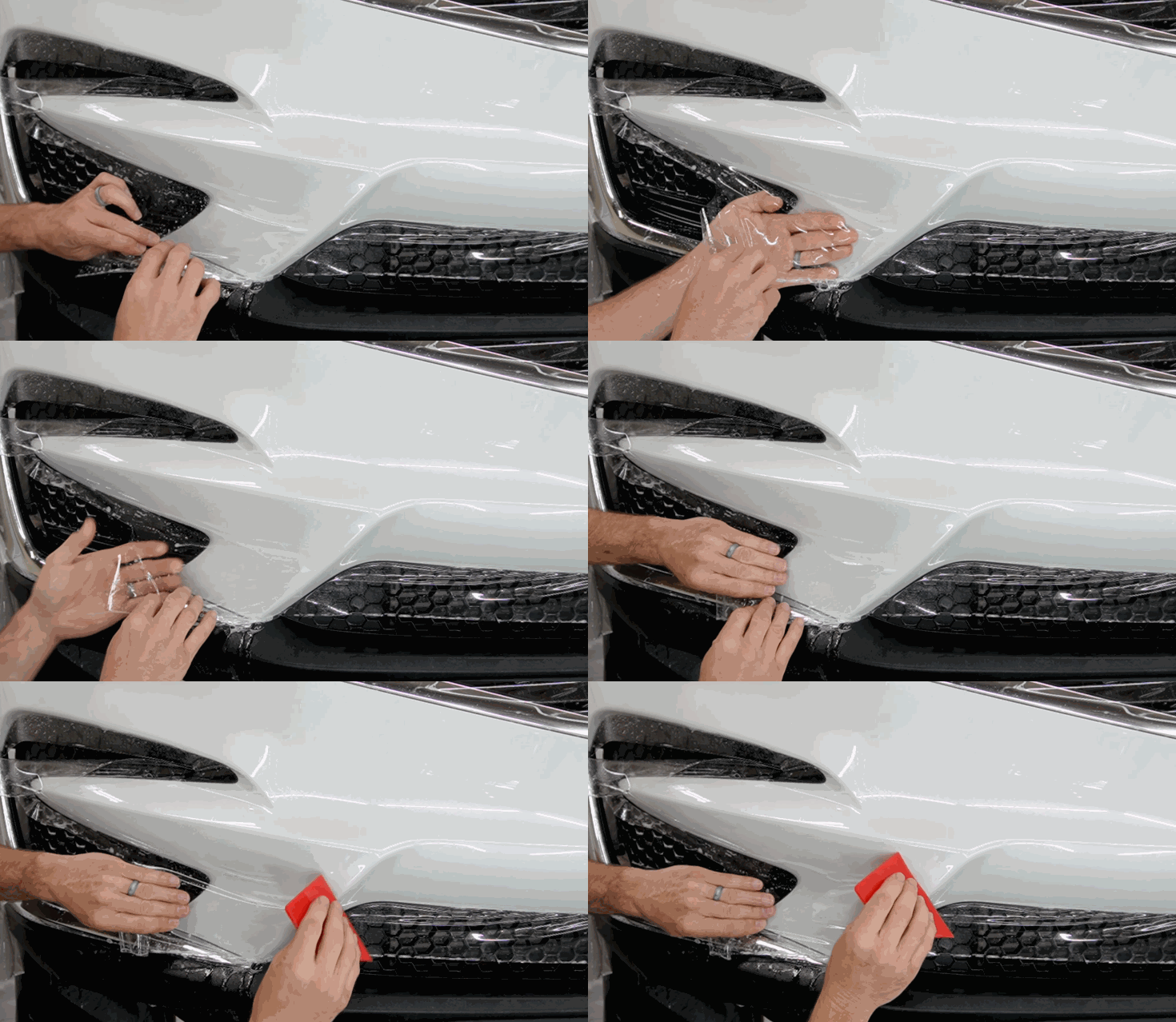
Paint protection film is generally the stronger option when physical protection from Cedar Park roads is the main priority. Highway debris, loose gravel, construction activity, insects, and frequent trips toward Austin create exactly the type of exposure where a protective urethane film has an advantage.
It helps to separate local paint hazards into two categories:
- Rock and gravel impacts: Small debris kicked up on US-183, FM 1431, and other higher-speed roads can chip unprotected paint. PPF provides a physical barrier designed for these impacts.
- Construction debris: Ongoing development can leave loose particles and dust around roadways, increasing exposure for vehicles traveling through affected areas.
- Insects: Bugs striking forward-facing panels can leave stubborn residue, while PPF places a removable protective surface between that contamination and the paint.
- Dust and environmental grime: These contaminants primarily create maintenance concerns rather than impact damage. Neither PPF nor vinyl eliminates the need for proper washing.
- Everyday highway exposure: More mileage means more opportunities for debris to reach the bumper, hood, mirrors, and fenders.
At Blue Ocean Auto, we consider those driving patterns when discussing Cedar Park paint protection. Someone commuting into Austin every weekday may have a stronger case for full-front PPF installation than an owner whose vehicle spends most of its time on lower-speed local roads.
Vinyl wrap can still be the right choice when appearance is the priority. But for highway paint protection against the physical hazards Cedar Park drivers regularly encounter, paint protection film is the material specifically designed for the job.
PPF vs. Vinyl Wrap: How Do Their Benefits Compare?
The better product depends on whether your priority is physical paint protection, visual customization, or some combination of the two. Looking at PPF vs vinyl wrap based on what each material is intended to accomplish makes the choice much easier.
Here's how their practical benefits compare:
- Primary purpose: PPF is designed primarily for paint protection, while vinyl wrap is primarily intended to change a vehicle's appearance.
- Rock chip resistance: One of the strongest PPF benefits is its ability to absorb many minor impacts. Conventional vinyl provides much less protection from rocks and gravel.
- Scratch resistance: PPF offers stronger resistance to light scratches and abrasion. Vinyl can take minor superficial contact but is easier to mark or damage.
- Appearance options: Vinyl wrap benefits include an extensive selection of colors, textures, and finishes. PPF traditionally maintains the factory appearance, although colored and specialty films are also available.
- Self-healing capability: Many modern PPF products can self-heal minor surface marks with heat. Conventional vinyl generally does not offer the same capability.
- Typical use: PPF is commonly installed on high-impact areas or across the entire vehicle for protection. Vinyl is typically selected for color changes, styling, accents, or branding.
Neither material is universally better. PPF makes more sense when preserving the paint is the objective, while vinyl has a clear advantage when customization is the priority. The right answer comes from matching the product to what you actually want it to accomplish.
Can You Combine Paint Protection Film and Vinyl Wrap?
Yes, paint protection film and vinyl wrap can sometimes be combined when an owner wants visual customization along with additional physical protection. However, combining the materials requires more planning than simply installing one film directly over another.
The correct approach depends on the desired appearance, the specific films being used, which panels need protection, and the condition of the underlying paint. In some applications, an owner may want PPF over vinyl wrap on particularly vulnerable areas. Other projects may call for a different installation strategy based on the materials and coverage goals.
Compatibility also matters. Adhesives, finishes, film thicknesses, edges, and future removal all need to be considered before layering automotive films. What works well for one combination of products may not be the best approach for another.
At Blue Ocean Auto, we'd rather plan vinyl wrap and PPF as one complete project than automatically recommend using both. A professional assessment allows us to look at the paint, understand the desired finish, identify high-impact areas, and determine whether combining materials genuinely improves the result.
For owners interested in custom vehicle protection, that planning is important. Using two products only makes sense when each one has a clear job and the installation strategy allows both materials to perform properly.
Which Areas Benefit Most From Paint Protection Film?
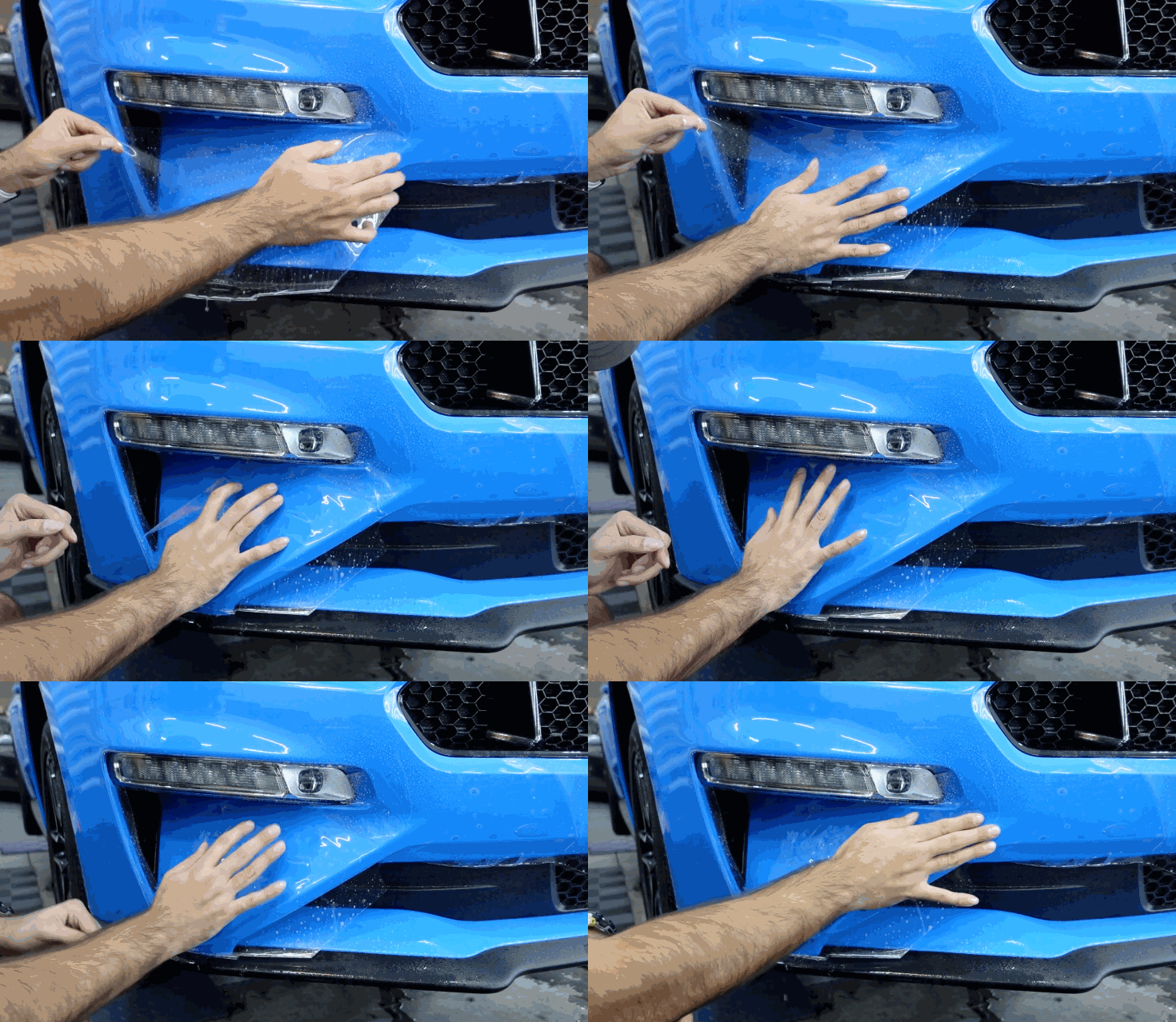
Forward-facing and lower-body panels generally benefit most from paint protection film because they receive the greatest concentration of gravel, road debris, insects, and tire-thrown material. Targeting these high-impact areas can provide substantial protection without requiring full-body coverage.
Front Bumper and Hood
The front bumper and hood are directly exposed to debris coming from vehicles ahead. For Cedar Park drivers accumulating regular highway mileage, these panels are often the first places where small chips begin appearing.
Full front PPF can protect these surfaces along with other vulnerable front-end panels, creating broader coverage for vehicles that spend significant time at highway speeds.
Front Fenders and Mirrors
Front fenders sit close to the vehicle's leading edge, while mirrors project outward into passing debris. Both can accumulate small chips that become increasingly noticeable as mileage increases.
Including these panels creates more consistent front-end PPF coverage instead of protecting only the bumper or a portion of the hood.
Rocker Panels and Lower Doors
Not every threat comes from ahead. Tires continuously throw grit, gravel, and other road material toward the lower portions of the vehicle. Certain body designs and wheel setups make rocker panels and lower doors particularly vulnerable.
Partial PPF can therefore be highly effective when coverage is selected strategically. Owners who know where their vehicle takes the most abuse can protect those surfaces without automatically paying for film on lower-risk panels.
Is PPF or Vinyl Wrap the Better Value for Your Vehicle?
Value depends on what you expect the material to accomplish, not simply which option has the lower PPF cost or vinyl wrap cost. Paying for protection when you primarily want customization, or paying for customization when you really need impact resistance, can leave you dissatisfied regardless of price.
PPF may provide stronger long-term value for a newer or well-maintained vehicle when preserving original paint is a priority. Owners who drive significant mileage, encounter frequent highway debris, park in exposed environments, or plan to keep their vehicles for years may place greater value on long-term paint protection.
Vinyl wrap has a different value proposition. If you want to transform a vehicle's color or finish without committing to repainting it, vinyl can deliver a dramatic visual change while leaving the original paint underneath. For that owner, paying primarily for impact resistance may not make sense.
Paint condition should also influence the decision. Neither product should be viewed as a way to hide serious paint problems without first evaluating the surface. Vehicle age, mileage, ownership plans, parking conditions, and budget all help determine which investment is more logical.
The best value is therefore personal. Spending more doesn't automatically produce a better decision. The better investment is the material that solves the problem you actually want solved.
Conclusion: Should You Choose PPF or Vinyl Wrap in Cedar Park?
Paint protection film is the better choice when maximum physical paint protection is your priority, while vinyl wrap generally makes more sense when you primarily want to change the vehicle's appearance. Cedar Park drivers should make that decision based on their actual needs rather than treating the two films as interchangeable.
Local driving conditions deserve consideration. Frequent highway mileage, construction exposure, loose road debris, and regular trips toward Austin can make PPF particularly useful for protecting vulnerable paint. Meanwhile, an owner primarily interested in a new color, finish, or styling direction may get considerably more value from vinyl.
Full-body protection isn't mandatory either. Targeted PPF on the bumper, hood, fenders, mirrors, or other high-impact areas may provide exactly the level of protection a particular vehicle needs.
At Blue Ocean Auto, we can evaluate your vehicle, paint condition, driving habits, and goals before recommending a solution.
Contact us today for a personalized vehicle assessment in Cedar Park, and we'll help determine whether paint protection film, vinyl wrap, or a carefully planned combination makes sense for your car.
Ultimately, the best material isn't the one with the longest list of features. It's the one designed to solve the specific problem you want to address while fitting the way you use and care for your vehicle.
Blue Ocean Auto Spa
5.0 ⭐⭐⭐⭐⭐ 226 Google reviews
Car detailing service in Cedar Park, Texas
Address:
1001 Doris Ln, Cedar Park, TX 78613, United States
Phone: +1 512-496-4296