Professional PPF Installation in Cedar Park, TX: How to Avoid Costly Mistakes
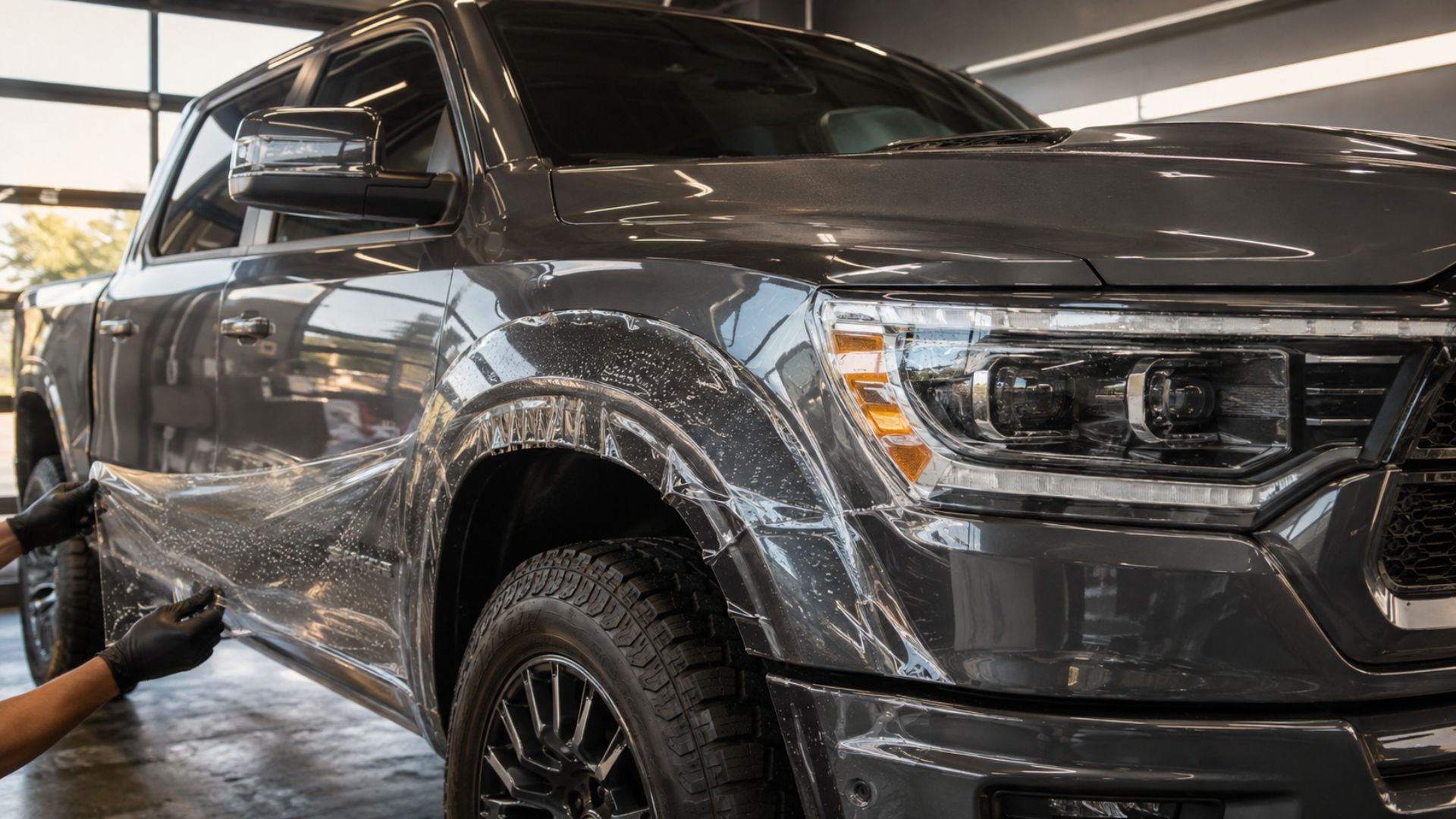
Professional PPF installation helps avoid costly mistakes by ensuring the film is properly fitted, the paint is thoroughly prepared, and edges, curves, and complex panels are handled correctly. For Cedar Park drivers, a careful paint protection film installation can mean the difference between long-lasting protection and problems such as contamination, lifting edges, visible seams, or premature replacement.
Why Does Professional PPF Installation Matter?
Professional PPF installation matters because even high-quality paint protection film can perform poorly when the surface preparation, pattern fit, film positioning, or finishing work is incorrect. PPF is a protective material, but its final appearance and durability depend heavily on the quality of the installation.
From an installer's perspective, the film itself is only part of the equation. We also have to evaluate the paint, remove contamination, understand the shape of each panel, position the material accurately, manage stretch, and make sure vulnerable edges are handled appropriately. Small shortcuts during any of these stages can become noticeable later.
That matters even more when you're paying for extensive coverage. A full front PPF package may include the bumper, hood, fenders, and mirrors. Full-body coverage raises the stakes further because nearly every painted exterior panel becomes part of the installation.
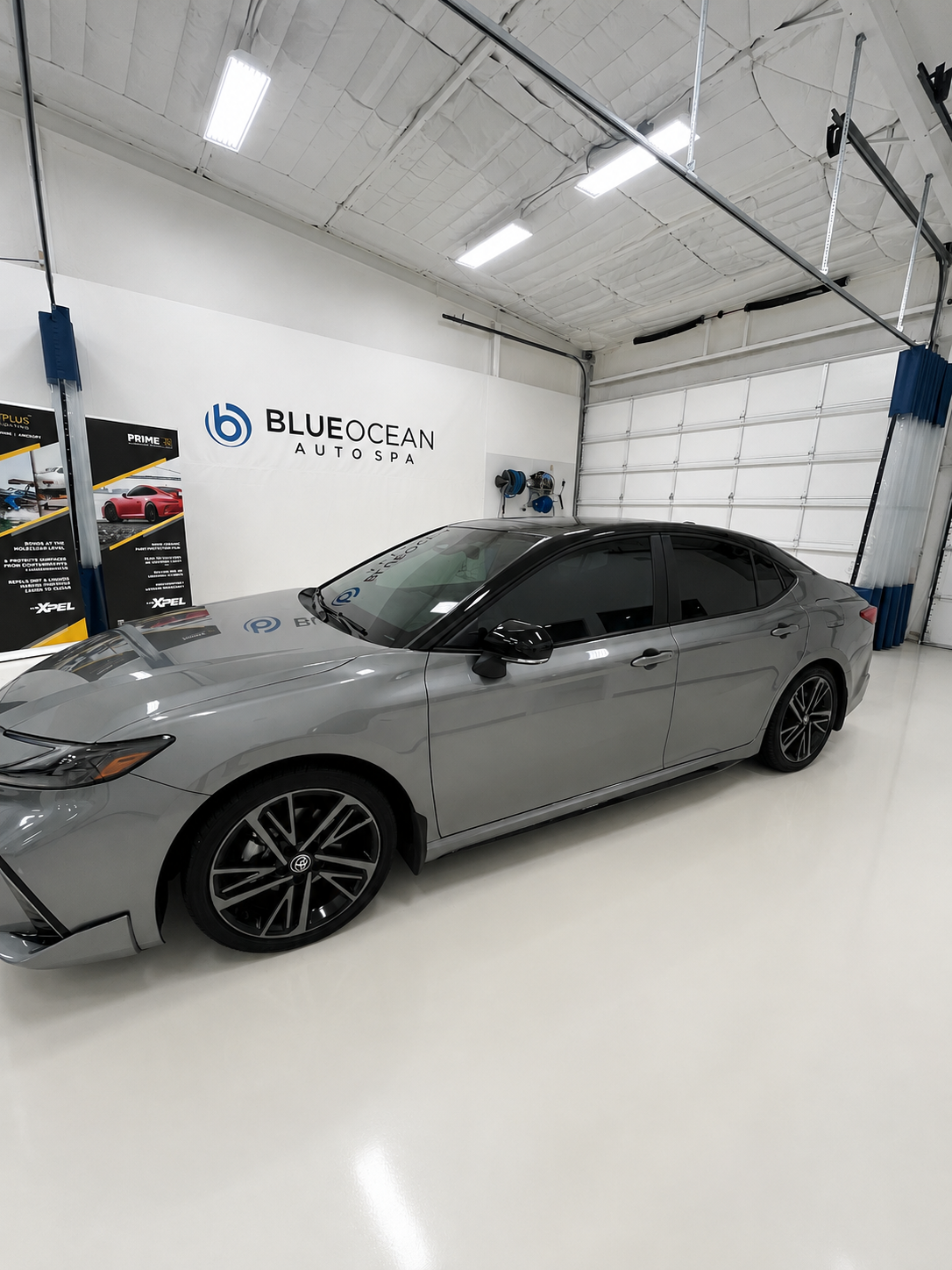
At Blue Ocean Auto, we treat PPF as a complete paint protection process rather than simply applying film to a vehicle. The goal is for the coverage to protect the surfaces that need it while maintaining the clean appearance that made you want to preserve the paint in the first place.
What Are the Most Common PPF Installation Mistakes?
The most common PPF installation mistakes include inadequate surface preparation, trapped contamination, excessive stretching, poorly positioned patterns, exposed edges, and rushed finishing work. Some problems appear immediately, while others become noticeable after the vehicle has been driven and the film has had time to settle.
Several mistakes can turn an otherwise good product into an expensive frustration:
- Installing over contamination: Dirt, dust, hair, or other particles trapped beneath the film can create visible imperfections that cannot simply be washed away.
- Skipping proper paint preparation: Applying PPF over bonded contaminants or untreated paint defects can preserve those problems underneath the film.
- Overstretching the material: Excessive tension can distort the film and place unnecessary stress around curves, edges, and recessed areas.
- Poor pattern alignment: Incorrect positioning can create awkward gaps, inconsistent coverage, or unnecessary seams.
- Neglecting edges and corners: Areas that are not properly finished may become more vulnerable to lifting over time.
- Rushing post-installation inspection: Small concerns are easier to address before the vehicle leaves than after dirt and regular driving enter the equation.
Professional installation does not mean promising absolute visual perfection under every possible lighting condition. PPF is a physical film installed over three-dimensional bodywork. What professional workmanship should provide is controlled preparation, accurate placement, appropriate finishing, and careful quality control.
Those details are particularly important because correcting a poor installation may require removing and replacing film. Avoiding the mistake initially is usually far preferable to paying for the same panel twice.
Why Is Paint Preparation So Important Before Installing PPF?
Paint preparation is critical because paint protection film conforms closely to the surface underneath it. Contamination, residue, water spots, or existing paint defects can affect the finished appearance, and covering them with PPF does not make them disappear.
A vehicle should therefore be evaluated based on its actual condition rather than its age. Even a brand-new car can arrive with adhesive residue, transportation contamination, light scratches, or other imperfections. An older vehicle may need considerably more preparation before film installation.
Cleaning Comes First
The exterior needs to be thoroughly cleaned so dirt and loose contamination are removed before installation begins. Areas around badges, trim, panel edges, and other tight spaces deserve attention because hidden debris can migrate into the installation area.
Decontamination Addresses What Washing Leaves Behind
Some contamination bonds to the paint and remains after a normal wash. Proper decontamination creates a cleaner, smoother surface for the PPF installation.
Paint Correction Is Considered When Necessary
Not every vehicle requires extensive paint correction before PPF. However, scratches, oxidation, or other visible defects should be evaluated before covering the panel. Once clear film is installed, imperfections underneath may remain visible.
For Blue Ocean Auto, preparation is one of the stages we refuse to treat as an afterthought. Cedar Park vehicles can accumulate road film, insects, dust, pollen, and other contamination from everyday use, so the condition of the paint needs to be understood before installation begins.
Can Poor PPF Installation Damage Your Vehicle or Cost More Later?
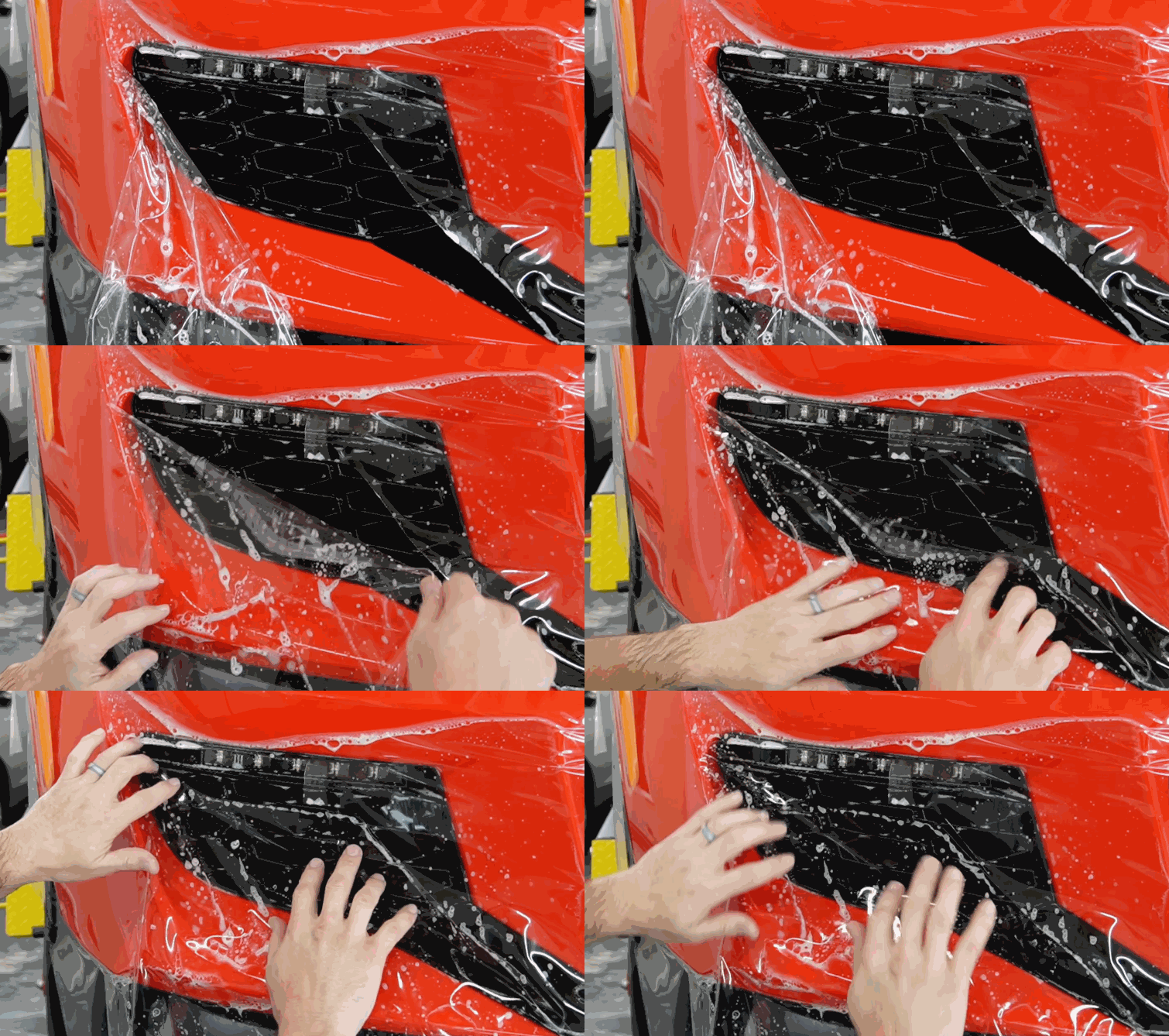
Poor PPF installation can create unnecessary costs through premature film replacement, additional correction work, or an installation that fails to provide the coverage you expected. The risk isn't simply that the film looks imperfect on day one.
Imagine paying to protect a hood from rock chips only to discover that the coverage stops farther from an edge than expected. Or consider a bumper installation where excessive tension eventually contributes to lifting around a difficult contour. Fixing those problems may require removing film and installing a new piece.
Improper removal techniques can create additional concerns, particularly when the underlying paint has been previously repaired or repainted. That is another reason an installer should inspect the vehicle and ask about known bodywork before beginning.
A quality installation should also account for what happens after the car leaves the shop. Edges need to remain secure, the film needs time to settle and cure, and the owner should understand basic aftercare. Protecting the investment means thinking beyond the installation day itself.
How Do Cedar Park Driving Conditions Affect PPF Coverage?
Cedar Park driving conditions make front-end and other high-impact PPF coverage particularly relevant because highway speeds, construction activity, loose debris, and regular travel toward Austin can repeatedly expose paint to physical impacts. The appropriate coverage depends on where and how often the vehicle is driven.
US-183 is a good example. Regular highway travel puts the bumper, hood, fenders, and mirrors in the path of debris thrown by vehicles ahead. FM 1431 and areas experiencing development or roadwork can add exposure to gravel, dust, and loose material.
Not every Cedar Park vehicle needs identical coverage, though. A car accumulating substantial highway mileage may justify a full front PPF package. A truck with wider tires or exposed lower bodywork might benefit from rocker panel or lower-door protection in addition to the front end. A weekend vehicle driven selectively can have a completely different risk profile.
This is why we prefer to think about PPF coverage in terms of exposure rather than package size. The most expensive option isn't automatically the smartest one. Good protection starts by identifying which panels are actually taking the abuse and installing film where it can provide meaningful value.
What Should You Look for in a Professional PPF Installer?
A professional PPF installer should combine installation experience, careful preparation, a controlled work environment, quality film, and a clear process for inspecting the finished vehicle. The goal isn't simply to find someone who installs paint protection film, but someone who understands how to adapt the installation to different vehicles and coverage areas.
When evaluating an installer, pay attention to a few practical details:
- Installation experience: Bumpers, mirrors, hoods, fenders, rocker panels, and other complex surfaces require different techniques.
- Paint inspection: The installer should evaluate the finish before covering it rather than assuming every vehicle is immediately ready for PPF.
- Clean installation conditions: Controlling dust, dirt, and other contamination is important when applying transparent film.
- Coverage planning: Ask exactly which panels and areas are included so you understand what will remain exposed.
- Film quality and warranty: Product quality matters, but the installer should also be able to clearly explain what the warranty covers.
- Quality control: A completed installation should be inspected for edges, alignment, contamination, adhesion, and other workmanship concerns.
At Blue Ocean Auto, we also believe the conversation before installation matters. Knowing whether you commute toward Austin every day, spend most of your time around Cedar Park, drive a truck through construction-heavy areas, or simply want to preserve a new vehicle helps us recommend coverage based on actual use.
A good installer should be willing to explain why certain panels deserve protection instead of automatically pushing the largest package available.
Is Full-Front PPF Better Than Partial Coverage?
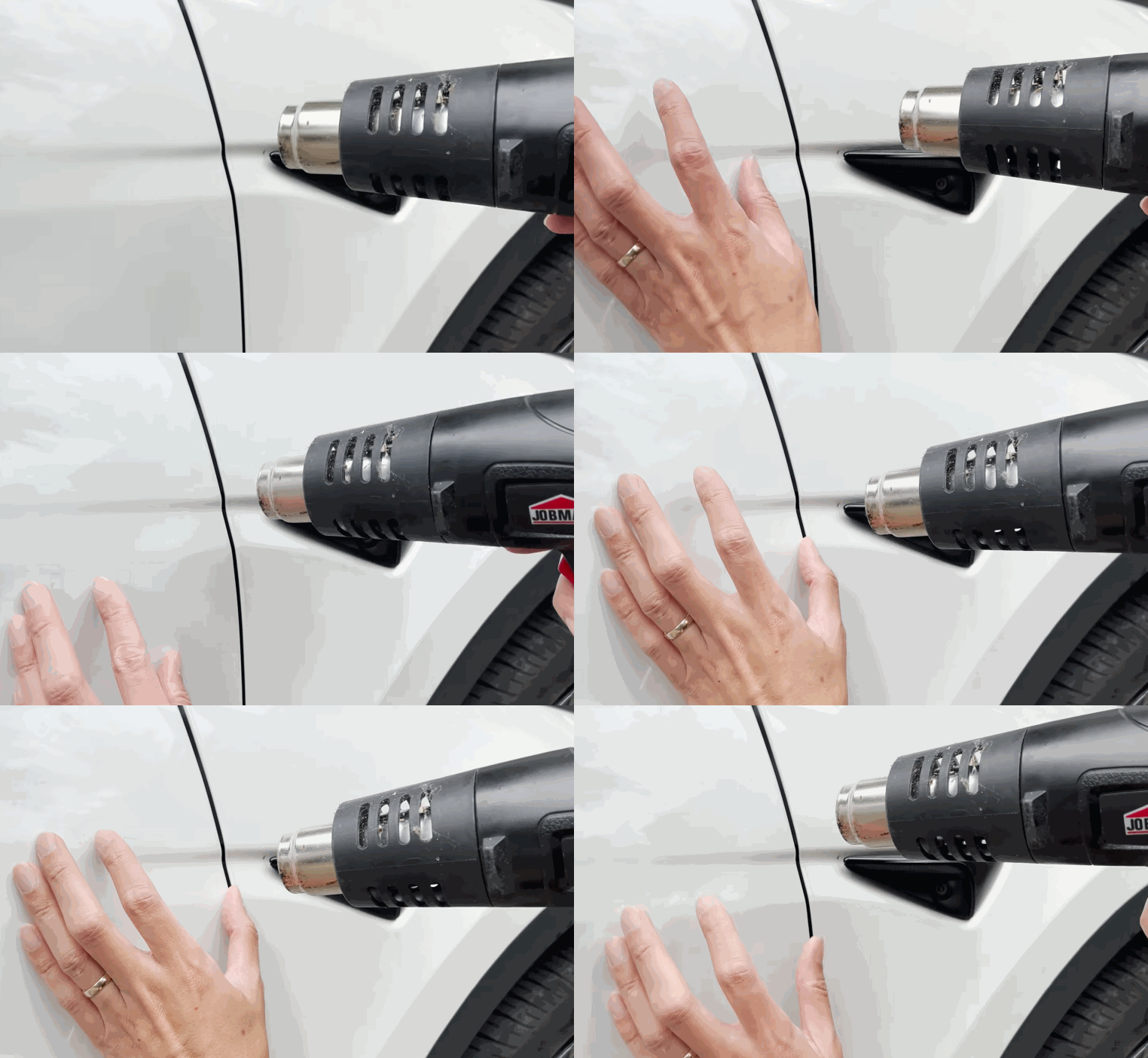
Full-front PPF generally provides more complete protection against front-end road debris, but partial coverage can still make sense when the owner's budget or exposure does not justify protecting every forward-facing panel. The right choice depends on how much unprotected paint you're comfortable leaving exposed.
A typical full-front package protects areas such as the bumper, full hood, front fenders, and mirrors. That creates continuous protection across many of the surfaces most likely to encounter debris during highway driving.
Partial PPF takes a more selective approach. It may focus on the bumper and a portion of the hood or other specific high-impact areas. This reduces the amount of film required while still protecting surfaces that frequently receive rock chips.
There is a visual consideration as well. Depending on the package and vehicle, partial coverage can introduce a film transition across a painted panel. Owners who are particularly sensitive to visible lines may prefer full-panel coverage.
For someone regularly traveling US-183 or commuting between Cedar Park and Austin, broader front-end protection can be easier to justify because exposure accumulates with mileage. For a lower-mileage vehicle, targeted protection may be perfectly reasonable.
Can You Install PPF Yourself to Save Money?
DIY PPF installation can reduce the initial labor cost, but complex panels and limited installation experience can quickly turn those savings into wasted material. Large hoods, curved bumpers, mirrors, recessed areas, and panel edges require considerably more control than applying film to a simple flat surface.
The difficulty is not limited to positioning the film. The surface must be properly prepared, contamination controlled, slip and tack managed, and the material worked around curves without creating excessive tension.
A mistake on a small practice piece may be manageable. A mistake halfway through an expensive hood or bumper installation is different. Once the material becomes contaminated, creased, overstretched, or incorrectly positioned, replacing that piece may be the only practical solution.
Professional paint protection film installation therefore adds value beyond convenience. You're paying for the preparation, material handling, pattern fitting, finishing, and quality control that help the film perform as intended. For owners investing in substantial coverage, avoiding preventable replacement can matter more than minimizing the initial labor charge.
How Can You Tell if PPF Was Installed Correctly?
A properly installed PPF package should look clean and consistent, with secure edges, appropriate alignment, minimal contamination, and film that follows the vehicle's contours naturally. Some moisture or temporary installation-related appearance changes can occur during the curing period, so the film should not always be judged immediately after installation.
Look at the Overall Finish
From normal viewing distances, quality paint protection film should preserve the appearance of the vehicle rather than drawing attention to itself. Clear film should maintain good optical clarity across the protected panels.
Inspect Edges and Complex Areas
Corners, curves, bumper openings, mirrors, and panel edges deserve closer attention. Film should appear intentionally positioned and securely finished rather than excessively stretched or poorly aligned.
Allow the Film to Settle
Fresh PPF needs time to dry and settle. Small moisture pockets or haziness immediately after installation may change as the remaining installation solution evaporates. Picking at edges or aggressively pressing temporary imperfections can create problems that weren't there originally.
At Blue Ocean Auto, final inspection is part of professional PPF installation, but proper aftercare also matters once the vehicle goes home. Owners should follow the recommended curing period and maintenance instructions rather than treating freshly installed film exactly like an established surface.
Good workmanship is about more than how the film looks under shop lighting. The installation needs to remain clean, secure, and functional once the vehicle returns to everyday Cedar Park driving.
Is Professional PPF Installation Worth It in Cedar Park?
Professional PPF installation can be worth the investment for Cedar Park drivers who care about preserving their vehicle's paint and regularly encounter conditions that create chips, scratches, and abrasion. Its value increases when the vehicle is newer, driven frequently, or expected to remain in the owner's possession for years.
That does not mean every vehicle needs full-body paint protection film. A daily commuter may receive most of the practical benefit from protecting the full front and another particularly vulnerable area. A specialty or enthusiast vehicle may justify considerably broader coverage.
The decision becomes easier when you compare the cost of protection with what you're trying to preserve. Consider annual mileage, existing paint condition, highway exposure, how long you plan to own the vehicle, and how much cosmetic wear bothers you. Those factors matter more than simply choosing the largest available PPF package.
Professional installation also reduces the risk of paying twice because of preventable workmanship mistakes. When you're already investing in quality film, careful preparation and installation are part of protecting that investment.
Professional PPF Installation Starts With the Right Plan
Avoiding costly PPF mistakes starts before the first piece of film touches the vehicle. Paint condition, panel geometry, driving habits, coverage selection, surface preparation, installation technique, and final inspection all influence the finished result.
For Cedar Park drivers, the smartest coverage often reflects actual exposure. Frequent highway travel may make the bumper, hood, fenders, and mirrors priorities, while certain trucks and SUVs can benefit from additional protection along rocker panels, lower doors, or other impact-prone areas.
At Blue Ocean Auto, we can inspect your vehicle and help determine which paint protection film coverage makes sense for the way you actually drive. Contact us today to discuss professional PPF installation in Cedar Park, TX, and build a protection plan around your vehicle rather than paying for coverage you don't need or correcting installation mistakes later.
The objective isn't simply to put more film on the car. It's to install the right coverage correctly so the PPF can protect the paint where it matters most.
Blue Ocean Auto Spa
5.0 ⭐⭐⭐⭐⭐ 226 Google reviews
Car detailing service in Cedar Park, Texas
Address:
1001 Doris Ln, Cedar Park, TX 78613, United States
Phone: +1 512-496-4296